 8 min read
 8 min read
Berlin's history breathes through the asphalt, I think, as I walk along the sidewalk made of tiles on Oranienburger Straße. On the way to Art House Tacheles In 2006, I encountered women here who wore short dresses and Moon Boots. Since then, I have associated the brand name of the best-selling products for warm feet with these prostitutes waiting in the cold on Plattenbürgersteig, which had been relocated to the entrance to Tacheles during East Berlin days (or even earlier). There, on the walls behind the entrance door, graffiti overlapped in dim light, which led from the steel courtyard into an artists’ factory along an endlessly long concrete staircase. The nocturnal music in the typical sound of autonomous projects, bodies packed tightly together, and smoking was heard.
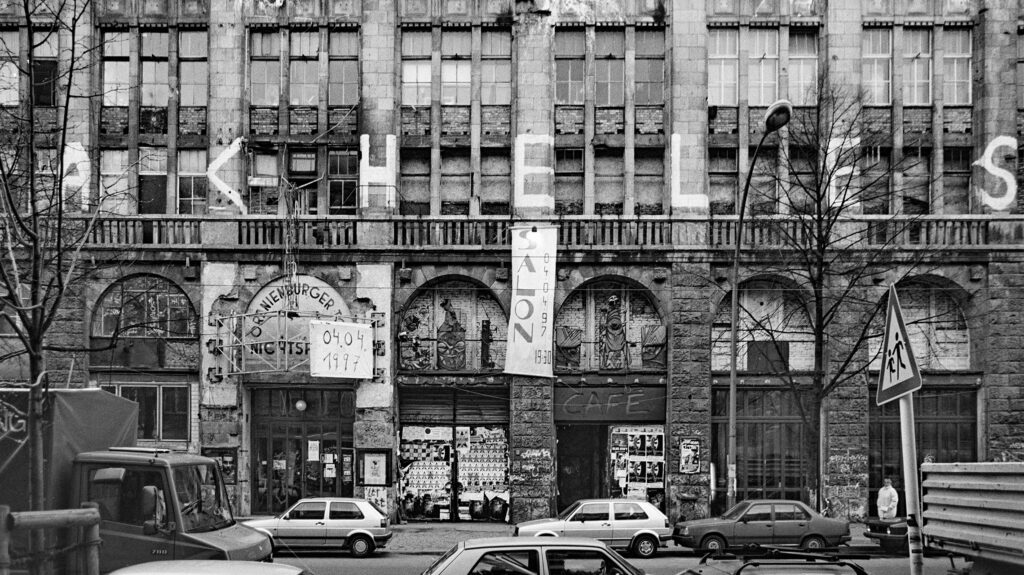
The Tacheles lived as an art and event center between 1990 and 2012 in a former department store in Oranienburger Straße, which had opened in 1909 as the Friedrichstraße Passage. In the 1920s the building was used by AEG; during the Nazi era it served political administration. In the Soviet occupation zone, then also in the GDR, the complex housed, among other things, the Free German Trade Union and over many years also a cinema that bore the name Camera traded. After partial demolition of the building in 1980 and a planned demolition of the remaining structures, it was occupied at the beginning of 1990 by Artistic initiative Tacheles the remaining areas of the house and the restored building permit, to place this place under protection as a monument and to preserve it. Through the Tacheles e. V. Over time, the house in Mitte, Berlin, developed into a center for art, events, and exchange, with numerous artist’s studios, workshops, a venue for the free theater scene, and a restaurant: a name that itself indicates this: Speaking with authority is the Yiddish term for speaking openly and clearly.
But already after an investor group had acquired the property at the end of the 1990s, a lease agreement with the new owner had to be negotiated, the expiration of which in 2009 led to the club’s insolvency and the subsequent eviction – until the Kunsthaus Tacheles in the autumn of 2012 came to an end in the Oranienburger Straße. The site was sold in 2014 to a New York investor who underwent a major renovation of the building complex. The former artist’s house was converted into a Photographic, The museum chain for international photography founded in Sweden, whose Berlin branch will be opening in the autumn of 2023 during the Berlin Art Week opened.
A year later, on a grey November day in Berlin, I stand in front of the brightly lit, large windows, which on the left side reveal a spacious café and on the right the vast museum shop. Photographic Store.
To put it bluntly: Anyone who stays in hotel chains like 25hours Hotels It feels comfortable, is in Fotografiska Berlin – The Contemporary Museum of Photography, Art & Culture Exactly right. Because the promise of the house, which is emblazoned on a poster next to the entrance door and advertises that this is (m)a destination for "Art, Dining, History, Community, Photography, Creativity, Shopping, Dinks, Music", is tangible in the institution's reception hall. A small counter where the necessary procedures for entry are carried out stands out against the spacious store, and seems almost insignificant through the atmospheric soundscape of the café. The fact that one can view art in the house appears secondary at first glance in the entrance hall. The journey up the five floors of the house, three of which serve as exhibition space, then becomes familiar, because it leads through the preserved staircase of the former Künstlerhaus Tacheles. Here you can still see the graffiti on the walls and the paint marks on the concrete surfaces – now interspersed with a light column that extends from the floor to the ceiling of the staircase.
The building complex was designed by a Swiss architectural firm. Herzog & de Meuron renovated. The association with a hotel, the long dark corridors, the sporadically placed spotlights, the recurring spatial elements such as doors or the proximity between the exhibition area and the restaurant, bar or conference room all point to the connection with the chairman of the Fotografiska museum group, Yoram Roth. The native Berliner cultural entrepreneur, who studied photography in New York in 1990 and subsequently founded a techno label in Berlin, comes from a family that invested in real estate, which included running hotels. Roth, who has been living in Berlin again since 2007 after a long stay in the USA, has made several investments in the city’s art and cultural sector, including the one located in the neighborhood Clärchen's Ballhaus It matters. Creative industry, nightlife, media, music and photography: Roth’s biography reads like a mirror of the words that welcomed me at the poster in the outdoor gallery at the Berlin Morgenpost, and it makes sense that Roth – whom the Berliner Morgenpost described last year as the "Steve Jobs of culture" – has been running the Fotografiska museum group since 2017. Fotografiska was founded in Stockholm by Jan and Per Broman together with financier Sven Hagströmer and opened there in 2010 with an exhibition featuring works by Annie Leibovitz, Lennart Nilsson, Vee Speers, Joel-Peter Witkin and others. Thanks to Roth’s involvement, the company has now established locations in Tallinn, New York City (both since 2019) as well as in Berlin and Shanghai (both since 2023), and Roth is promoting the international exhibition house as the largest museum of photography in the world, having shown every major photographer and every major female photographer in recent years.
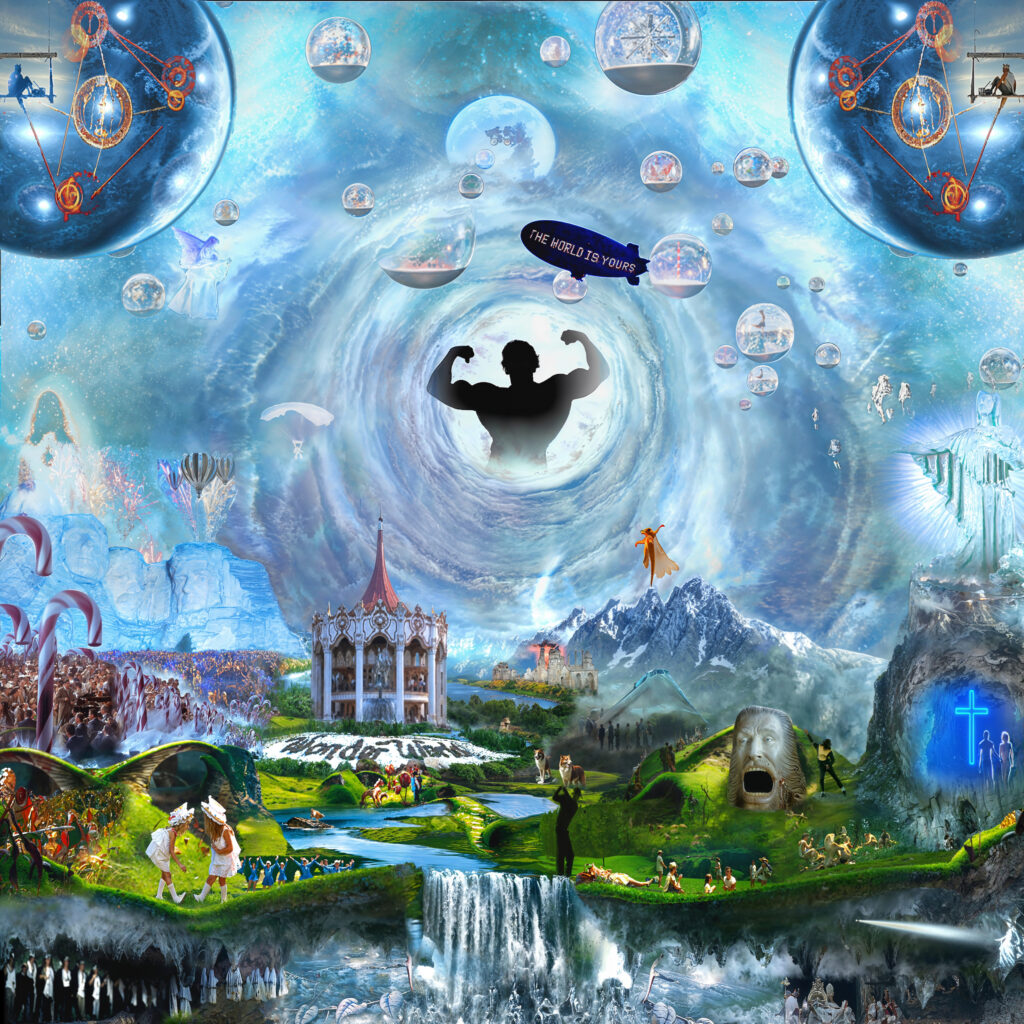
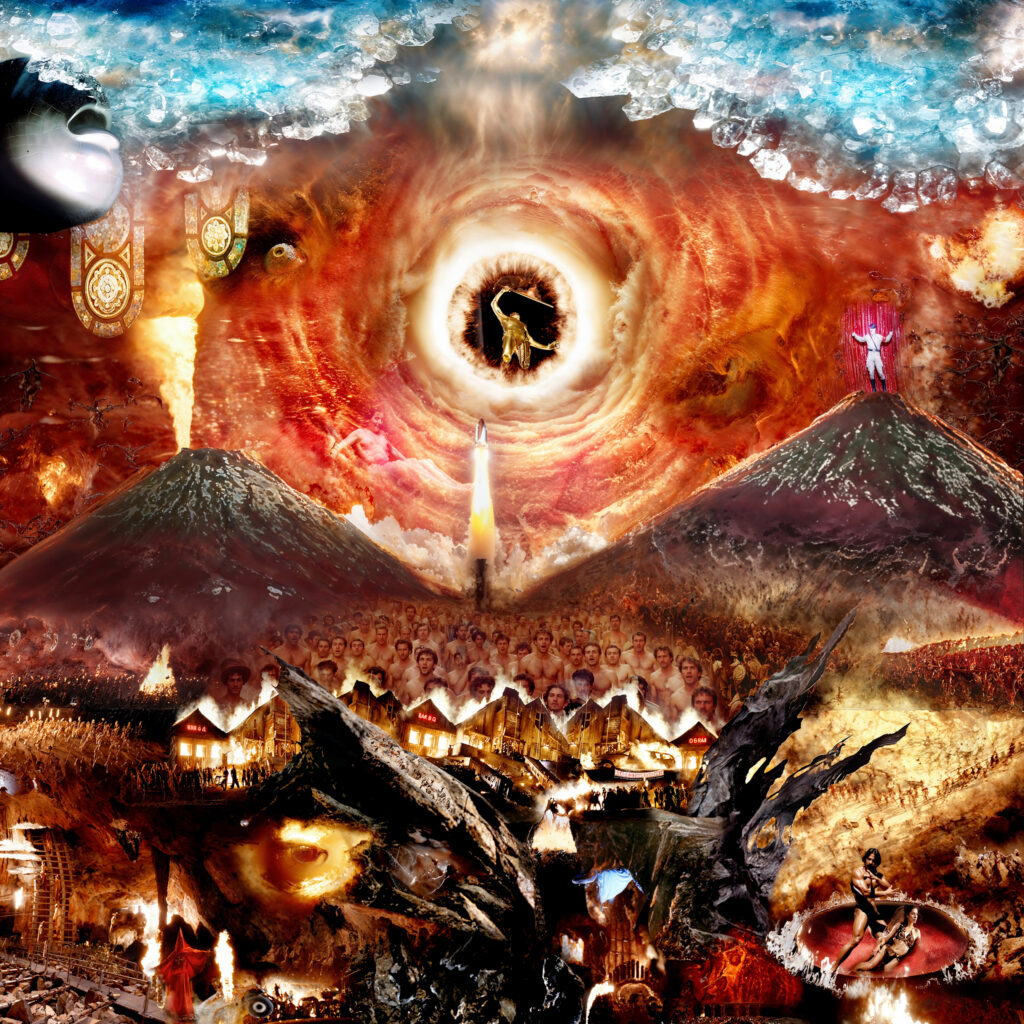
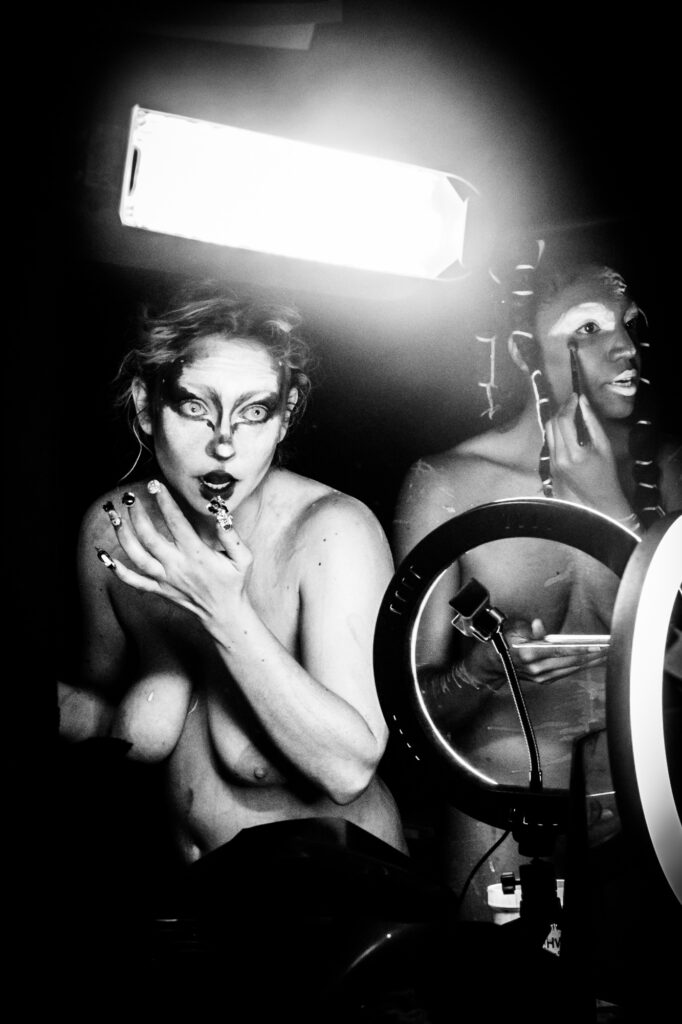
In Berlin, however, the impression I get when exploring the house is that in-depth art appreciation is a minor matter. The exhibition spaces, the moving image and the photographic images are so dark that it is fundamentally difficult for me to move around safely. So at the end of a longer photographic series, a flat screen protrudes so abruptly into the room that I am glad to have comprehensive insurance – only a few centimeters from the housing of the screen. In another exhibition room, historical videos are barely or not at all visible or audible, as the sound art presented in the exhibition is so intertwined from two different directions that any sound in a kind of chaos. White Noise It's blurred. I think of Guy Debord and his main work, written in 1967 The Society of the SpectacleThe spectacle is the capital that becomes the image. I am far from being naive in my perception when Yousef Hammoudah, appointed as Executive Director of the Berlin-based Fotografiska last year, stated in an interview with GQ magazine that this is a place "where all life is allowed to enter the museum". Thus, social events, including the necessary logistics, the personnel on hand, and the accidental doors that open right next to the open exhibition spaces, become part of the art experience on offer here, which can be enjoyed daily between 10 and 23 hours.
At Fotografiska, works of art are not conserved or researched, as in state-funded museums. This house operates from its private funding and accordingly from its independence – yet it wants to be much more than just an exhibition venue, lifestyle and gastronomy venue with halls for private dinners and parties.
I let my impressions settle with a vegan meal featuring homemade lemonade at the café on the ground floor. The furniture is custom-made. Studio Aisslinger, The equipment in the open kitchen is of high quality. The staff and the clientele are international. After only a few moments, the feeling of being in Berlin is gone. The card reader charges 20 percent initially for the tip, then 50 percent, and it feels like I’m in New York City—and I’m acting according to American tax regulations. goodwill.
I linger on the way to the exit Photographic Store. Because it’s all about an "immersive shopping experience," as the press release for the shop states, I opt for immersion—the pure experience—and leave the shopping to the next person. In front of the house, a woman in moon boots approaches me and looks at the store’s window for a long time. Some things will never change.
The Kunstmuseen Krefeld are dedicating the first retrospective in Germany to Charlotte Perriand’s multifaceted and astonishingly contemporary work.
 7 min read
World Heritage Site Völklinger Hütte: Spectacular Son-et-Lumière Art
 1 min read
The exhibition "Six Five Four Three Two" featuring works by the New York-based artist Josephine Meckseper at the Heppenheim Art Society.
 9 min read