
 6 min read
 6 min read
Colors draw their circles on canvas, are loud and sometimes quiet, red, yellow and blue on black or white ground. Like eyes enclosed in balls that seem to protect against the evil gaze, or as circular spots covering the canvas, like buds of flowers emerging from the surrounding image space. These are images that appear before the inner eye, shortly before falling asleep, as soon as the light has gone out, but the thoughts begin to glow, internally. Similarly, they are the precursors of a dream yet to be dreamed. In this way, they resemble a frenzied primordial chaos, when jumbled forms fly across the canvas, stumbling over one another, only to prove themselves in the interplay and unite into the right balance for a harmonious symphony.

Last year, Ernst-Wilhelm Nay (1902–1968), one of the most important artists of post-war modernism, would have turned 120 years old. The anniversary occasion provided the impetus for a major retrospective that is currently on view at the Duisburger Museum Küppersmühle after stops at the Hamburger Kunsthalle and the Museum Wiesbaden. However, the Duisburger exhibition differs noticeably from the other two, as eleven paintings from the artist’s own collection are included and other works, such as watercolors, are excluded. Furthermore, although the exhibition is chronologically structured, it does not begin with the early works as usual but starts with the later work, leaving the museum to gradually take the visitors through Nay’s creative phases. Only at the end of the tour do those interested get to see the artist’s little-known figurative early work.
White animal skulls, shining like moonbeams in the darkness, indicating light from the darkness, with framed eyes, pupils cast like precious stones. They remind us of Picasso’s bulls, when the animals rest on a geometrically intertwined formbed. Looking out of hollow eyes, their mortality seems to flash through their fleshly shell, pushing itself to the surface to emerge. Alongside them in a multicolored array, a wild swirl of colors, man returns to nature. As a fisherman one with the tides, a life determined by ebb and flow. Man becomes a simplified sign on a lonely rocky plain when cold frozen rock spikes reach up into the sky, hitting bright against dark blue.
Such early figurative animal studies, landscapes and portraits show a searching Nay, from whose paintings the forms of other artists such as Matisse or the Cubists can still be heard and which only gradually establish their own language. Oriented towards late Expressionism, they form the starting point for the abstract works of art. For in the early paintings the initial interaction between color and form is already perceptible; the horned animals and the sailors seem to sink into their surroundings as if they were entering a realm beyond human perception, as if they were connected to cosmic forces. Already in these unusually figurative works of Nay, the color gradually breaks away from the form, flows into the surrounding pictorial space, and subsequent reduction is already included.
With the rise to power of the National Socialists, Nay was initially barred from exhibiting his work, was publicly vilified in the propaganda exhibition "Degenerate Art", but remained a member of the Reich Chamber of Fine Arts, which enabled him to receive materials and subsidies. Through his network, he was able to travel to the Lofoten Islands in Norway twice, including with Edvard Munch. Here the development within his paintings continues; the people are now reduced to simple symbols. During his military service from December 1939 to May 1945, stationed in Schwerin and subsequently in Southern France, the artistic work became increasingly difficult; it was only from 1942, as a map designer in Le Mans, that Nay was able to paint again. The paintings from this period appear strangely idyllic; they show people harvesting apples or scenes from a family. But on closer inspection it seems as if the landscape is ablaze in swirling shapes, the void staring back at us with black, bulbous eyes.
After the war, Nay moved to Hofheim am Taunus at the invitation of Hanna Bekker, drawing inspiration from biblical stories and Greek mythology. Here, his contours become sharper, the colors gain brightness, and they culminate in the "Fugal Paintings" created since 1949. Inspired by fugue as a specific compositional form in music, the colors are applied at different times, but they eventually sound simultaneously. Each color tone resonates with a specific nuance, which is subsequently integrated into the overall composition. By circling black dots, the paintings are arranged in bands and swirls, rhythmically punctuated by a figurative action that cannot be fully deciphered any longer. And yet, the serenity of figures from the chaos flashes through, a hand from the background of the image reaches out, a pupil widens in fear, a laughing face emerges and disappears as quickly as it came. A musical vibration sets the rigid image structure in motion, rich in color tones, full of life.
Five phases traverse the visitors during their walk through the exhibition. Upon entering and leaving the exhibition, the typical abstract compositions for Nay are found; these are "rhythmic images" that were created after the move to Cologne in 1951 and reflect the vibrant activity of the big city. In his "discs" and "eye images," Nay also addresses physical phenomena. Building on the "fugal images," a choreography of colors emerges, whose subtly nuanced contrasts stir the discs optically.
In the post-war period, public interest in Nay rapidly increases. He represents Germany at biennials in Venice and São Paulo, and participates several times at the Documenta in Kassel. However, contemporaries accused Nay of "lacking social relevance" and disparaged his works as decorative. The retrospective in Duisburg shows that his art does indeed have social connections; it pioneered new areas of painting at the time. All the works on display have in common the celebration of color and form, with titles such as "The Praise of Green", and if you are really quiet in the Küppersmühle Museum, you might even be able to hear him: the rhythm of the colors.
E.W. Nay – Retrospective, MKM Museum Küppersmühle for Modern Art, March 24 to August 6, 2023
The Kunstmuseen Krefeld are dedicating the first retrospective in Germany to Charlotte Perriand’s multifaceted and astonishingly contemporary work.
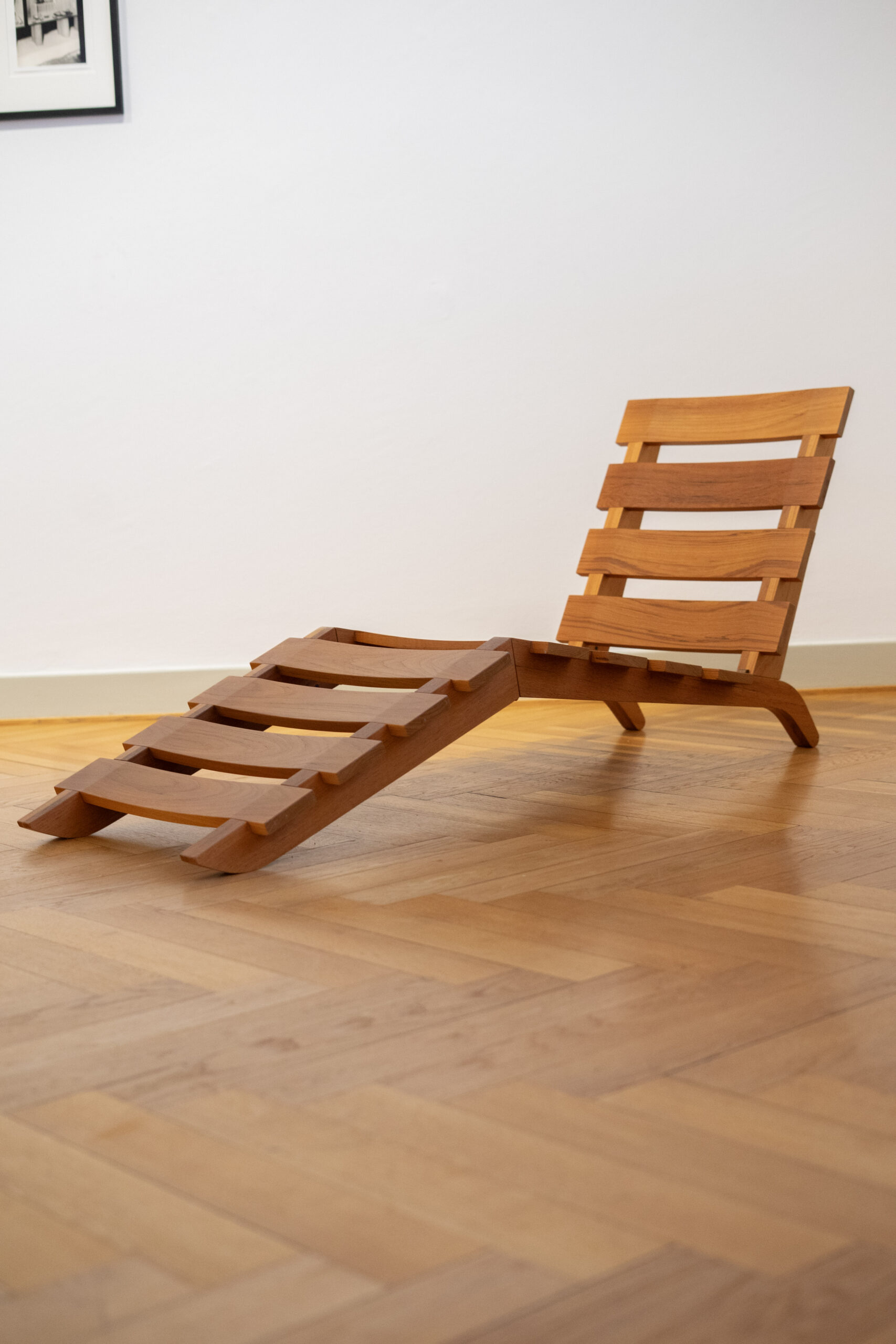 7 min read
The exhibition "Six Five Four Three Two" featuring works by the New York-based artist Josephine Meckseper at the Heppenheim Art Society.
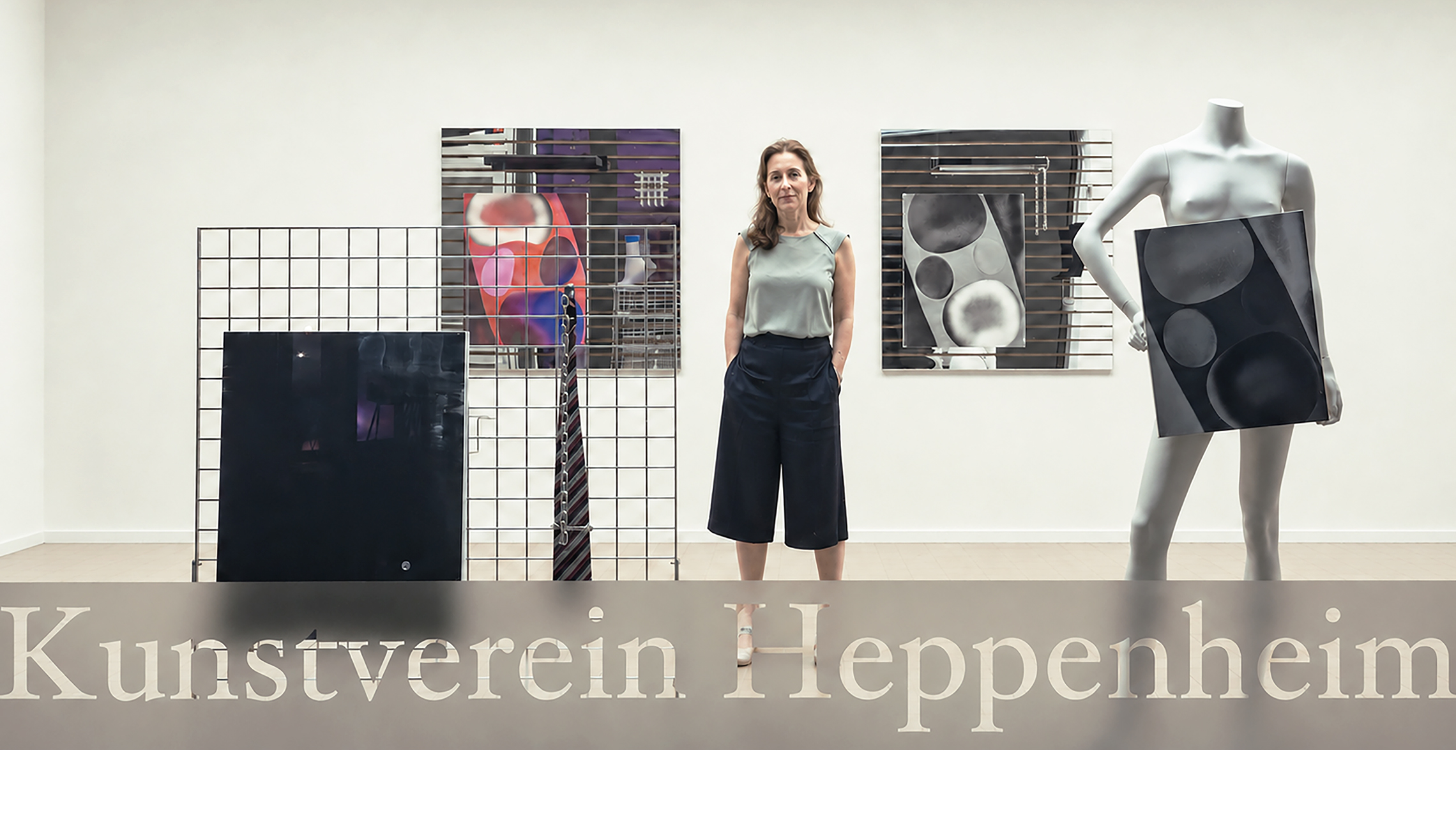 9 min read
In the new premises of Plateforme 10 in Lausanne, the Photo Elysée Museum can finally unfold its potential.
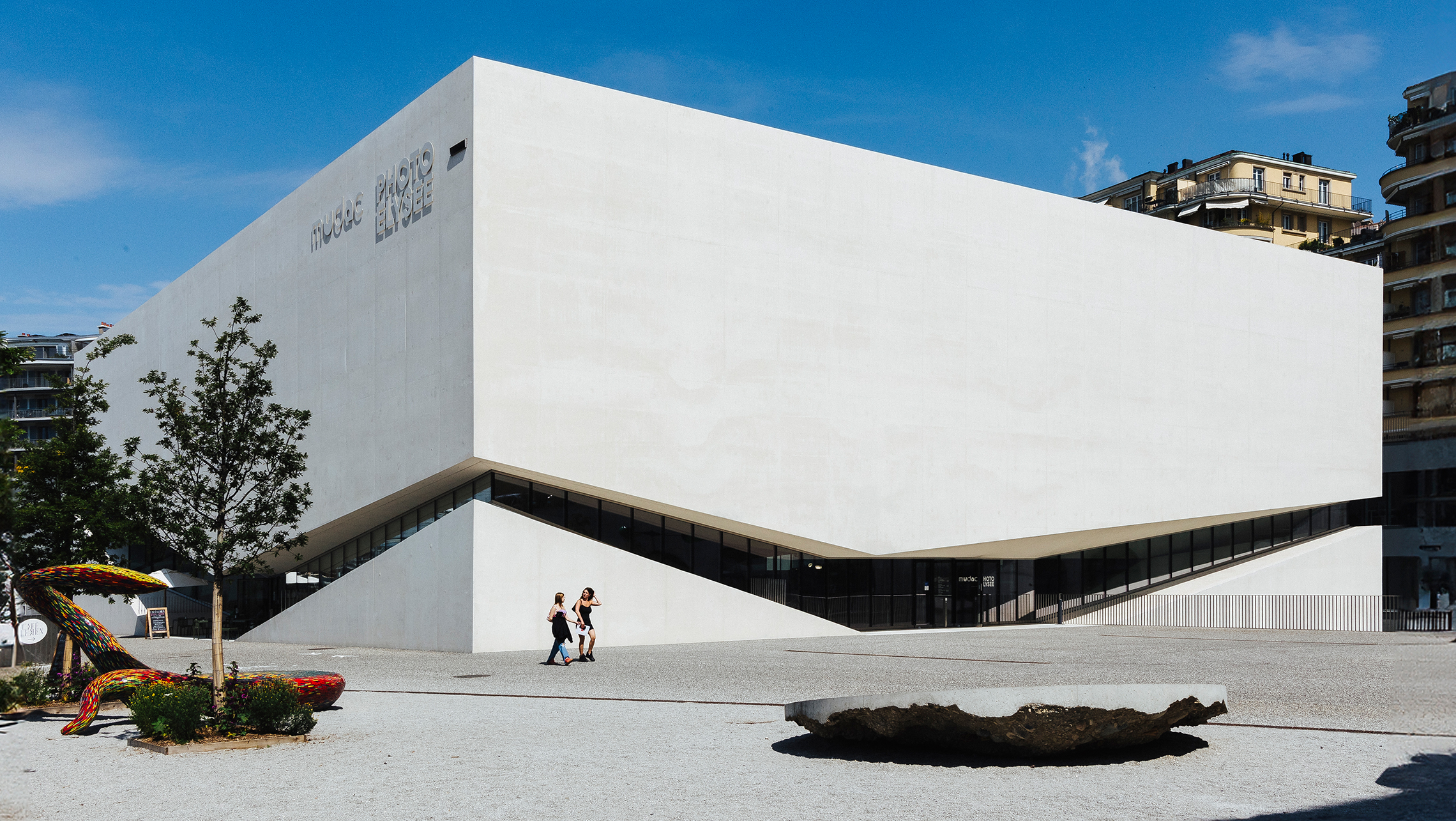 12 min read