 12 min read
 12 min read
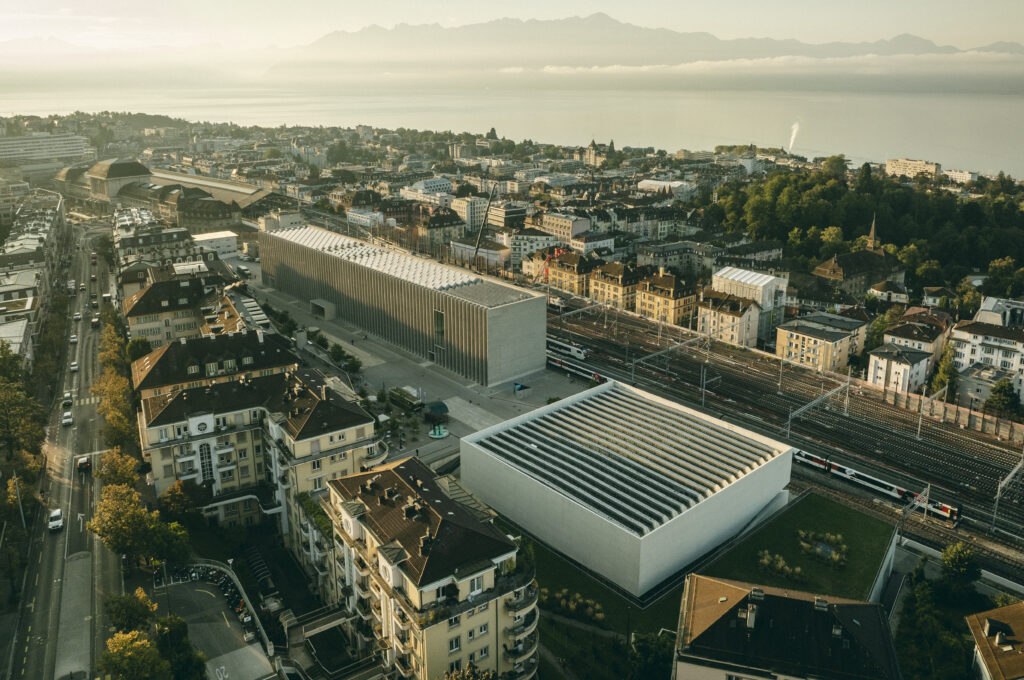
Access to the Platform 10 (Platform 10), the new museum district of Lausanne, is not as open, inviting, and flexible as its director Patrick Gyger would like it to be. The path from the station square, which is set to remain a construction site until 2037, still leads along construction fences before finally opening up the view to the 25,000 square meter area directly next to the tracks: First to the left is the 145-meter-long Cantonal Museum of Fine Arts (MCBA), called the local people Shoebox, whose facade is rhythmically arranged by a uniform sequence of narrow brick slats. Minimalist hints still remind of the former train stations. After its opening in 2019, the MCBA They will soon close again due to Corona.
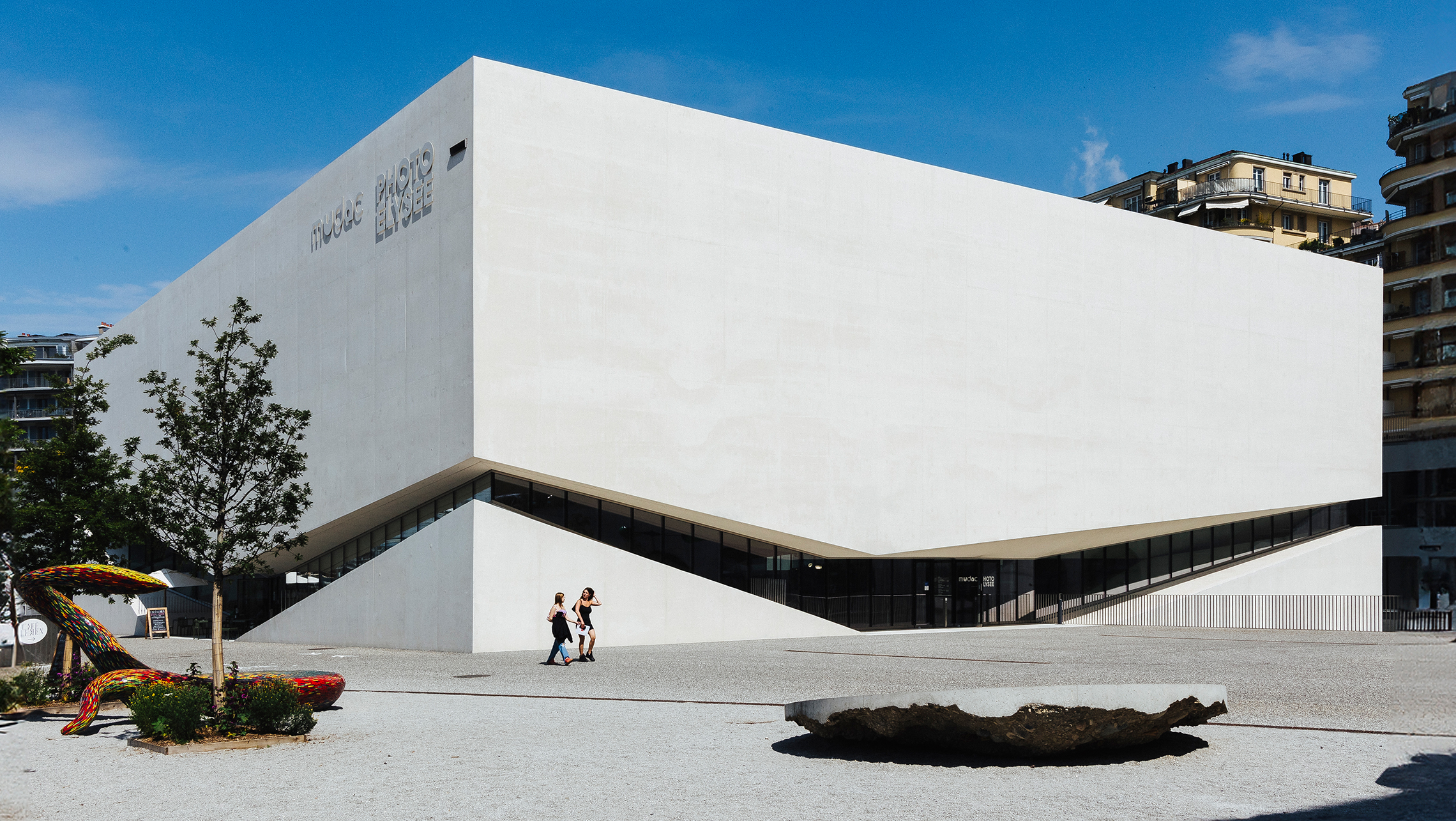
The second building had more luck; its characteristic, smiling window openings on the ground floor are the focus: The concrete square by the Portuguese architect Aires Mateus was opened in 2022, when the restrictions due to the virus had passed. The building houses two museums: the top one is dedicated to the history of the Portuguese people, while the other one focuses on the history of the Portuguese capital. Cantonal Museum of Design and Contemporary Applied Arts (mudac), below Photo Elysée, How MCBA and mudac a museum of the canton of Vaud, all three run by a public foundation. On the ground floor, behind the night-lit window frames, they share Photo Elysée and mudac the reception, the Cafe Lumen And a spacious museum bookshop. "With the new art quarter, Lausanne is rising to the top class," the Swiss television station announced at the opening, referring to the area's railway history.
"Joy, beautiful spark of the gods, daughter of Elysium," wrote Friedrich Schiller, in the orchestration of Ludwig van Beethoven who composed the anthem of the European Union and also frequently played it at state-congratulatory events of all kinds worldwide. Photo Elysée It is called that because the museum used to be called that, under the name Musée de l'Élysée, was housed in a villa in the Ouchy district, which was known under the name Maison de l'Elysée It was known. But of course the reading was also intended as an analytical field of photography. In 1986, when the Musée de l'Élysée When the first pure photography museums were founded in Europe, they were very few. In Switzerland, it all began with Rosellina Burri-Bischof, who was the driving force behind the museum that was established in 1971. Swiss Foundation for Photography (today Fotostiftung Schweiz) had married photographer Werner Bischof in 1949, who died in the Andes five years later. As head of the agency Magnum Switzerland She met her second husband, René Burri, who later left her a substantial inheritance. Photo Elysée The foundation is in turn closely linked to Fotomuseum Winterthur.
In 1985, the canton of Vaud/Waadt appointed the third director of the Fotostiftung Charles-Henri Favrod, a journalist and author of several books on the history of photography, to establish the museum, which can thus be considered the first photography museum in Switzerland, eight years before Winterthur. Shortly before that, three remarkable institutions had been founded in the immediate vicinity: first the Focal Gallery in Nyon; then, initiated by photographers from Geneva, the Centre de la Photographie Genève and in the same year in Biel, at the initiative of the city’s cultural secretary and photo enthusiast Francis Siegfried, the Photoforum Pasquart, which has also been operating since 1993 Prix Photoforum all three do not have their own collections, however. Photo Elysée, who led Favrod for about ten years before being taken over by the famous Fratelli Alinari was called to Florence to establish the first Italian photo museum there, today Alinari National Museum of Photography which opened in 2006 in a former pilgrimage hospice on Piazza Santa Maria Novella.
Photography is a relatively young medium that was not widely recognized as an art form until recently and has undergone considerable changes throughout its history: not only in the production process, from the glass plate to celluloid to today’s digital formats, but also in the presentation methods. In the past, smaller, framed black-and-white prints were more common; later on, color, large formats, and even wall murals, slide projectors, and projectors were added. Photo art can mean two things: usually professional photography that has reached an artistic level; or contemporary art that works in the medium of photography. This heterogeneity is reflected in the diversity of photo museums, some of which are also dedicated to the technology of the equipment.
That Photo Elysée When traveling in the first class, it is evident as in the MCBA and at the mudac in large exhibitions of contemporary art from around the world. Now they finally have the space they have long lacked, but they also have to fill their halls. The Kunstmuseum MCBA It is currently doing so with a huge solo exhibition by the Nigerian artist Otobong Nkangwa, featuring expansive works across all materials and media. The Museum of Applied Arts mudac shows a retrospective of Isao Takahata, the founder of the outstanding anime production company Studio Ghibli with film clips, video interviews and numerous drawings that illustrate the production process of the animated films. There is also a geographical context: Takahata was "the man who brought 'Heidi' to Japan", as Swiss television notes, before turning to Japanese subjects. And the archive of Heidi-Author Johanna Spyri is in Lausanne.
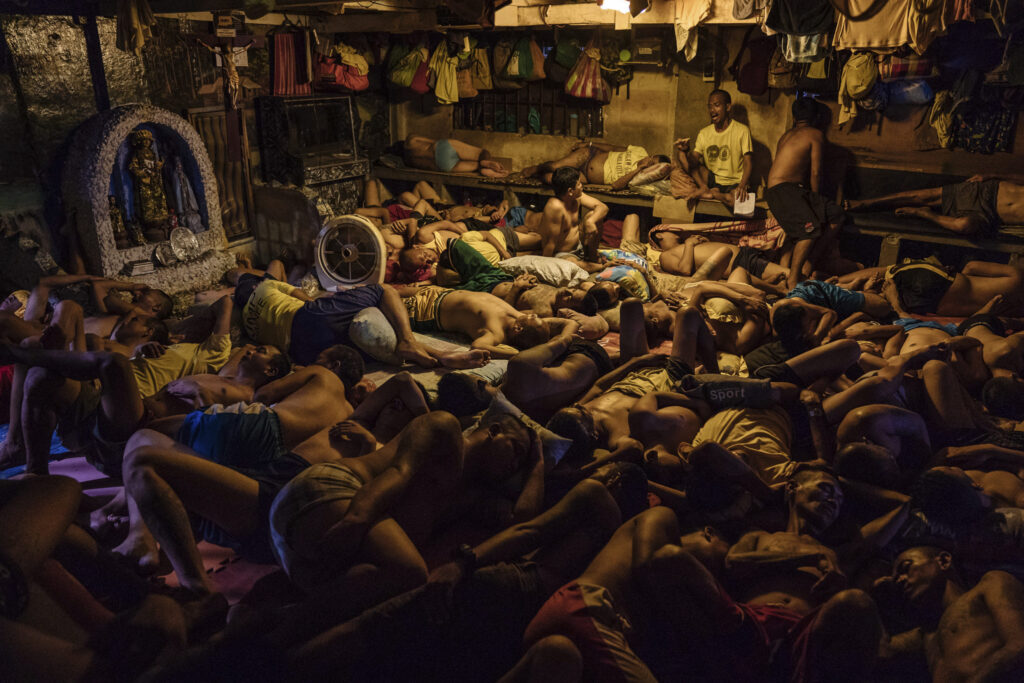
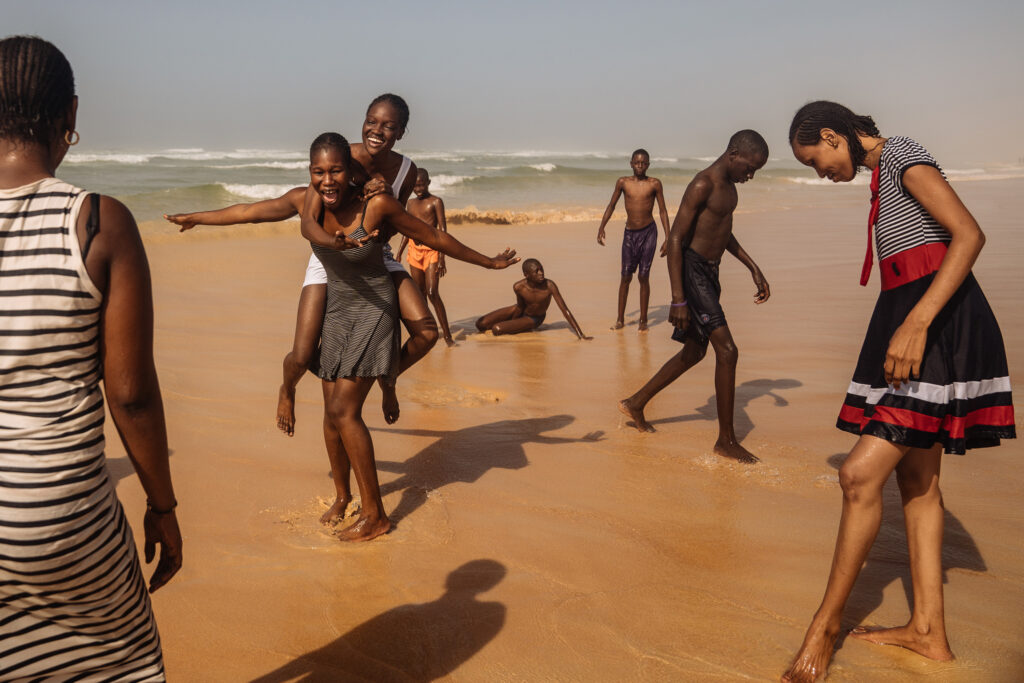
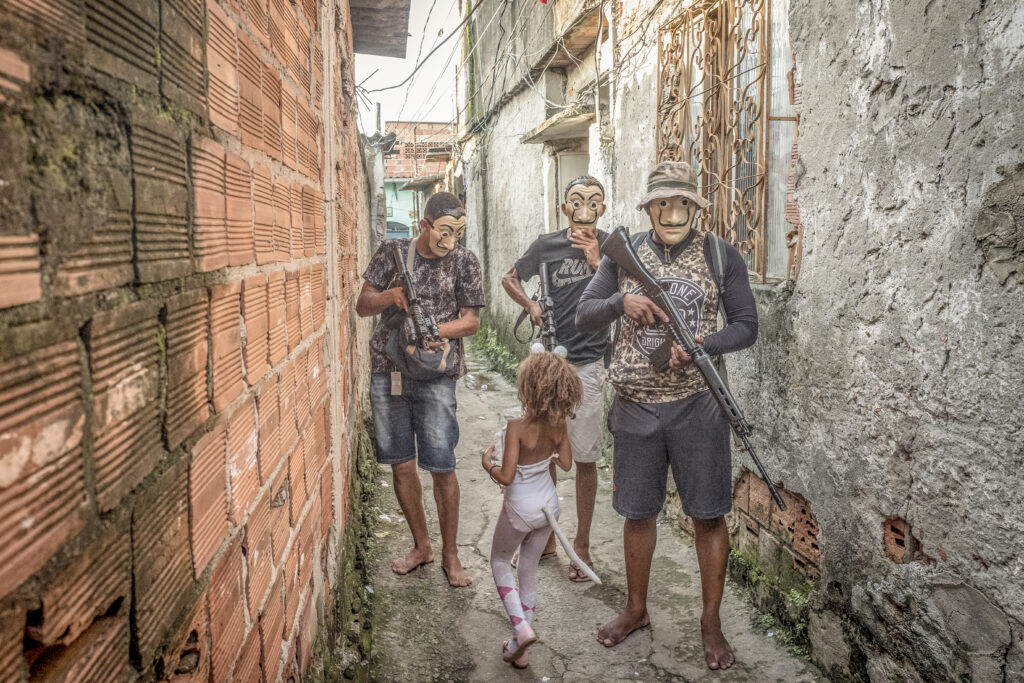
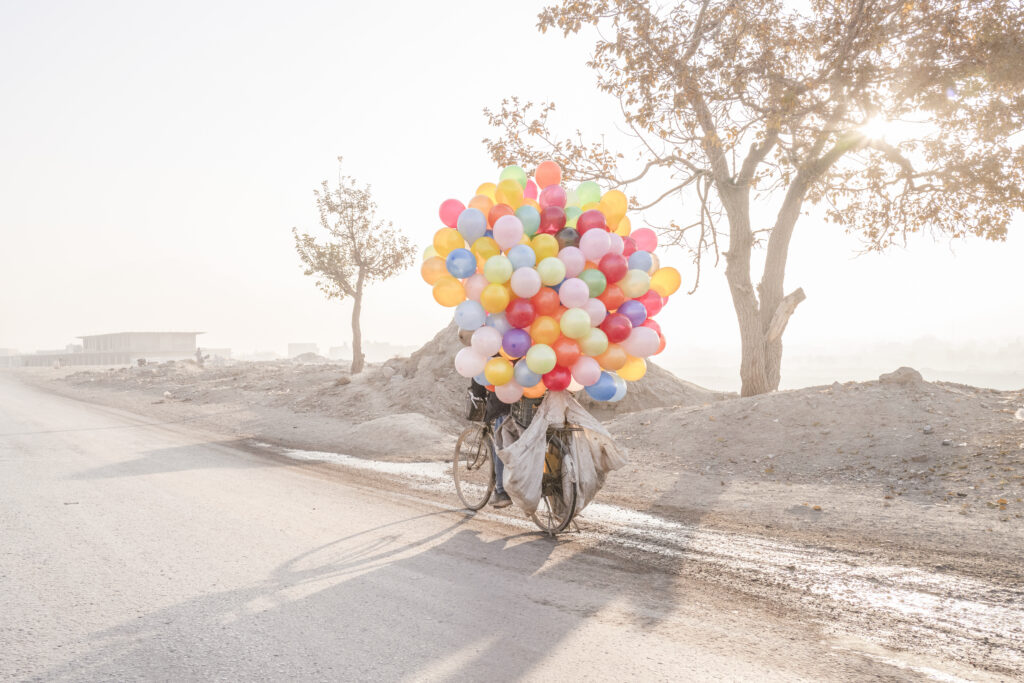
Photo Elysée has recently opened two exhibitions that came about in quite different ways. Alfredo Jaar, born and raised in Chile, has been considered one of the pioneers of documentary processes in art for over 40 years. Sensitized by the Pinochet coup in 1973, his ethics and aesthetics are characterized by the fact that he reflects on the emotional impact of the images. In spatial installations that counter the flood of media images, he makes it clear that images require a thorough examination. The exhibition in Photo Elysée was created on the initiative of Paolo Woods, the curator of the photography festival Cortona on the Move, where she had already been seen last year. However, because his budget was insufficient, Woods turned to Photo Elysée and proposed a collaboration. Jaar took the title of last year's festival, Come Together, literally inviting twenty documentary photographers to submit two shots each: the most shocking of her career to date and the one that spreads the most hope and joy, inspired by Hell and Heaven in Dante Divine Comedy. Twenty slide projectors on black wooden stands project the images in different directions. A clock at the entrance indicates: Every twenty minutes the scenery changes. Twenty hellish scenes are followed by just as many heavenly moments.
When it comes to images from Gaza or the Ukraine, this is easy to recognize; the portrait of nine-year-old Mahmoud Ajjour, who lost both arms, taken by Samour Abu Elouf in Doha, is also included as Press Photo of the Year Others, such as Hannah Reyes Morales' depiction of a crowded prison in Manila, where inmates lie crisscrossing the floor without knowing what is being charged against them, only become clear after reading the information provided in newspaper format. Rarely are the positive images as uninhibited as in the case of an Afghan balloon vendor on Véronique de Viguerie's bicycle or the students of the University of Dakar on the beach, again by Reyes Morales. On the other hand, a catastrophic background is often contemplated, as in Alice Martins' image of a fighter for the Free Syrian Army holding a newborn in her arms. Her image of a lonely old man amidst the ruins of a cemetery destroyed by the Islamic State is apocalyptic. However, the shots always require closer inspection. The impact of the explosion of an American airstrike on the IS in Syria is immediately evident in Bülent Kılıç's image. But there is a person nearby who is fleeing. Will he survive the pressure of the heat wave? Lorenzo Meloni shows a young man hanging backwards from a chair backrest. It could be a gymnastics exercise; if a red smile did not form on the ground under his head.
For ten years the museum has also awarded a prize, the Prix Elysée. Anyone who has not just recently completed their studies but is not yet very well known can apply. Funded by the watch manufacturer Parmigiani Fleurier, The prize is intended to enable photographers to realize a new project and produce a book. In a first round, eight candidates will be selected who will each receive 5,000 Swiss francs and participate in the final selection next year, which is endowed with 80,000 francs. This does not always result in an exhibition, but for Hannah Darabi, who emerged victorious last year, the idea went beyond what a book can represent.
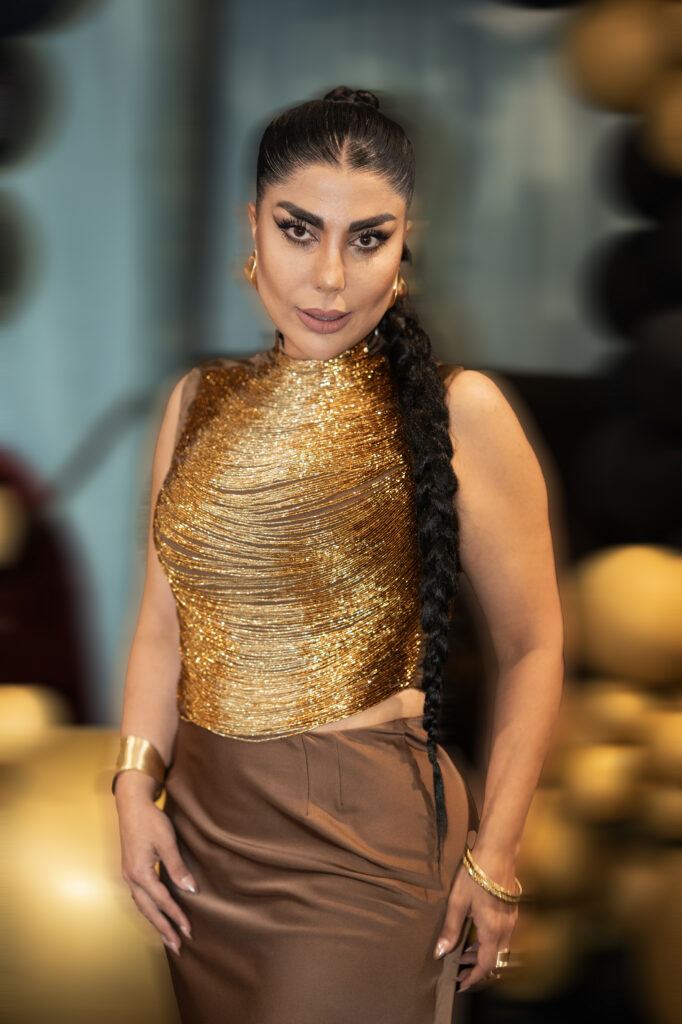
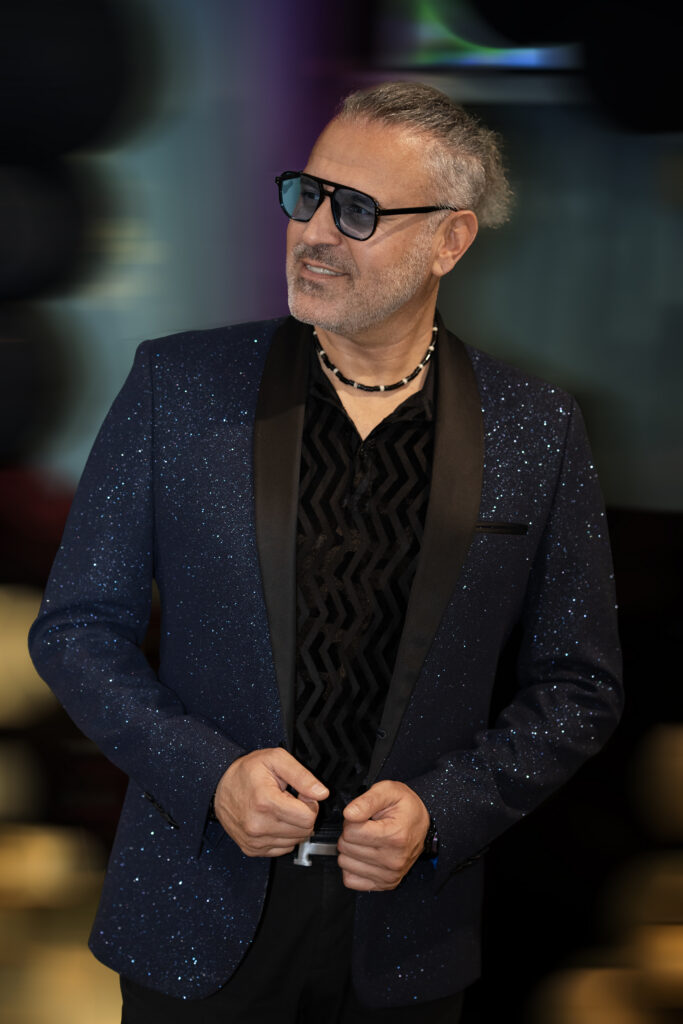
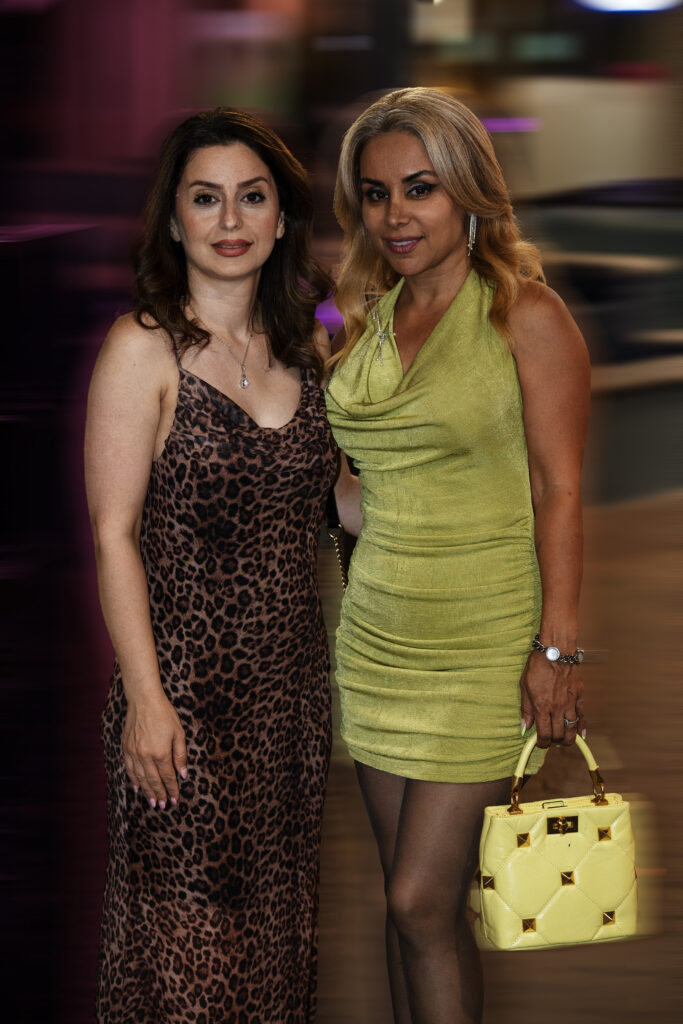
Darabi was born in Iran in 1981 and has lived in Paris since the age of 25. She considers herself an artistic researcher and is interested in identity constructions in the complex relationship between Iran and the diaspora, as well as in gender roles. Why don't you dance?, The title of her book and exhibition is derived from a song by the Armenian-Iranian singer Viguen (Vigen Derderian), called "Sultan of Persian Pop". She herself, as she writes in the book, received dance lessons at the age of twelve, starting with tape recordings smuggled in from Los Angeles and choreography by the dancer Mohammad Khordadian, who lives in exile there and plays an important role in her project.
But the starting point is a book: the fictional autobiography of the successful singer and dancer Mahvash in the 1950s. In reality, in Tehran, but in the book, born in Paris, the capital of love, she leads a life in The secrets of sexual fulfillment – as the title suggests – illustrated with black-and-white photographs of women in provocative poses, with deep slits and tight bikinis, which at the time could not have appeared more provocative in the USA. This book collages Darabi with images from more recent times from Iran and presents Mahvash with two other dancers: Jamileh, also a belly dancer, became very famous from the 1960s onwards, when she became the first woman to perform in the original male-coded Jâheli-Tanz adapted. At the center is the Jâhel, a hero of a street gang whose machete-wielding thugs she caricatured. Khordadian reversed the roles and adopted typical female poses, as she did in the film Jamileh in the City. Jâheli After the Iranian Revolution in 1979, he went into exile in Los Angeles and produced dance videos in the form of aerobic lessons that also sold well in Iran.
Darabi takes the gender role reversal one step further. In a box in the center of the exhibition, three videos are shown, filmed in Berlin with dancers from Iran. Khordadia’s aerobic videos with mostly female partners now parodize the dance instructor Sepideh with two gay men. The one, slim, with long hair and pale-pink tights, then performs a waltz-like dance. The other, Sina, gives the Jâhel, with a melon, a black suit, a white shirt and a red scarf, who she gradually takes off.
All around the walls are life-size photos from Cabaret Tehran in Los Angeles, where the largest Iranian exile community lives since the CIA-organized coup against the first elected prime minister Mohammad Mossadegh in 1953. Especially on Wednesdays, at karaoke night, the Iranian community meets here. High Flight, Los Angeles has taken much from Hollywood glamourism, but it was also a model for Tehran’s planning, as Darabi illustrated with a comparison of his own photographs and historical postcards.
Unlike the special exhibitions, the collections of the three museums focus on the regional context. Which is also the way it should be, because if all museums only collect the internationally renowned big names, they become interchangeable, as the art historian Christian Demand rightly criticizes. There is something to discover here for visitors from Germany, because artists from the region of Western Switzerland are not always well known here. The quality is not the issue; that is not how the permanent exhibition of the MCBA shows, which can be visited free of charge. Photo Elysée has countered – as does nudac – no permanent exhibition, but extensive collections of its own.
Since March, photos from Asia by Ella Maillart have been on display there, marking the inclusion of her work in the UNESCO World Heritage List last year. The 1903-born photographer and author traveled through Moscow in the 1930s to Turkestan and Uzbekistan and then from Manchuria via the Silk Road to India, Iraq and Syria. In 1988 she donated Photo Elysée Her photographic legacy: thousands of black-and-white prints, mounted on cardboard and hand-labeled, show a world that no longer exists. Maillart deals with the displacement of the Turkmen nomads by the Stalinist Soviet Union and shows that the Buddha statues of Bamiyan in Afghanistan were not attacked only during the Taliban era by fanatical Muslims. "We live in a time when the image has become indispensable," the photographer firmly held in broad perspective, "it dominates, it is omnipresent, it has become the true international language." But she also recognized the responsibility of the photographers: "All too often this machine held before our eyes builds a barrier," she wrote, "between the viewer and the scenes with the admirable actors."
All three exhibitions at Photo Elysée running until November 1st, by Otobong Nkangwa MCBA However, that will only be until August 23rd and the one for Isao Takahata is still to be decided. mudac Until September 27.
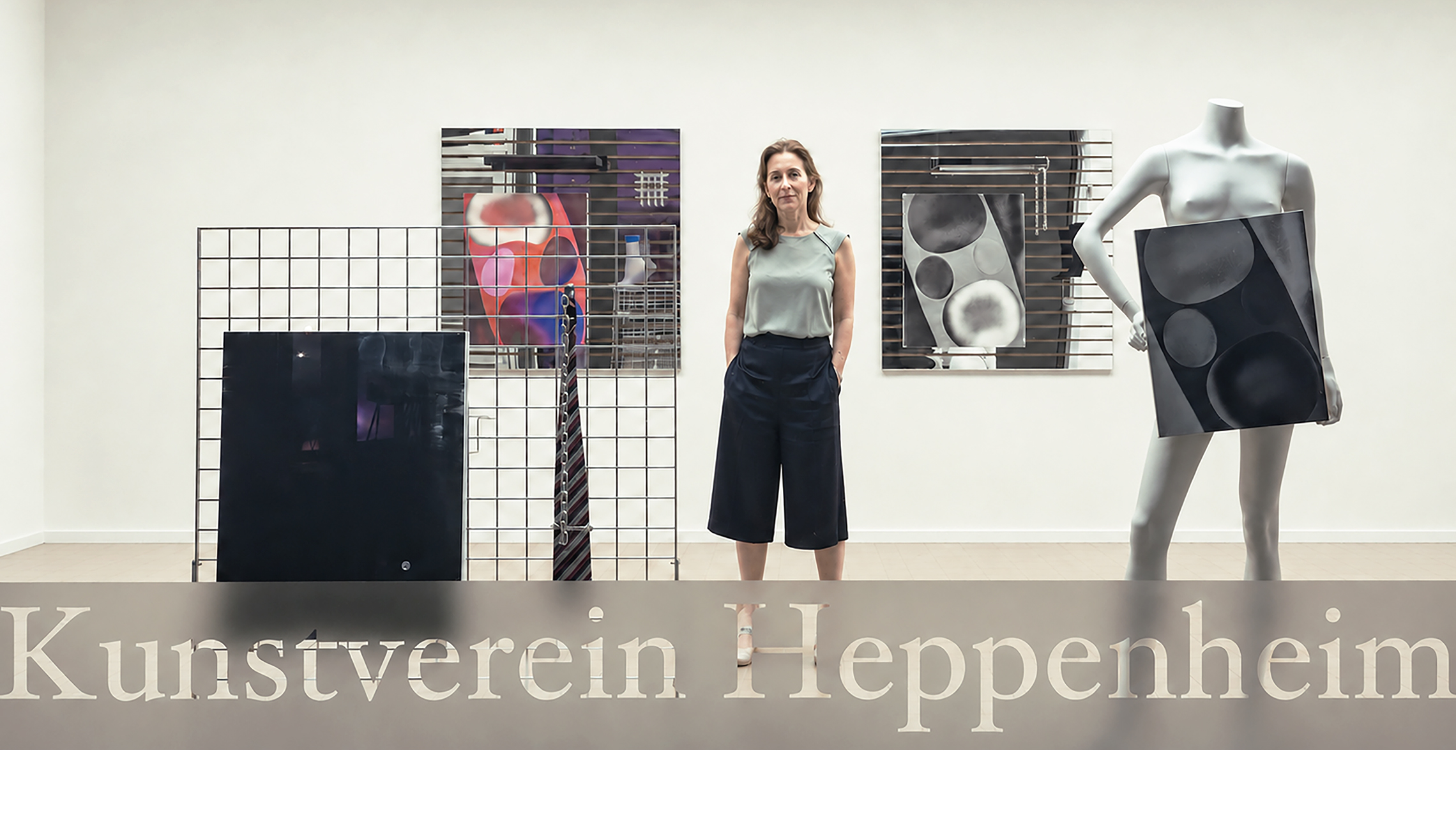
The exhibition "Six Five Four Three Two" featuring works by the New York-based artist Josephine Meckseper at the Heppenheim Art Society.
 9 min read
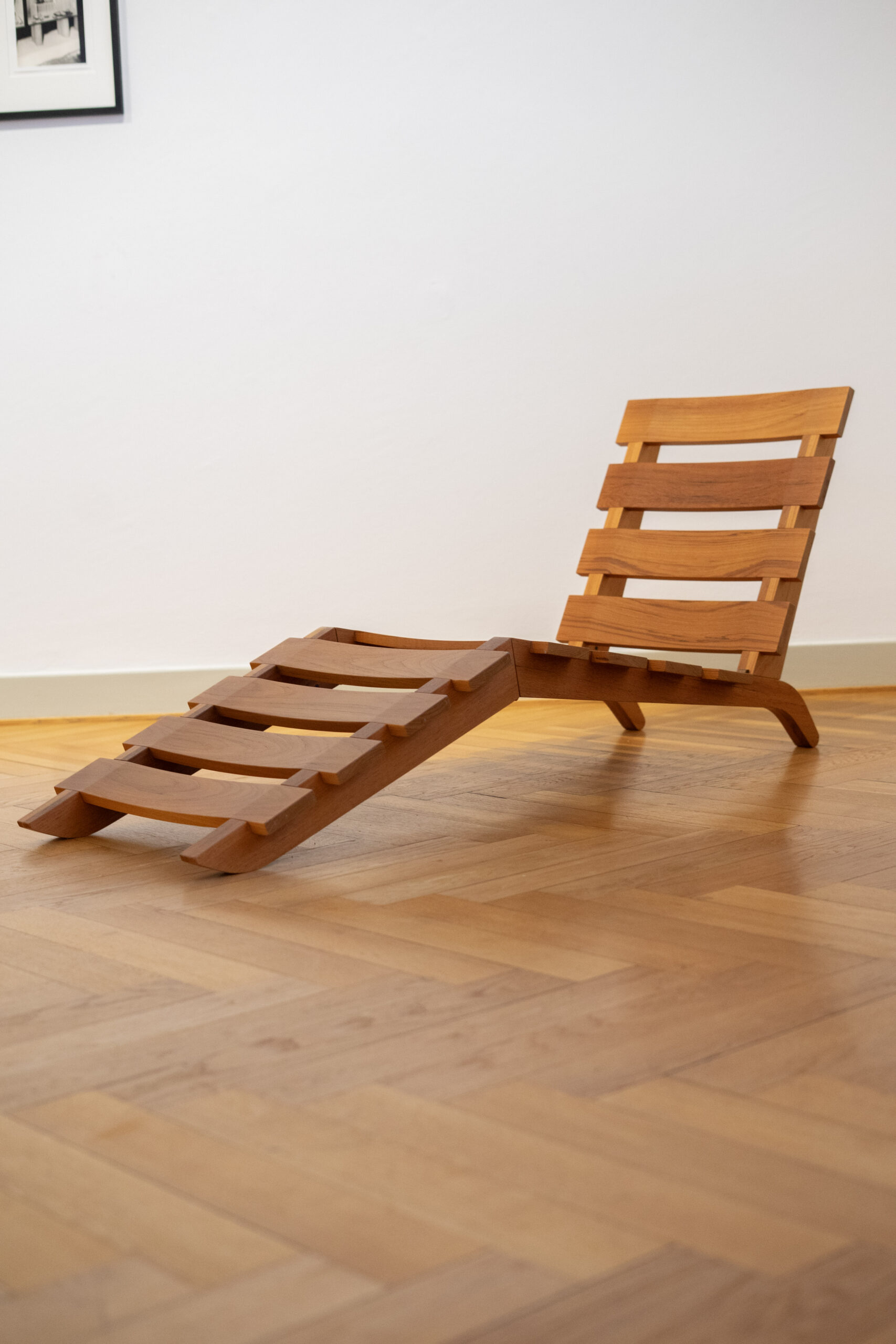
The Kunstmuseen Krefeld are dedicating the first retrospective in Germany to Charlotte Perriand’s multifaceted and astonishingly contemporary work.
 7 min read
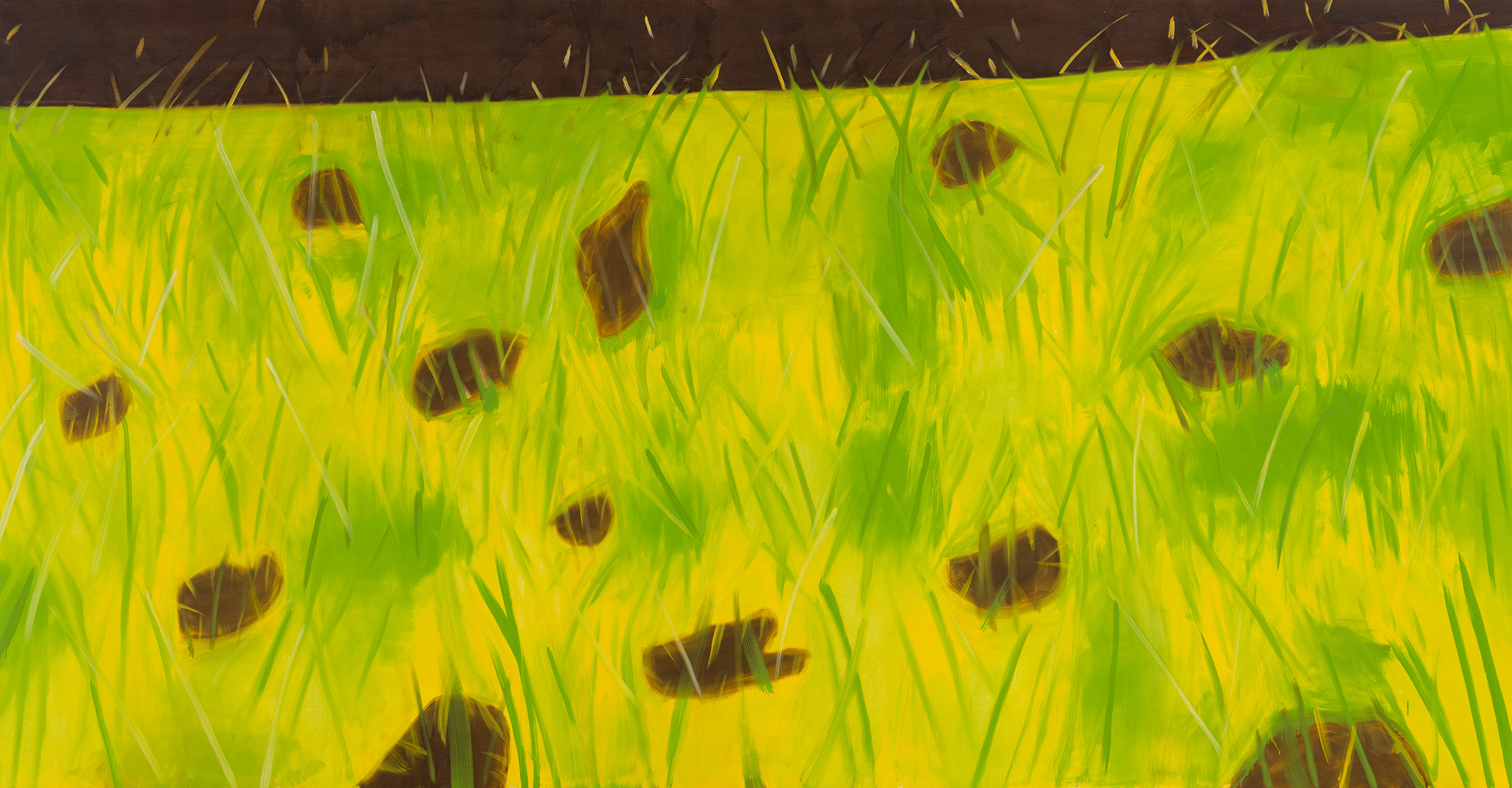
Alex Katz at the Tübingen Art Gallery
 8 min read