 5 min read
 5 min read
The collection of the Heidenheim Art Museum, established in 1989 in the former public bathhouse of the city, is based on a Picasso poster collection, said to be the largest in the world. It was compiled by Christoph Czwiklitzer, an art dealer, journalist and publisher, who had already published a catalogue of posters in 1970. Approximately 700 of them are owned by the city of Heidenheim, designed by Picasso himself or other artists for his exhibitions, gradually supplemented by around 140 prints. So far, so good; but after more than three decades, this collection is well known to art enthusiasts locally, while visitors from outside the area are hardly likely to make a detour to Heidenheim.
Marco Hompes, who has been running the museum for two years now, has now taken the fiftyth anniversary of the artist’s death as an opportunity to re-examine the collection. Despite all the admiration: How do we deal with the male artist-hero who does not always treat his women – thirteen according to the exhibition brochure – with the care he should? When Françoise Gilot, the mother of two of Picasso’s four children, wrote a book about it, he cut off all contact. Claude and Paloma Picasso had to fight for their inheritance for a long time. Picasso was able to prevent his wives from pursuing their own artistic careers. Can this be simply ignored in times of MeToo?

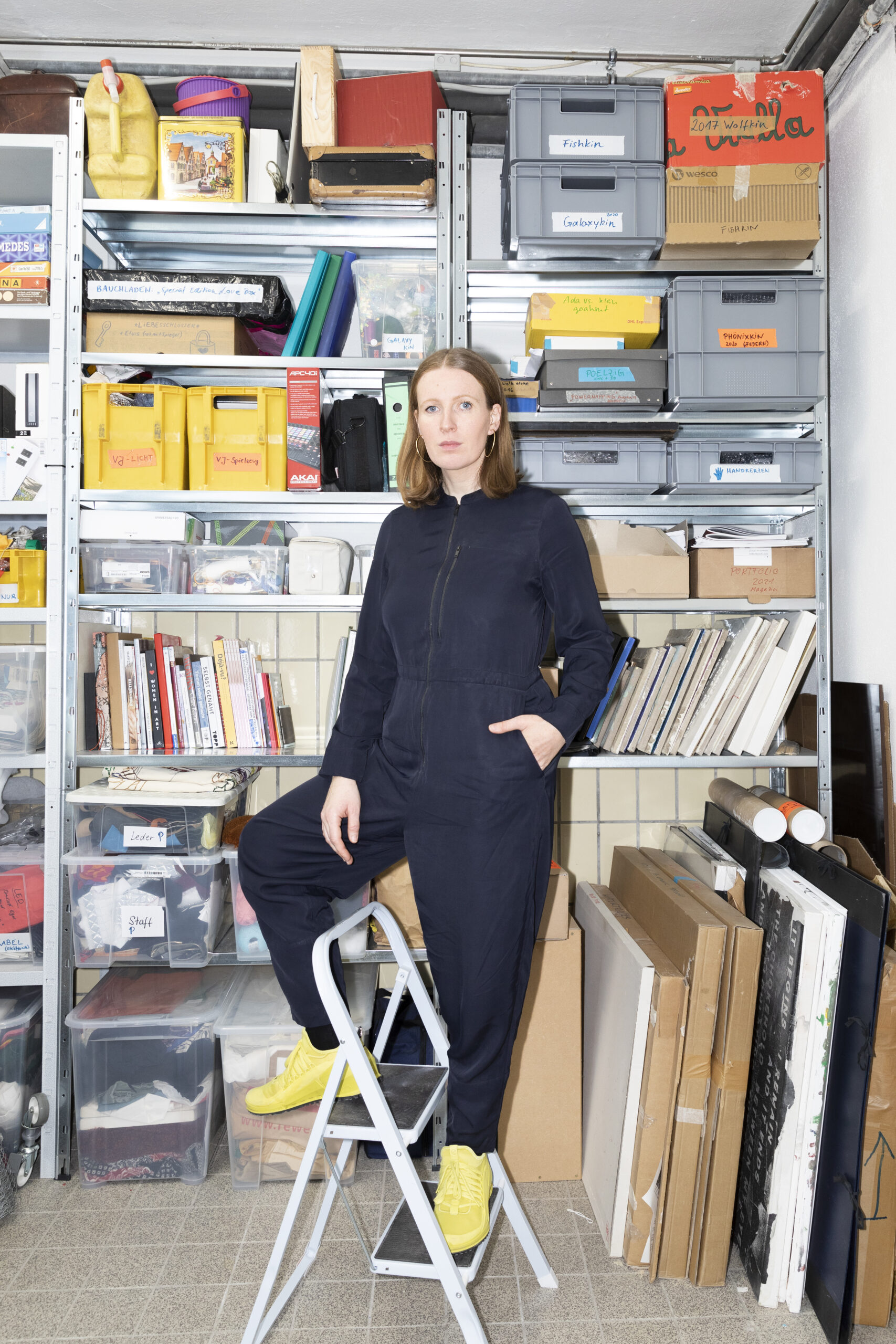
Hompes wanted to know how a contemporary artist sees this. He could not have found a more suitable person than Hannah Cooke, who has attracted a lot of attention in recent years: in the videos Ada vs. Abramović and Ada vs. Emin She reacts to Marina Abramović’s statements that women as artists have no success because they do not want to give up love, family and children; and to Tracey Emin, who cannot imagine being both a mother and an artist at the same time. With her daughter Ada on her arm, she blends in with Abramović’s work. The Artist Is Present and in Emin's My Bed One. "The art industry needs to become more family-friendly," the magazine wrote. monopoly Two years ago an interview with her. Under the title: "The Last Taboo" she dedicated it to her. The Time an entire page. Cooke has been involved in over twenty exhibitions since then.
But how to illuminate a century-old artist like Picasso with the artistic means without directly confronting him? Hannah Cooke avoids the comparison by choosing a medium in which he has not worked, which is also connoted as female. In the former swimming pool, the Hermann Voith Gallery, where the permanent exhibition is located, five large red and pink flags hang. All of Picasso’s works, however, are hung on a wall in a Petersburg-style hanging, while the signs remain where they were. Instead of Picasso, Cook’s works now fill the space. They refer to Picasso’s themes such as the dove or the Minotaur. But can one still today fill a page with the title Minotaurus, who raped a woman to exhibit, asks Hompes. Even if this title does not originate from Picasso?
Hannah Cooke packs the bull – no, not with the horns, but on its tail. Picasso wrote a surreal drama in 1941 titled How to get a cock with your mouth. She calls her scarves "red flags," in reference to dating warnings about toxic men. Red scarf would also fit the bill. The term comes from the bullfighting that Picasso loved. The bull: an image of unbridled male power. Herakles defeats the Cretan bull, the father of the Minotaur. "The Minotaur is me," Picasso said. The passionate, his sexuality, the artist embodied in the hybrid creature, half human, half animal. As Picasso does, Cooke also refers to ancient mythology with two other flags: the bull once represents the stone, Sisyphus rolls the mountain uphill, and the sky vault once holds the Atlas. These tasks he performs himself, in a black bikini, applying the red scarves with the sewing machine.
The fact that all these associations fit together seamlessly shows how well-thought-out Cook's conceptual considerations are. The celestial vault in the form of a steed: that might be the art itself, firmly in the hands of male heroes like Picasso. To attempt to counter this is a Sisyphean task, but she calls the image, slightly modified after Albert Camus' The myth of Sisyphus"We have to imagine Sisyphos as a happy woman." Confronting the power of an artist like Picasso head-on cannot succeed. On too many levels, an artist finds herself in a weaker position: she is structurally disadvantaged. She cannot offer the same prestige and status as a "great" artist. And it would be wrong to try to outdo Picasso's artistic power, which Cooke does not at all question.
So she packs the bull by the tail and extricates the myth of the great artist in another way by showing that there are other aspects: vulnerabilities; Picasso's problematic masculinity. My little rabbit, Another bright pink flag with chopped-off pigeon feet alludes to an episode from the artist’s childhood, when his father José Ruiz y Blasco, himself an artist and specialized in depicting pigeons, himself placed the bird’s feet on him with the instruction to draw them. The underlying cruelty contrasts with Picasso’s numerous peace doves hanging on the walls and with the word “peace” in the title. The final flag, in stronger pink, alludes to Picasso’s first encounter with Dora Maar, who stabbed herself with a large pointed knife between her fingers and, according to Françoise Gilot, even accidentally hit herself, resulting in the hand being flooded with blood: again, an image of underlying violence.
Finally, Cooke took a look around the museum shops and bought canvases that, while faintly reminiscent of Picasso’s works, carry his signature even more clearly. She also affixed her own signature to them and now sells them as her own work. If the commercial world can so easily take advantage of Picasso, why shouldn’t the artist be able to do the same?
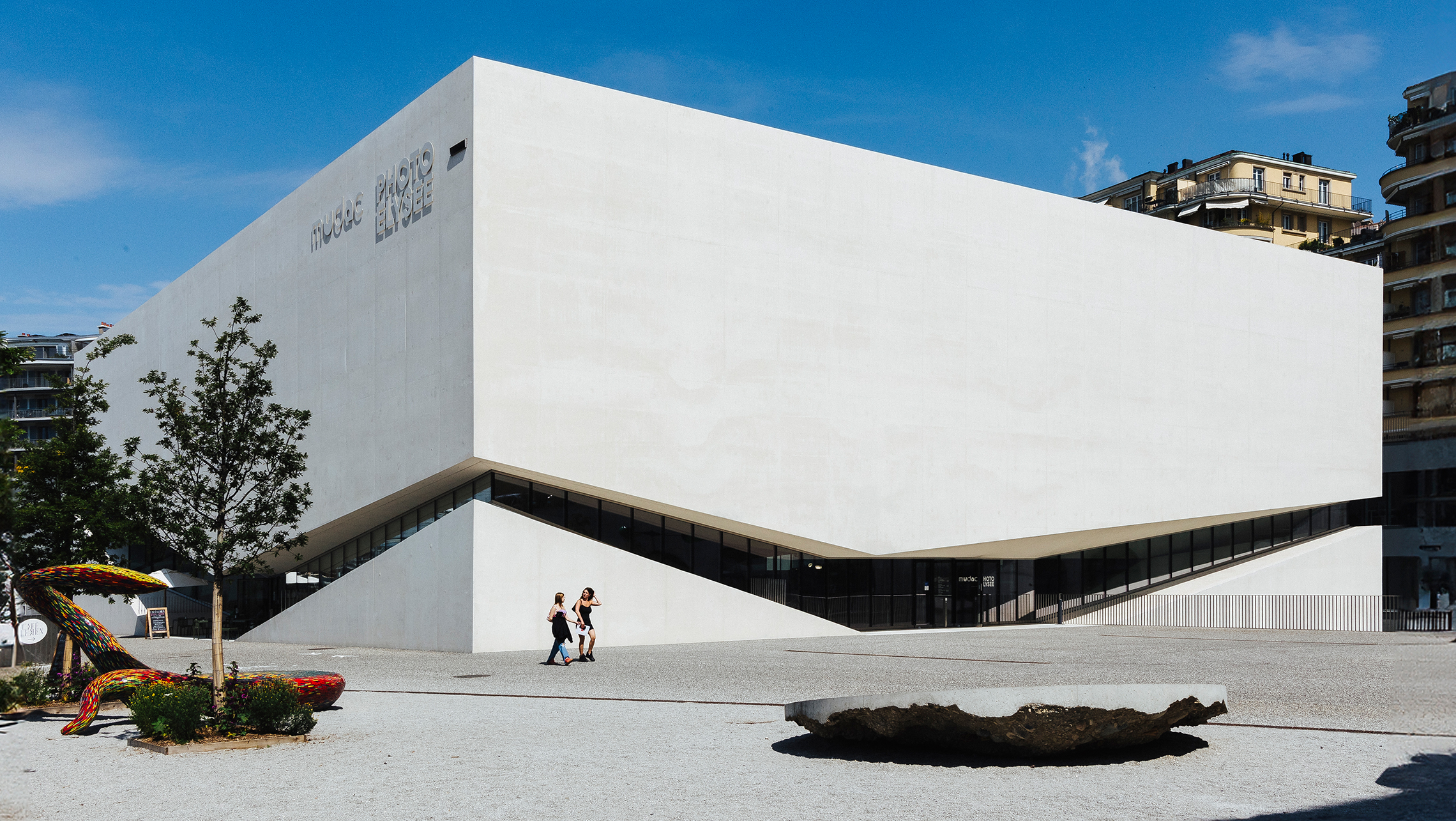
In the new premises of Plateforme 10 in Lausanne, the Photo Elysée Museum can finally unfold its potential.
 12 min read
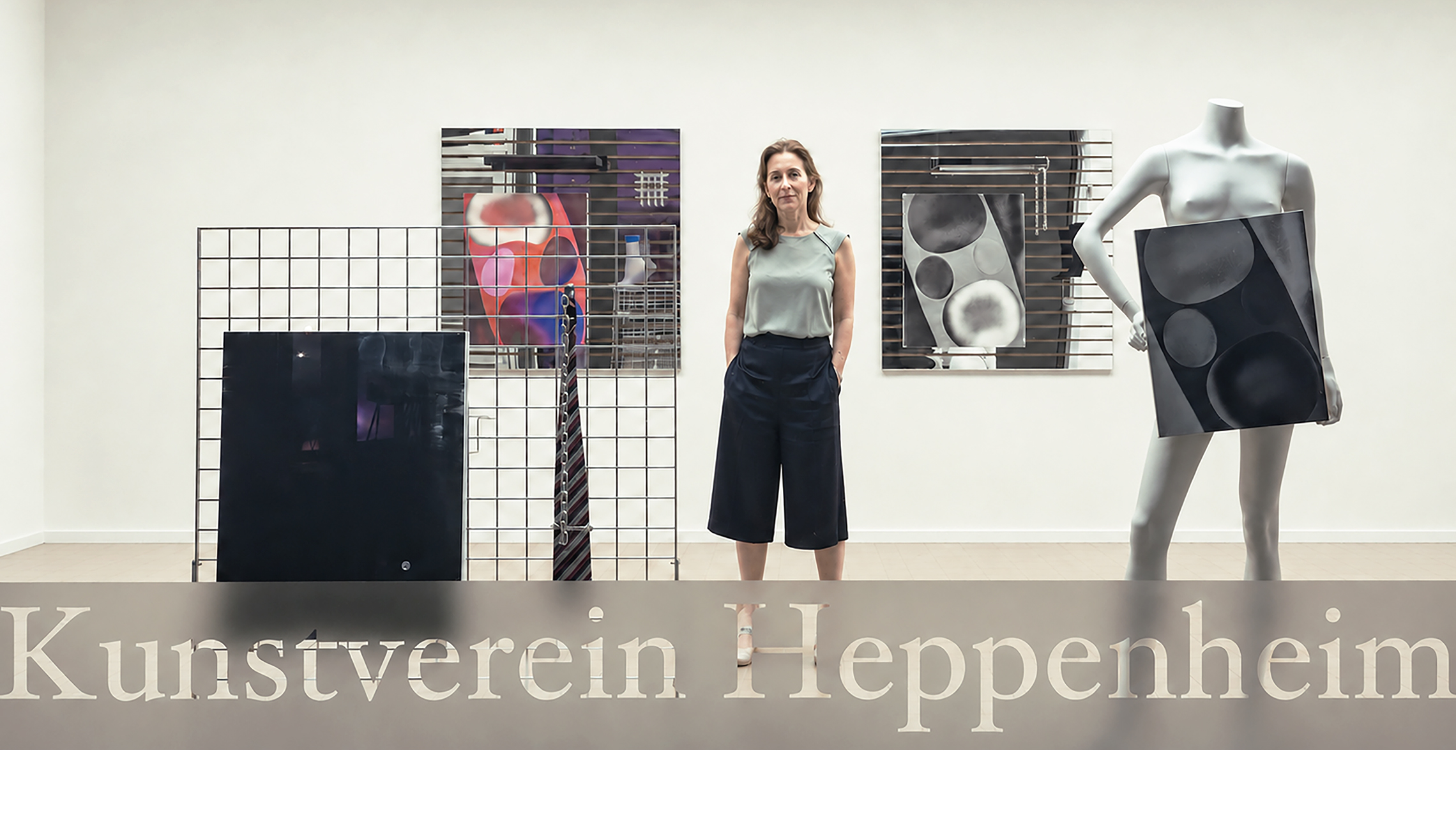
The exhibition "Six Five Four Three Two" featuring works by the New York-based artist Josephine Meckseper at the Heppenheim Art Society.
 9 min read
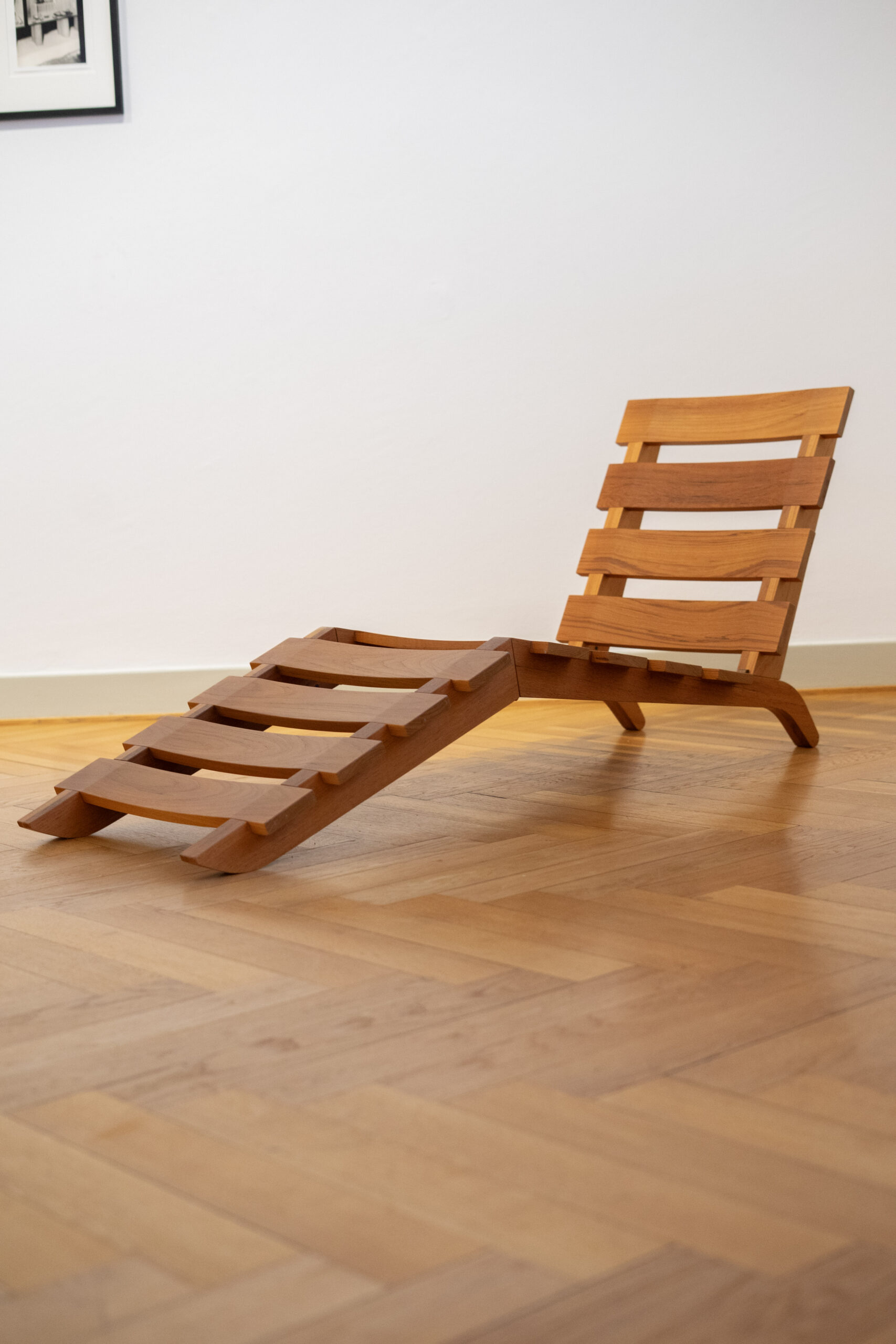
The Kunstmuseen Krefeld are dedicating the first retrospective in Germany to Charlotte Perriand’s multifaceted and astonishingly contemporary work.
 7 min read