
 18 min read
 18 min read
Not only as an artist, but also as an observer of the art world, Edmund de Waal has made a name for himself. In 2017, for example, he spoke of a "noticeable return" by renowned contemporary artists to a material that is also his: the clay. However, what follows is not about verifying what this "return" entails. Instead, we ask the question of what makes the use of a mineral that has been documented in early historical eras—what we know as "pottery"—so appealing to artists of our time. "Why do they do this?", is the question we ask. The motivation behind this, the emergence of this question, can be traced back to the occasional realization that pottery can be not only an artisanal craft but also an artistic field of work.
While we must admit that our interest includes a judgment that is actually not permissible: anyone who sees a side path running parallel to the artist’s actual oeuvre in the pottery workshop in connection with the consideration of an artist’s career must accept the accusation that modern art projects are intended to advance those elements whose constitutive significance is actually not in dispute. This is how Edmund de Waal sees it. There are no side paths. Everything is art.
De Waal cites the poet and art philosopher Herbert Read in this context: "Pottery is pure art; it is freed from any imitative intention. Sculpture, to which it is most closely related, from the very beginning had an imitative intention and is perhaps to that extent less free for the expression of the will to form than pottery; pottery is plastic art in its most abstract essence."
So it is supposed to be the artistic freedom that makes this material so appealing? Herbert Read develops his concept of freedom here as a movement that leads directly from its starting point, the freedomlessness in which nature-imitative sculpture exists, to pottery making. That sounds good, but it is not very convincing. After all, when in the history of art did the "imitative intention" ever exist in such strictness or purity that it had to be felt as coercion by those directly involved? Moreover, by the late 19th century, at the very latest, a degree of freedom had also been reached in figurative sculpture that would have made Read's flight movement superfluous. And finally, in pottery, it is not freedom that rules, at least not primarily, but functionality. Bowls, vases, cups, bowls, pots, and cups are initially vessels, and if not, they are useless. One can expect a dense soil from which the walls attached firmly to it sway, which, where they end, open up a passage into which one can pour and pour out liquid: water, soup, honey, coffee, oil, urine, paint. Or salt, flour, wheat grains, olives, chick peas. That is why vessels are attached to a in principle Unchangeable shaping is bound. Therefore it is called "pottery", "pottery" and "poterie". It is not about freedom, but about pots.
Nevertheless, there is a key question underlying Herbert Read’s statement: Why does someone who is capable of expressing their ideas in various high-end artistic forms begin to make vessels from clay? Why focus on a place where, in conventional understanding, art merges with craftsmanship?
Probably Grayson Perry is the most prominent artist that can be associated with these questions. When you look at his development, you notice that he was only noticed by the wider art public when he was awarded the Turner Prize. At that time it was said: "the judging panel admired his use of the traditions of ceramics." So it was already about Perry's vases at that time.
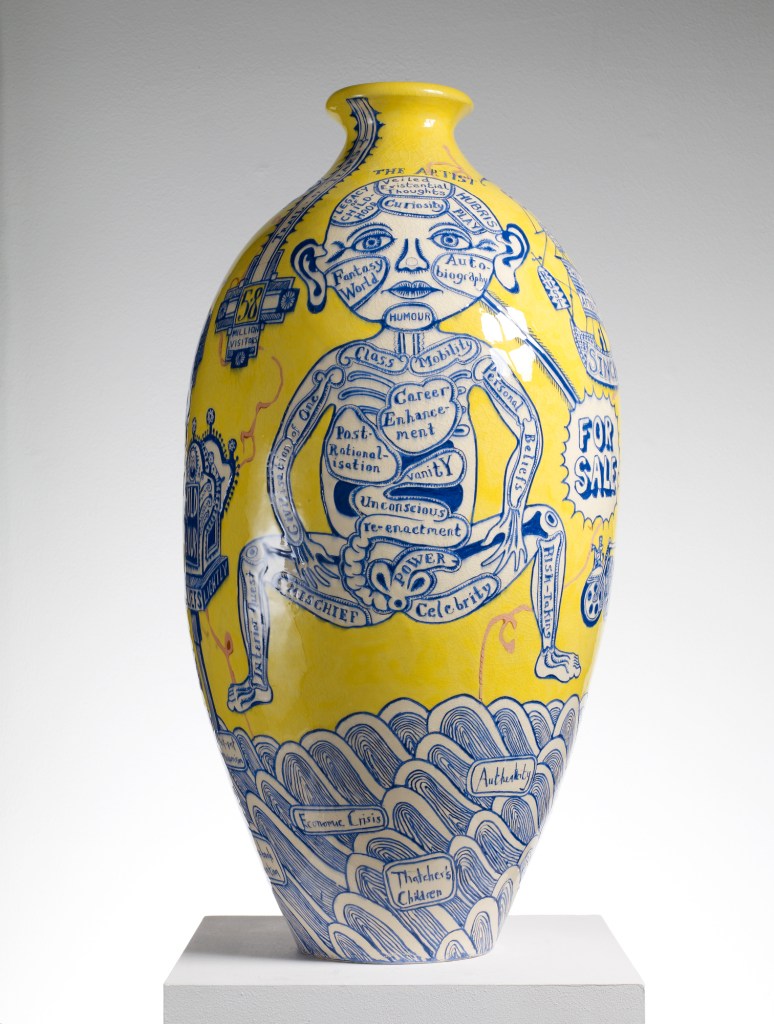

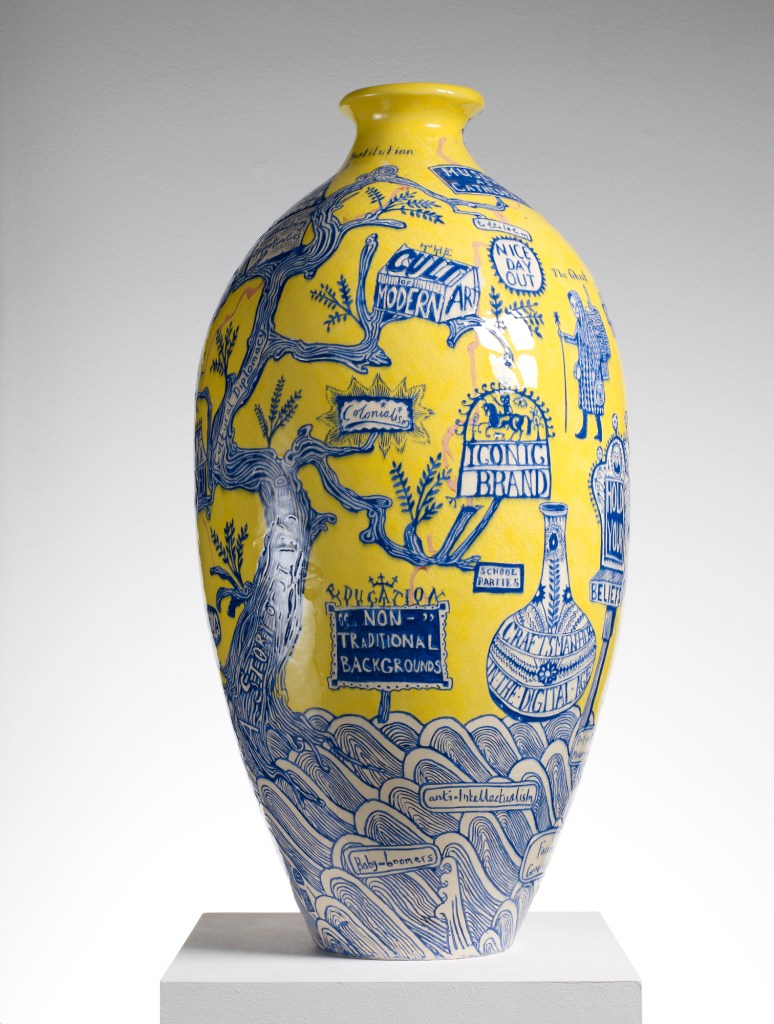
However, Perrys career did not begin with them. In the 80s, he was part of the "Neo-Naturists", a group of British performance artists. In the London of the Thatcher era, they were considered part of the hippie movement, which had long since been superseded by more radical avant-garde groups. The Neo-Naturists were rather met with some scorn at the time. Instead of resisting, they adapted this disparagement and used it as part of their self-marketing strategy. During this time, Perry created drawings, photographs, and films. He also sculpted from materials he collected. It took a while before he began working with sound, first by attending corresponding evening courses.
At the official award ceremony for the Turner Prize in 2003, he appeared as his alter ego, whom he had christened "Claire". In doing so, he revealed himself to be a "tranny". In English, this can be translated as "transe", a term he adopted, although it is also often used in a derogatory way.
In his alter ego, Perry sees things differently than the attempt to pretend to be a woman. Instead, he occupies a position: the one that is often assigned to women in male-dominated societies. British historian and publicist Lisa Jardine writes that with Claire’s help, Perry manages to blur the boundaries, namely those between domesticity and the gallery space, that is, between everyday life and exclusivity.
In this context, another point is worth mentioning: Perry is from Essex. Jokes about people from Essex are made in London, which can probably be most easily compared to German blonde jokes. The stereotypes about the British urban popular culture that are also widespread in London are also similar to those in Germany. wide boy and his Cashier Perry has neither rejected nor fought back against Essex; instead, he has also adopted this classism and integrated it into his performance.
And finally, Perry asks himself how to make a sound vessel: Depending on how one approaches this problem, one can also construct a less advantageous starting position for oneself. For Perry, it is not the sound that attracts him as a material. What is more attractive to him is the object whose creation he has set himself the task of accomplishing. It is the vase, the most everyday of all ceramics, which shares the dubious status between art and craft with its material of manufacture.
Regarding the way he approaches the work on this object, Perry says: "Often the splendour of my work lies in the man hours, rather than in effortless work". Perry does not work on the turntable, where an elegant, fluid movement of the hand creates a form. Instead, he prefers the laborious, amateurish technique of Coilings for the construction of his vases. But behind this there is also a calculation: that this form can be particularly well combined with his expressive repertoire.
This calculation is working. For those who don't come from the right suburbs, Perry's vases lower the threshold for attempts at intimacy. They are not posh and not even distinguished. It is certain, however, that they are an invitation with honest intentions: take a close look at us; we are colorful and full of life, so that you can touch us and turn around and see the whole story that is being told by each of us.
If Perry is to be compared to Theaster Gates, it is striking that in both cases the creation of an alter ego is at the beginning of the process. In Perry’s case, Claire is played by a Japanese artist named Shoji Yamaguchi; in Gates’s case, it was a Japanese artist named Shoji Yamaguchi. Does that sound Japanese to Japanese ears? Never mind. It worked because it established his reputation as an artist. However, this is more than just a theatrical coup: by using this move to gain the recognition that the Western art world has given to Japanese pottery, a deception is being perpetrated. But this turns into its opposite as soon as it is revealed. Through the fading illusion, the true position now appears with increased intensity: that of the Afro-American artist, who only becomes visible after he has discarded his dark-skinned identity.
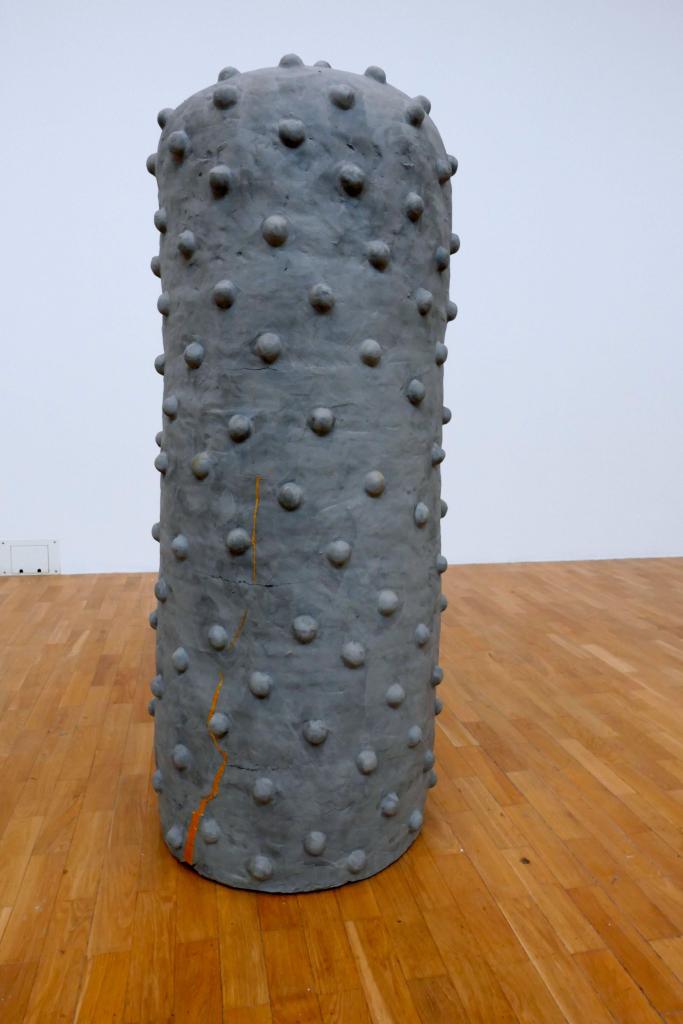
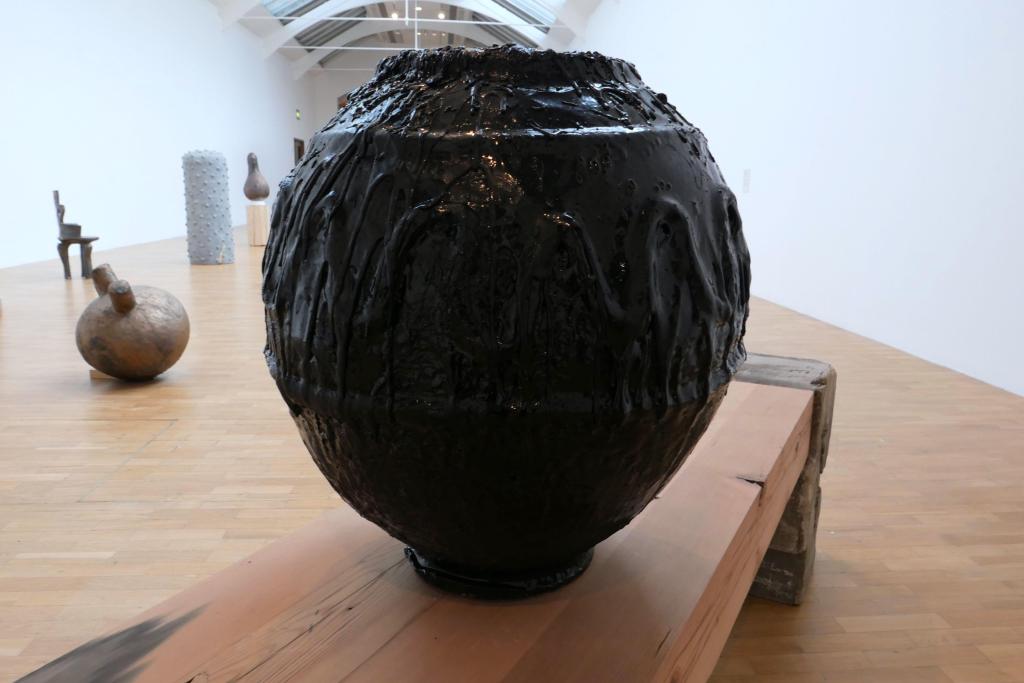
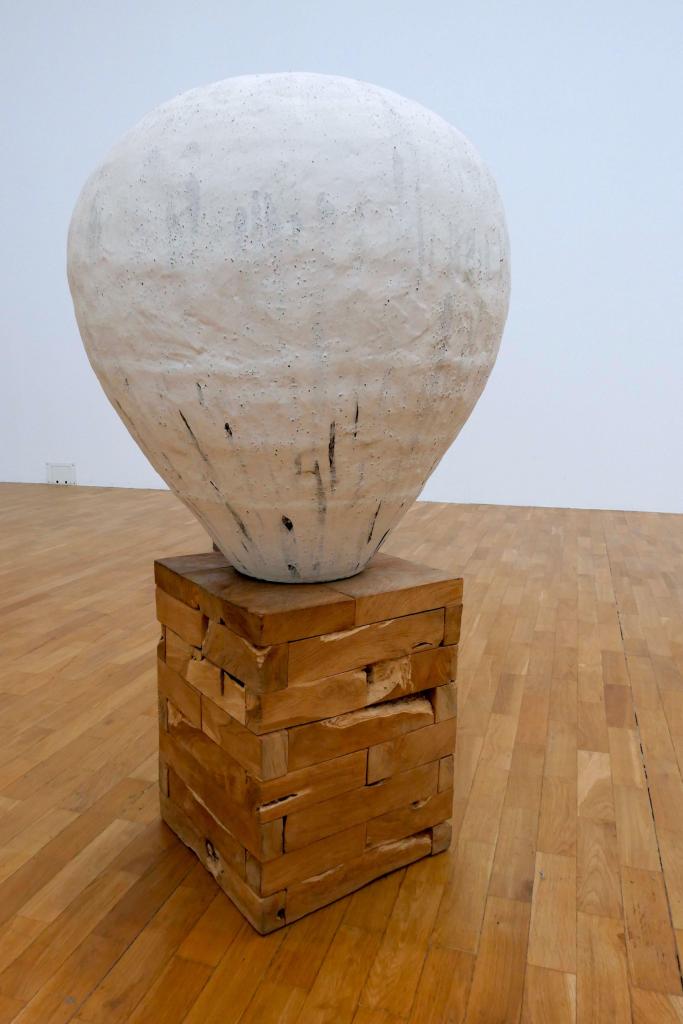
At events where one can witness him as a speaker, Theaster Gates likes to introduce himself with the phrase "I'm a potter". Those who do not take this phrase seriously and dismiss it as mere showmanship prefer to see Gates as the "poster boy for socially engaged art". Then it's all about the material, which is also often about social politics, but by no means about the transcendental character of his work. In German-speaking contexts, especially in connection with the thirteenth documenta, one recalls Theaster Gates. As an exchange project between Kassel and Hugenottenhaus and the 6901 Dorchester House In the south of Chicago, in fact, and as a direct result, a lot of material was moved back and forth in art journalism: building materials, furniture, objects – plus people, concerts, performances. There was not much missing, and the art criticism would have individually appreciated the beams and stones imported and exported.
The Dorchester House is the first example of the transformation process that Gates described as circular economy He acquires a building and transforms it after it has been stripped of its contents. He integrates the materials obtained from the stripping into the art context and thereby appraises them. The profit generated in this way is used to acquire further properties that are again subjected to the process of transformation.
In addition, Gates acquires volumes, such as books, records and slides, and does so preferably when these—integrated into his transformed buildings as publicly accessible collections—serve as testimony to the achievements of African-American culture.
In their interaction, these activities have a strong influence on their surroundings. And in an organized form: Theaster Gates has done this with his Rebuild Foundation a foundation was created whose mission as a non-profit organization is the revitalization of urban "neighborhoods," primarily referring to the predominantly Black and politically neglected neighborhoods of Chicago. For several years now, this has been the backdrop against which Gates has been working as a potter. Before this film, pottery becomes part of a comprehensive work of memory that extends across various aspects of African-American art.
In his "Reflections on Making", Gates describes the qualities he considers necessary to achieve his goals as CEO of Microsoft. Potter To achieve this, one must have a knowledge of the "alchemical possibilities" in nature, a willingness to work hard and to engage in the adventure of experiments whose outcome is unpredictable. All these qualities, which he refers to in the context in which he lists them, the material he uses—the clay, the glaze, and the firing—can be related to the diverse social processes that accompany his work. In speaking of alchemical possibilities, one can certainly assume that the processes he initiates possess something magical inherent in them, but this is linked in a way that an American (and also Protestant) would not be able to do: with a work ethic and a willingness to take entrepreneurial risks. It is noteworthy that this transformation shows contradictory aspects, turning art into real estate, while maintaining the dignity of the art. In Parquet No. 98 Andrew Herscher writes about this: "In this sense, the urban development initiated by artists is at the same time a symptom and a critique of the neoliberal privatization of social welfare; at the same time, it provides an answer to the conditions that have brought about it."
Now if we interview Theaster Gates himself again and again to discuss his "Reflections on making", we can read about it there: they are the African Roots, It is Dave the Potter, These are the African inspirations of artists like Derain and Matisse, and many more, with which Gates has engaged intensively. Alongside these, however, we also find confessions in which he completely abandons any kind of artistic identity politics. For example, when he visits the town of Mashiko, the Home of Japanese pottery art, thinks:
"Eternity is in that land. Eternity is the vessel. Eternity's emptiness is our filling, and the outpouring is the manifestation of the divine. We are saved by our hands and the labor of kin. We carry the marks of the Potter who made us, and every imperfection is yes and amen."
If the question were asked whether her monumental figure "Brick House" could still make a strong impression even if it were only 30 or 40 centimeters high, the answer would have to be "Yes". This is because one has a sculpture in front of them that finds an interesting way to clothe its content in form. Its size makes it easy for the viewer to identify these qualities. If it were smaller, that might not be quite so easy, but even then its outstanding features would still be easily recognizable.
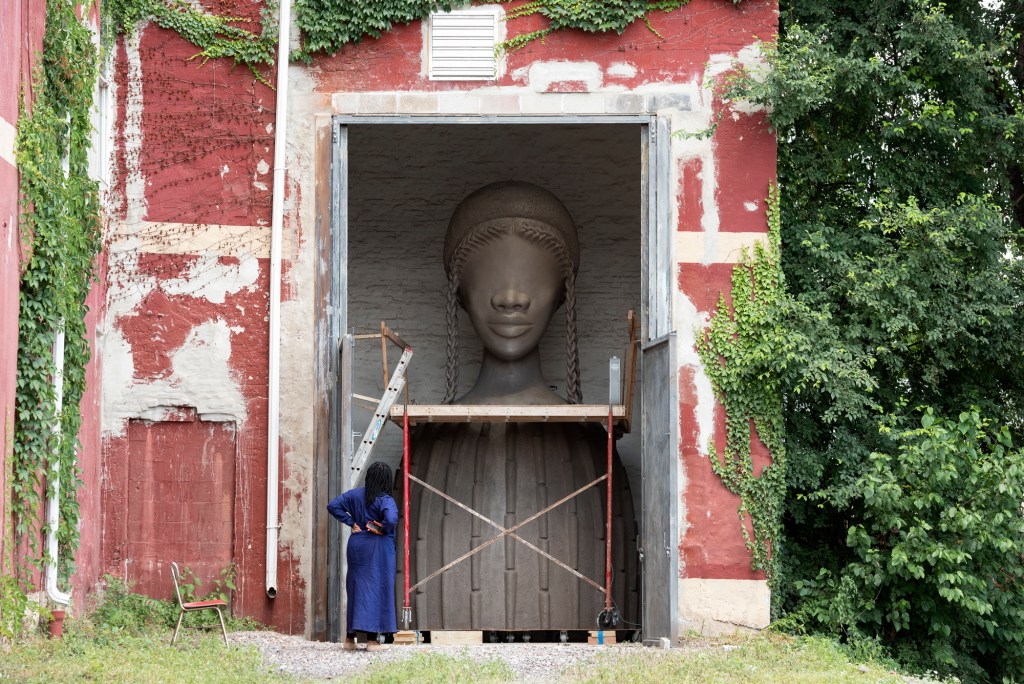
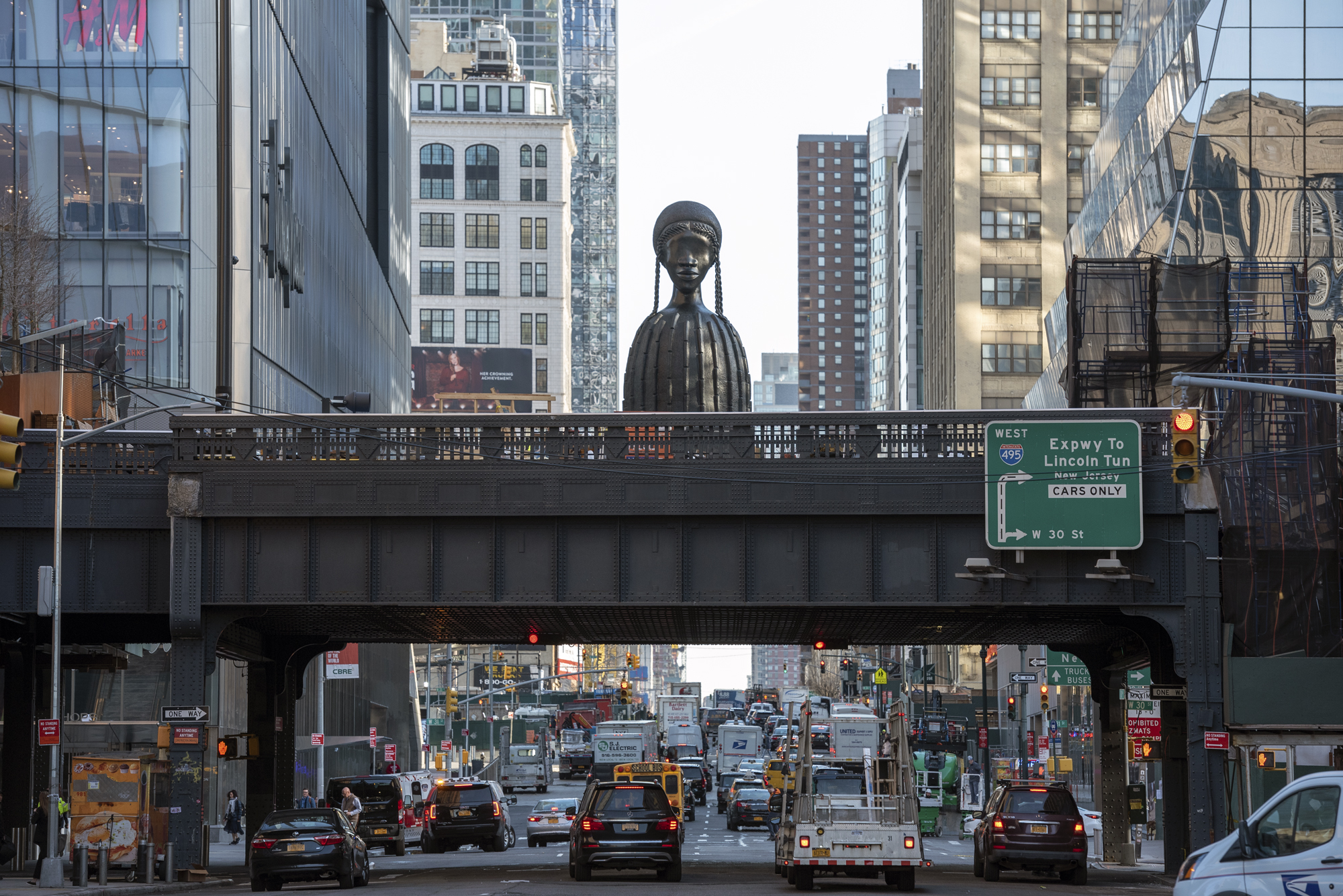
That this sculpture, as Simone Leigh has announced, is meant to be an attack on the hegemony of the West can probably be linked less to its monumentalism and more to the content it is intended to stand for. An attack, then. Okay. Did it cause the Western world to tremble? No, it did not. It would of course be nice if art could do that, but apparently no one has to defend Simone Leigh’s works either; on the contrary: once a certain point is reached, everything is simply embraced. In fact, Leigh has occasionally been accused of being able to assimilate her work without any stomach upset despite the social criticism that she links to her works. For example, on the occasion of the 79th Whitney Biennial, at which the artist participated. It was said about the exhibition that everything was fine, but in light of the "repressive age of Trump" there was a lack of visionary works of art that could help overcome this era.
Leigh responded to this general accusation with a statement on Instagram, in which she described the complex structure in which she sees her work. She concludes that, as long as the necessary experience is lacking, one cannot recognize the radical gestures in her works. In her response, Simone Leigh does not limit herself to the factual level; she clearly shows her anger. In doing so, she sends a signal: Anger is no longer a violation of the rules of acceptable "behavior" for her, but a sign of her own commitment to the cause of equality. Blackness. About this anger, the black feminist activist and poet Audrey Lorde says that it is a strategic response to racism:
"The anger only left marks in my life if it remained unspoken and did not benefit anyone."
Here, with a single sentence, the structure is outlined that determines Leigh's work. Blackness Only one of the terms plays a role here. Race belongs in this context, feminism, queerness, Negritude, Decolonization, Afro-Atlantic Spirituality as well as a whole arsenal of other terms that refer to the artistic and cultural historical African roots of her art. In these contexts, the only mention of Ton as its material is on the margins, although there are numerous works by her that were created from Ton.
Leigh primarily uses this material in her smaller works and, with its help, demonstrates a wide range of forms in which she expresses political content and connects them to one another through the combination of forms. Without explicitly stating this, one can therefore assume that tone is exactly the material that best expresses her position as a black feminist in a racist society. record It can, because sound has always been a raw material of declassed work. Sound is therefore not actually a material of choice, but like with Theaster Gates, the original, inherent material acquired through inheritance, through whose use both artists unite with their culture and their history.

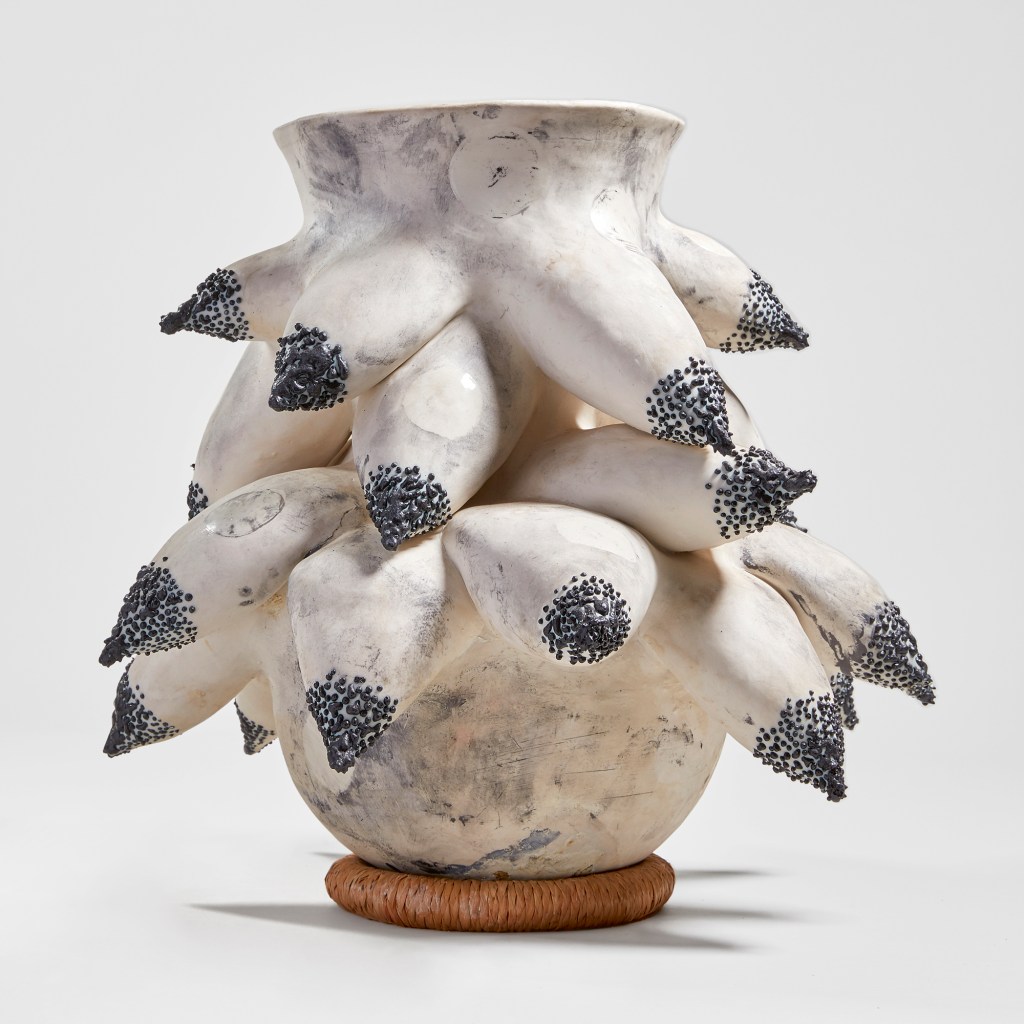

Nevertheless, there is a clear difference between the two artists: While Gates develops his art in a form of circular economy that refers to the African-American neighborhoods of Chicago in order to make them visible and give them new value, Leigh conquers urban space in the spheres that were originally reserved for white culture. Perhaps only against this background can one understand why Simone Leigh turned bronze into clay at some point. There are certainly technical reasons for this, for example the size of her sculpture "Brick House" and the special safety requirements that probably apply to the installation site: "on display on the plinth of New York City's High Line". On the other hand, there are inherent properties in the material here as well: Bronze has been used in Western art history alongside marble. that Material of canonically approved sculpture. And if the canon is something like a fortress, it’s worth conquering it.
Another point that makes him appear different from the others mentioned here comes into play: De Waal’s interest is not in the common tone, but in its aristocratic counterpart, the porcelain. Finally, there is something else: Nothing in his work suggests that he ever intended to become a flag-bearer (or "poster boy") of socially engaged or political art. So, a few questions arise regarding him in our lineup.
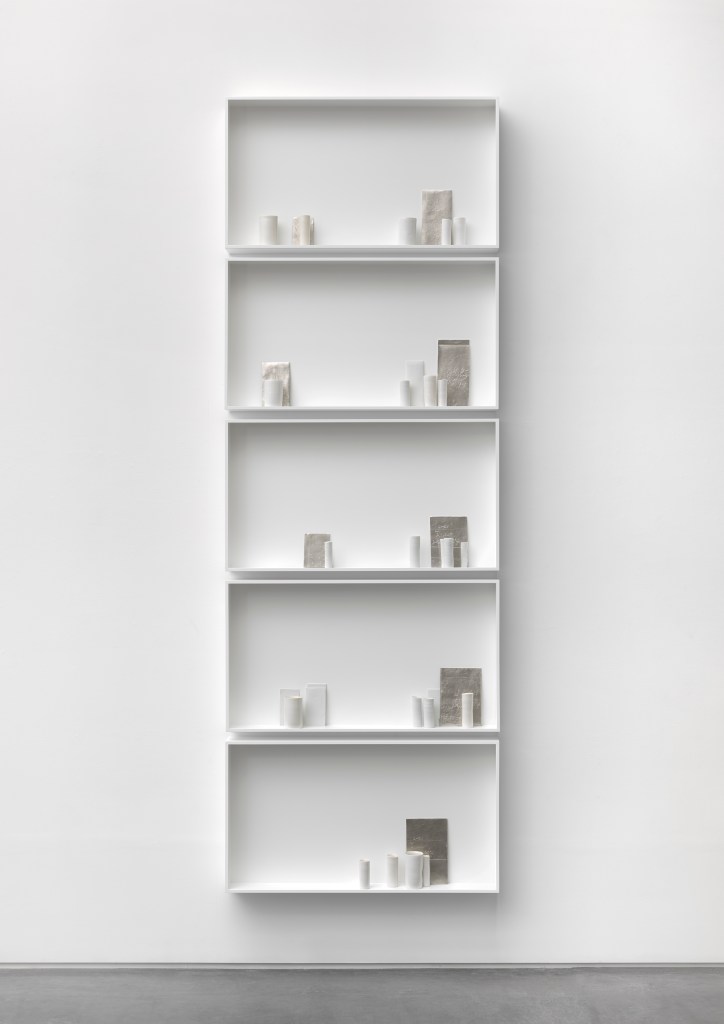
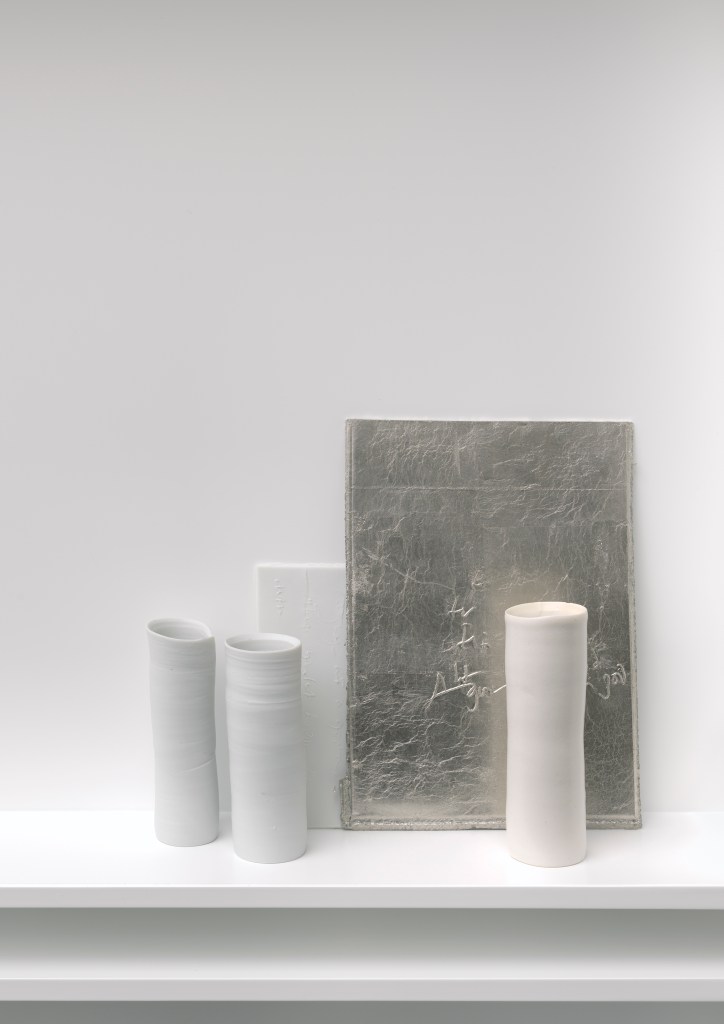
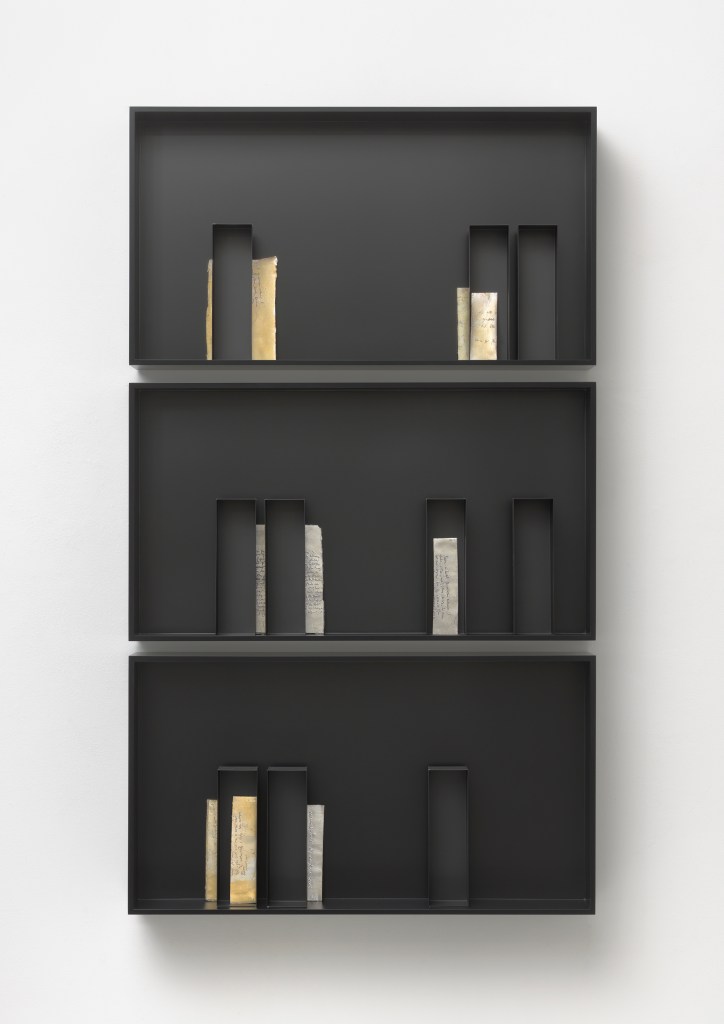
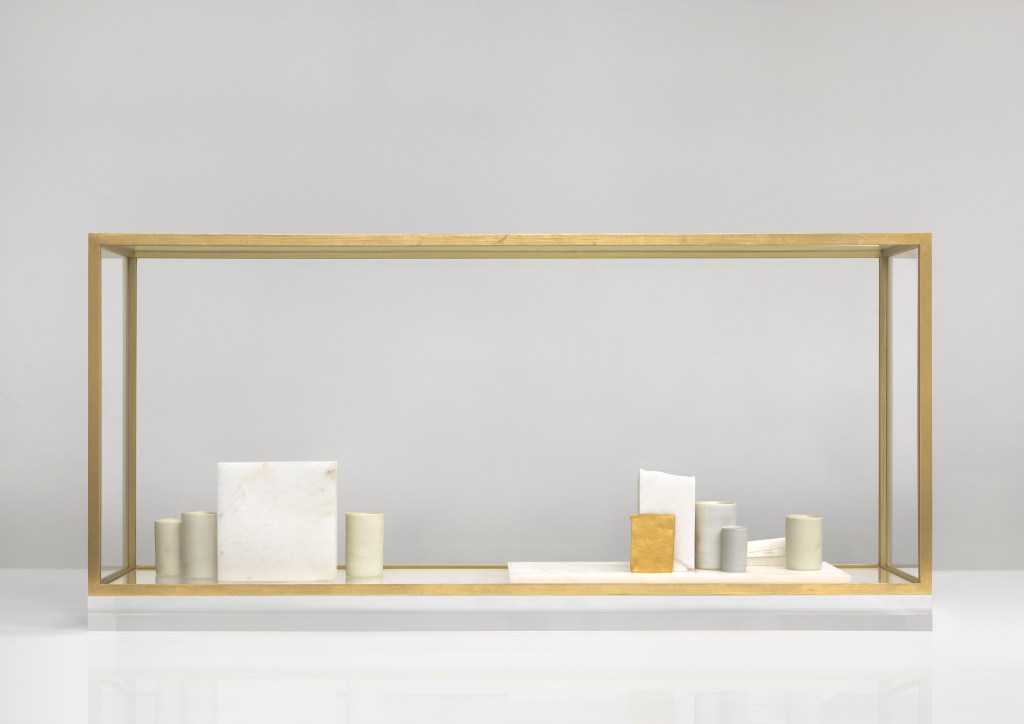
The first part of the story of how he came to the sound can be answered relatively accurately. After all, de Waal published his own testimony. In his book "The White Road" it is stated:
"I was five. My father attended a ceramics evening class at the art school in the town every Thursday and took my two older brothers with him. There you could decorate T-shirts using screen printing or paint art resin images. Upstairs you could draw after nature, a lady in front of a draped red velvet curtain and a plant in a brass pot, or you could go down into the basement to make clay figurines. And I wanted to go down the stairs. After an hour there was a break, a glass of fruit juice and a chocolate biscuit."
We now know the biographical circumstances, but we still know nothing about the personal motivation of the later artist. If we want to get to know him, we have to look a little longer. De Waal often speaks of a Arkanum, By this, however, he means the centuries-long ignorance of the Occident regarding the production of porcelain, and not the riddle concerning his personal motivation.
We need to remember once again why these artists are of interest to us: because the boundary between art and crafts is also at stake here. Is there such a boundary at all? And if so, where does it run? Grayson Perry, Theaster Gates and Simone Leigh have chosen sound as their material because they associate the use of the material with a socio-political position or political message, which is crucial for the fact that, from a historical perspective, pottery was a less valuable activity than art. That is precisely the reason why they identify with this activity, and in a very real sense, in the sense of what is called a "class standpoint". Sound is a material of resistance. That is why sound is their chosen material.
With Edmund de Waal, everything looks a bit different, so one is tempted to say that he is the only one of the artists mentioned here who works with sound for the sake of the sound. But is that really true? In fact, it is the case that for de Waal, the material does not only gain its value by being connected to an idea, but that this connection already exists. De Waal’s books are a clear indication of his need to interpret his work. Not only for his readers, but also for himself. This is done within a clear balance:
"I am a potter," I say when asked what I do. I also write books, but they are porcelain—white vessels—that I claim as my own..."
That the material and the activity associated with it have an explicitly high-ranking position in self-reflection is already known from Theaster Gates, Grayson Perry, and Simone Leigh. This relevance arises from its cultural or cultural-historical significance, which we said was inscribed in the material. This sounds like a fundamental connection, but in fact it only arises through the extensive contextualization practiced by the artists mentioned here. With Perry, it is through his Alter Ego; with Theaster Gates, it is through the circular economy, In Simone Leigh’s case, it is the rhetoric of the struggle, and in Edmund de Waal’s, it is his extensive body of work. Within these various ways of contextualization, the viewer is offered additional material whose materiality is what distinguishes the artists from one another. However, it is particularly clear in the contemplation of one of de Waal’s works that these additions are ill-suited to provide an explanation that is fundamental to the nature of the work itself. It is not only de Waal’s installations that proclaim first and foremost that they forget any kind of functionality to their viewer, but also that, despite the verbose interventions of their creators, they assert their autonomy from any kind of context.
Regarding the pictures and a catalogue – thanks for support to: Whitechapell, Victoria Miro, Max Hetzler, Hauser & Wirth.
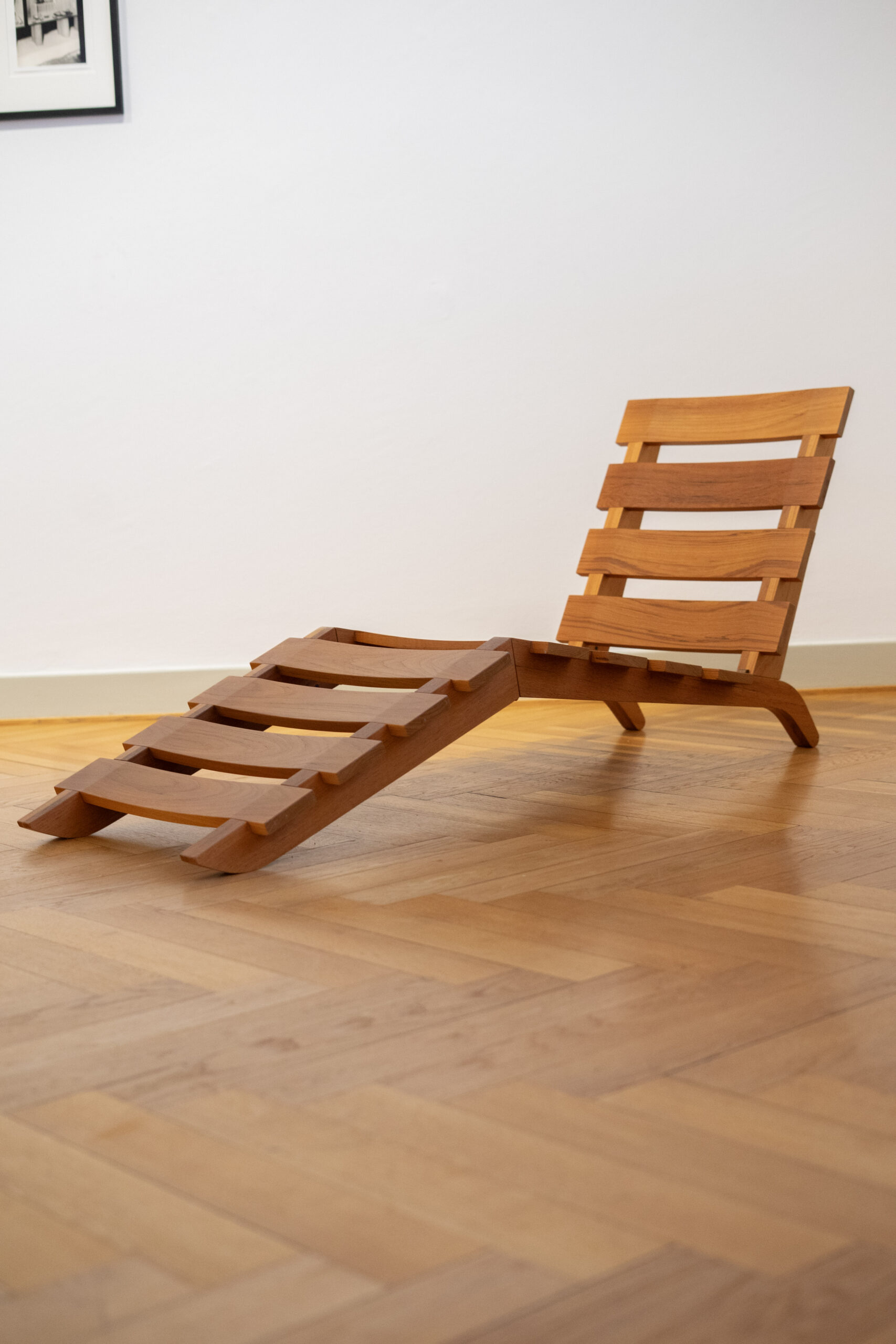
The Kunstmuseen Krefeld are dedicating the first retrospective in Germany to Charlotte Perriand’s multifaceted and astonishingly contemporary work.
 7 min read
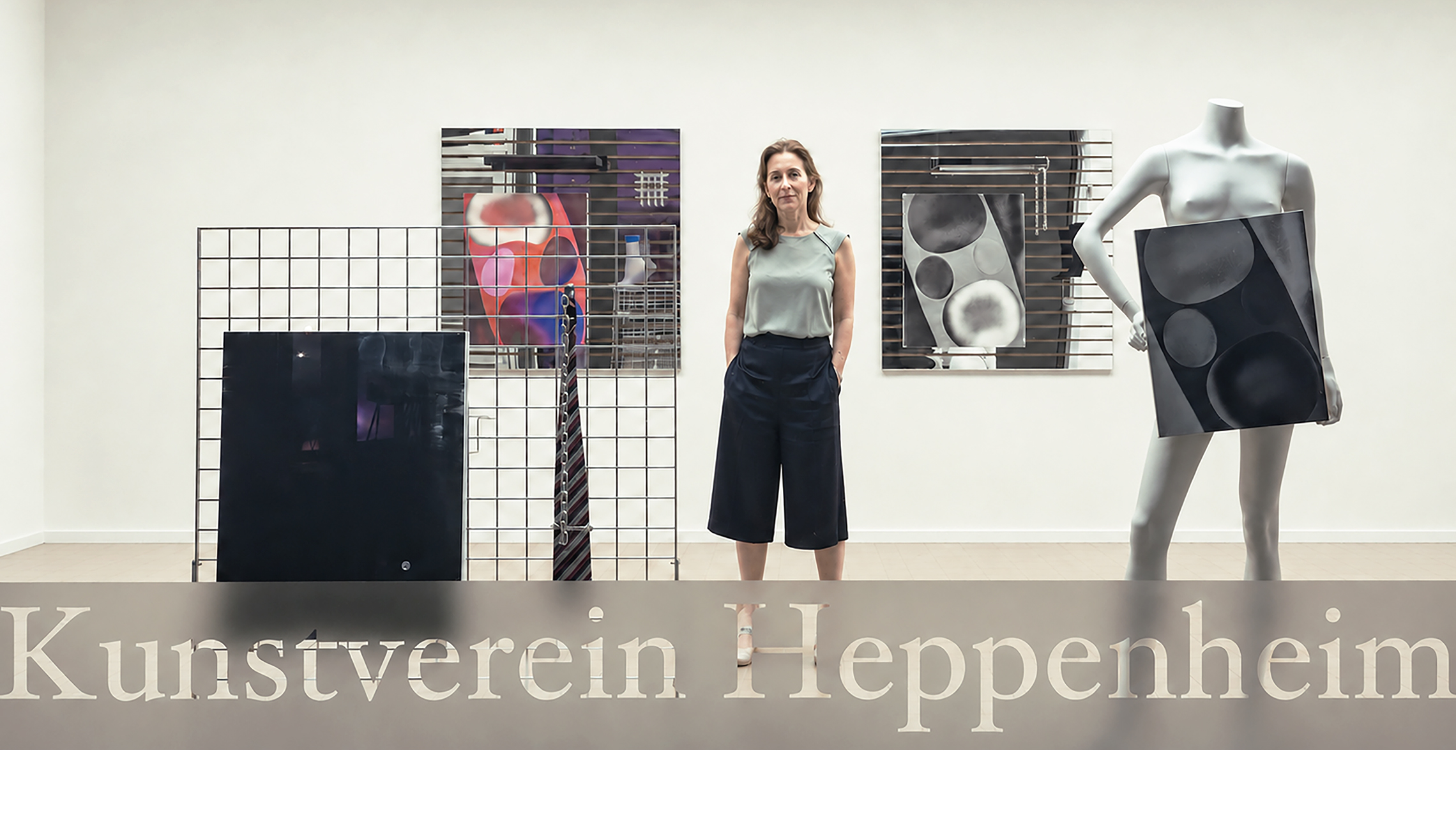
The exhibition "Six Five Four Three Two" featuring works by the New York-based artist Josephine Meckseper at the Heppenheim Art Society.
 9 min read
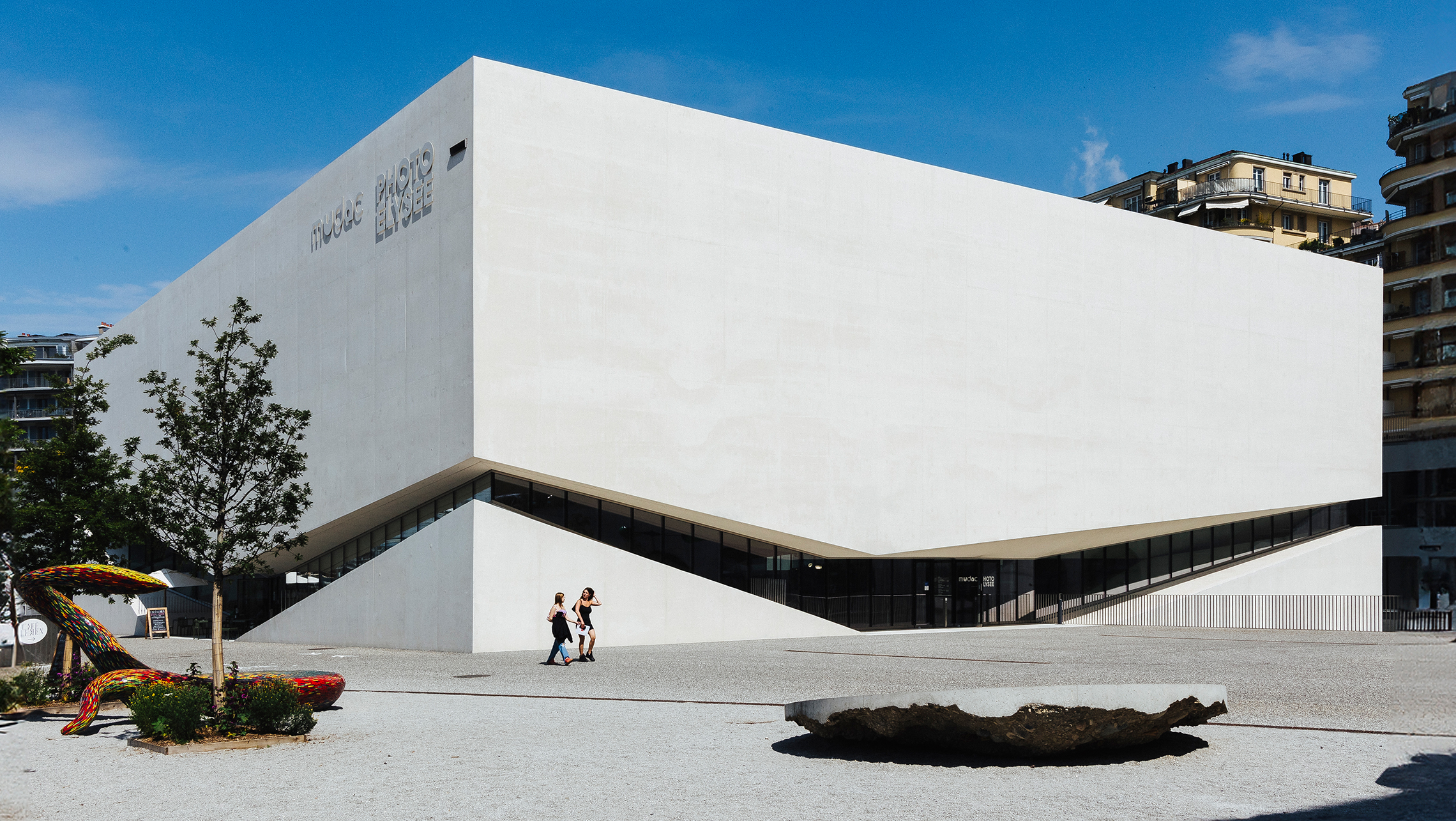
In the new premises of Plateforme 10 in Lausanne, the Photo Elysée Museum can finally unfold its potential.
 12 min read