 8 min read
 8 min read
In 1939, a few months after the victory over the Republicans in the Spanish Civil War, Francisco Franco gave Adolf Hitler three paintings by the Spanish artist Ignacio Zuloaga (1870-1945). The gift was a sign of his recognition for the dispatch of the Condor Legion, the German air force unit, which not only devastated Guernica but also contributed significantly to the victory of the Nationalists under Franco. That Zuloaga, after having welcomed the founding of the Second Spanish Republic in 1931 and sympathized with the Republicans in 1936, switched to the Nationalists in 1937, played into Franco’s hands. Zuloaga had made a name for himself as an artist of the Spanish people’s spirit. Now he could be absorbed as court painter of the regime.
However, Zuloaga's art can hardly be neatly subsumed under the nationalist ideology. Quite the opposite: Zuloaga's earlier subjects are less conformist to the regime. For example, he was interested in the marginalized members of society, portrayed anti-heroes and outsiders, and served the image of the passionate, self-confident Spanish woman, as Prosper Mérimée described it in his novel Carmen He drew and the Nationalists absolutely rejected it. How could it, however, have led to the appropriation of Zuloaga's work by the fascists?
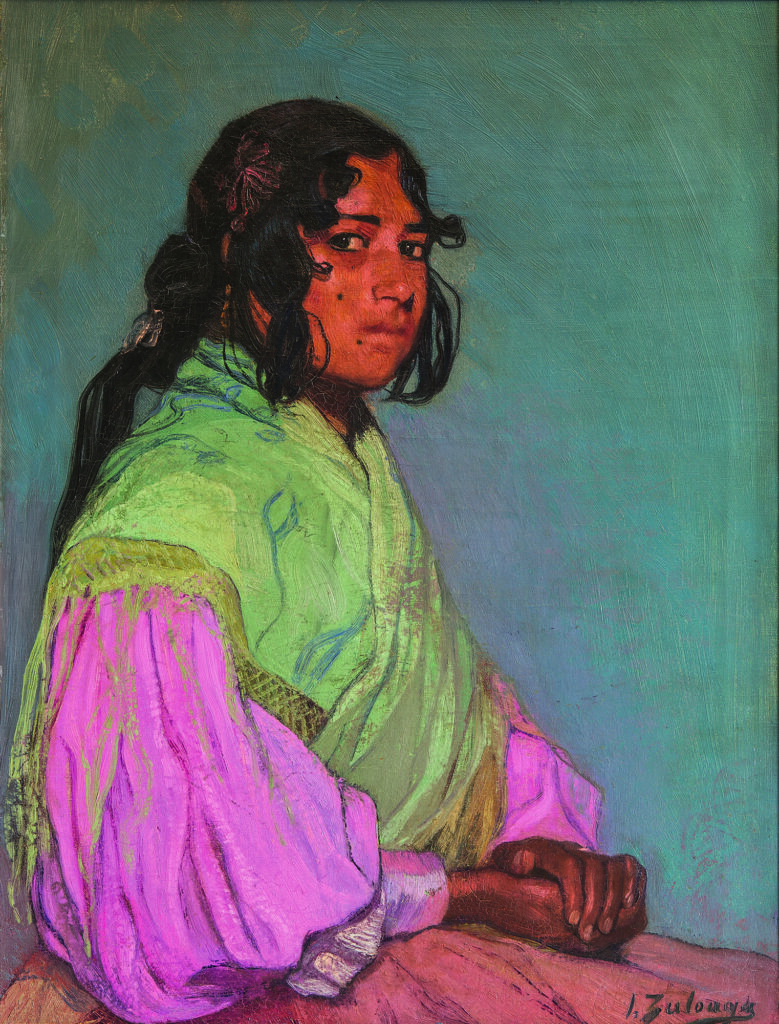
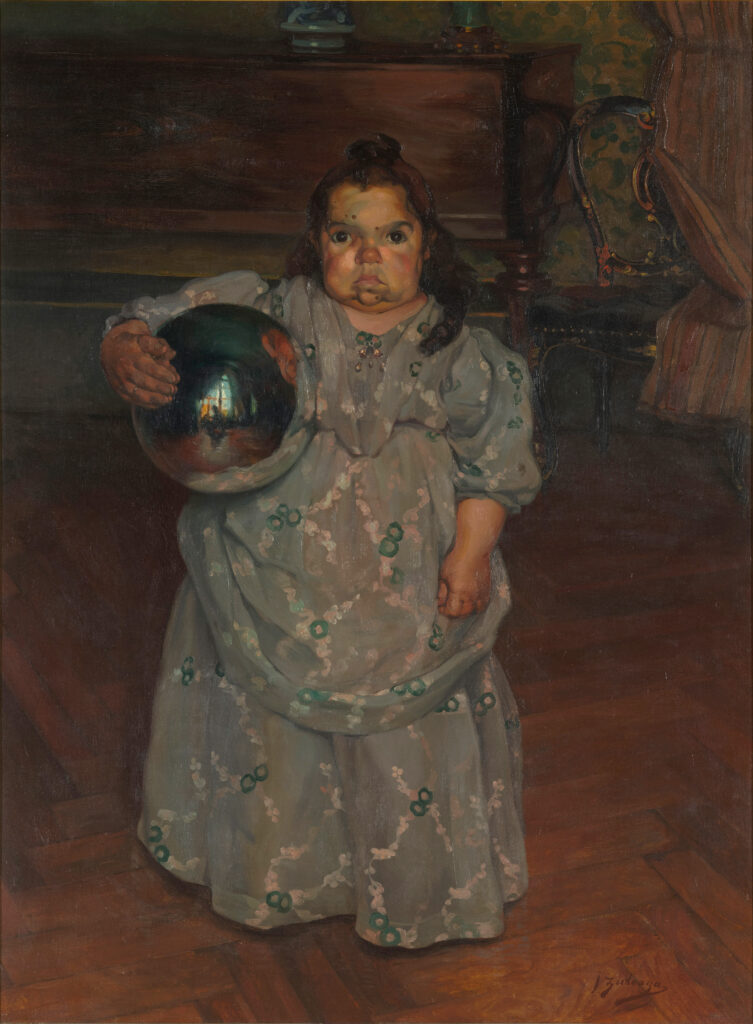
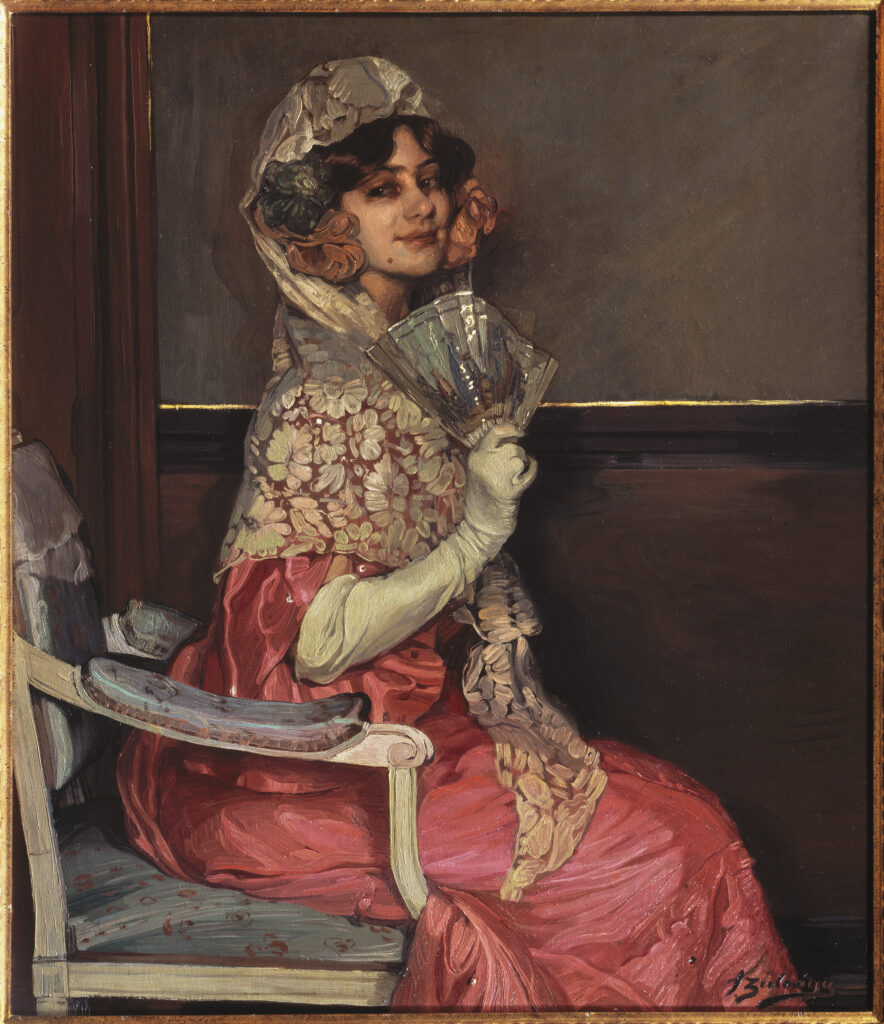
The fact that Zuloaga recently sided with the fascists significantly influenced the reception of his work in the post-war years and led to his art and the great international influence it exerted among contemporaries being overlooked. An exhibition project that was first shown at the Kunsthalle Munich and is now on view at the Bucerius Kunst Forum in Hamburg is dedicated to this almost forgotten artist outside of Spain. Around 80 paintings, mostly large-format works, from over 30 collections in Europe and North and South America were gathered together to provide a multifaceted overview of his entire oeuvre.
Like numerous artists of his generation, Zuloaga also began his career in Paris. Here he found his subjects in the lower classes and simple types of the street: the streetwalkers, the wandering musicians, the pickpocketers and prostitutes. In particular, the milieu of prostitution was to remain a popular subject for him beyond his early years – certainly not least because he was able to provoke and attract attention to himself with this world behind the curtain of the fine society in the Parisian salons.
After the Low and Abysmal were discovered by Edouard Manet or Charles Baudelaire in the mid-19th century as the subject of art and literature, the figure of the prostitute became a central subject of the emerging Modernism. Henri de Toulouse-Lautrec, Edgar Degas, Vincent van Gogh or Félix Vallotton were just some of the artists who devoted themselves to the subject. Like his fellow artists, Zuloaga depicted women strolling or sitting in cafés with subversive signs – red clothing, dark-framed eyes as a reference to the enjoyment of absinthe, etc. – that were easy for the contemporary viewer to decipher. Although provocative, Zuloaga was very much in step with the times. However, for the wider international audience, he was less concerned with the themes of the artistic metropolis of Paris than with images of the traditions and folklore of his homeland Spain.
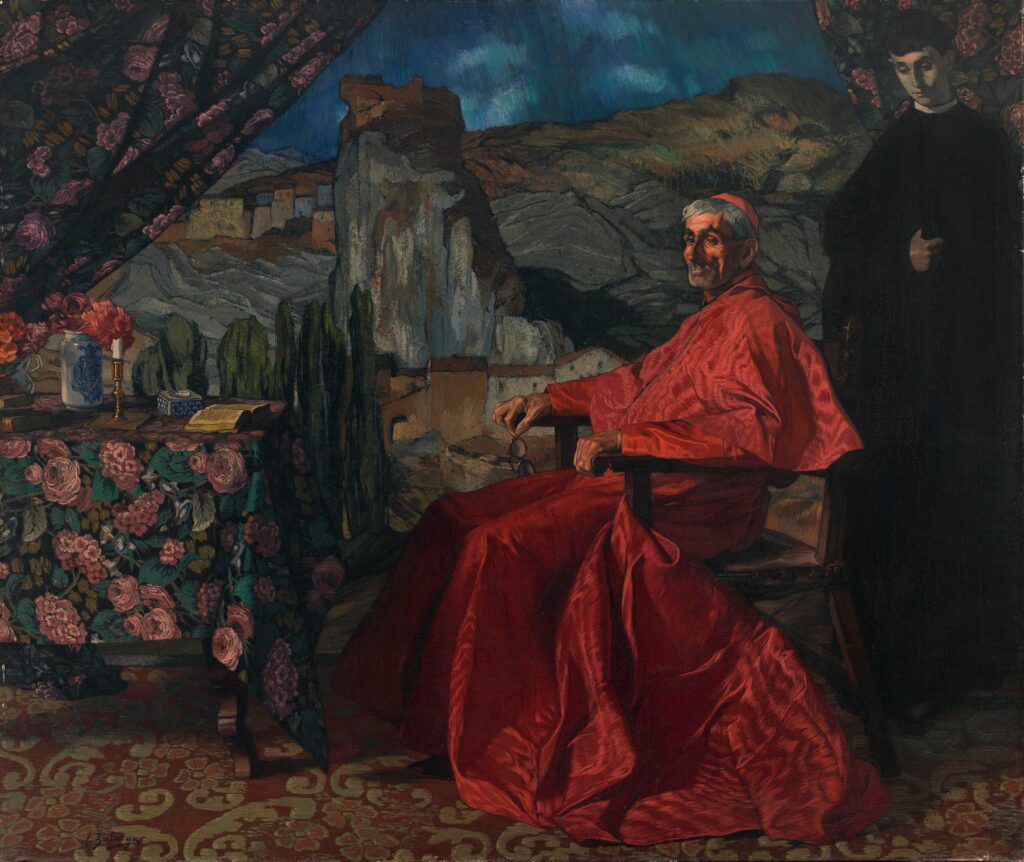
When the artists with whom he had become friends, Paul Gauguin and Émile Bernard, finally parted ways in the mid-1890s to immerse themselves in the foreign cultures of Tahiti and Egypt in search of the original and the primitive, Zuloaga set out to encounter the indigenous people in their own country. The goal of his journey was initially Seville in the south of the Iberian Peninsula, where he moved among the Gitanos, the Spanish Roma, and even joined them in the Escuela Taurina He trained the Torero. The Andalusian rural population, the culture of the Gitanos, the bullfighting and also the (Flamenco-)dance established themselves here as a permanent part of his image repertoire.
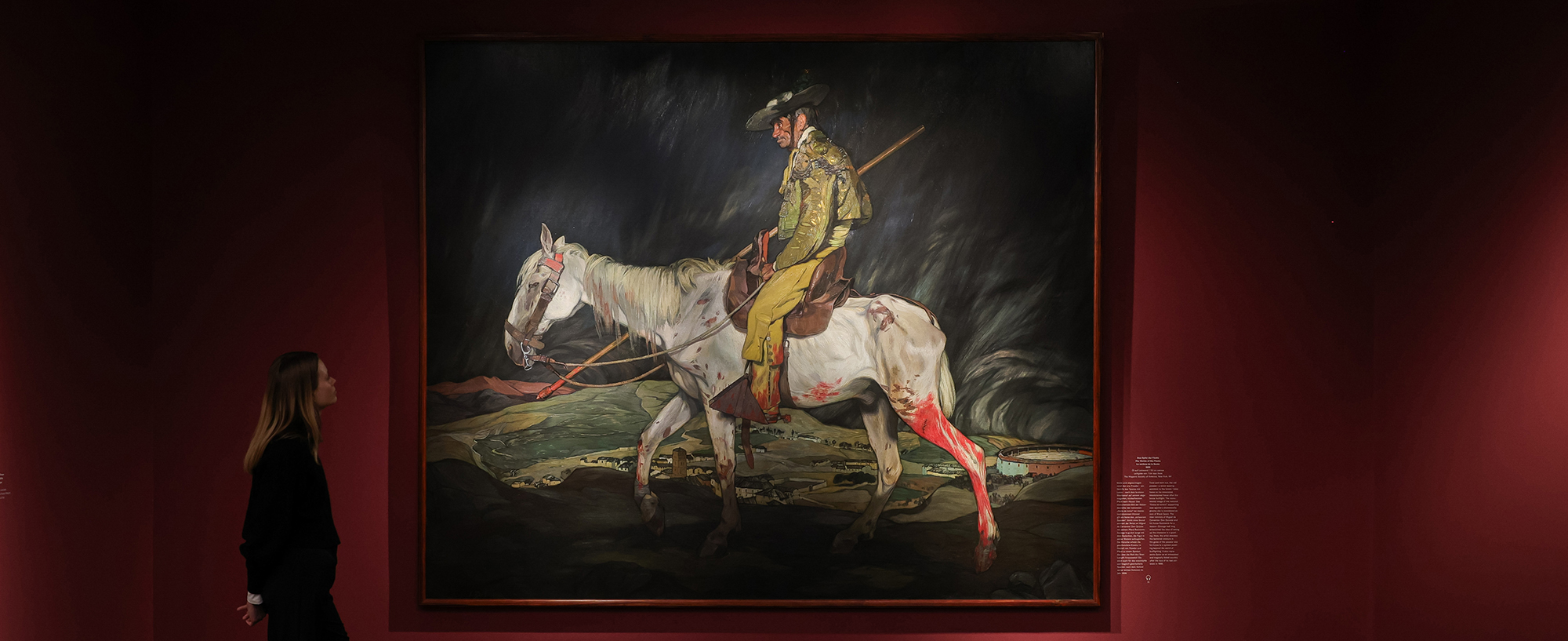
In 1898 Zuloaga then moved to his uncle Daniel Zuloaga in Segovia, a city in the 'Spanish' Castile. Struggle for existence, mystical religiosity, superstition and customs characterized this old Castilian Spain for the artist and his present. And so those images of a dark, black Spain, a Spain of Black Spain, Scenes of simple peasants with ragged clothes and grim features, of religious penitents, ascetics and penitents, of dwarfs and witches, of barren and gloomy landscapes or of antiheroes such as the Picador with a starving, bleeding horse in his arms. The victim of the Fiesta (1910) show and became the style defining for the following generations of Spain.
Zuloaga broke with the ideas of Spanish Romanticism and the lightness of spirit that were projected onto the countryside by outsiders and travelers in the 19th century, and continued to serve his competitor on the international market, Joaquín Sorolla. To create a counterpart to picturesque Spain, Zuloaga drew on and, in a sense, joined the tradition of the more serious and tragic painting of the Spanish masters El Greco, Diego Velázquez, and Francisco de Goya. His veneration of El Greco, rediscovered by art history around the turn of the century, found expression through the acquisition of several paintings. For Goya’s memory, he worked to establish a museum in his birthplace in Fuendetodos. Works such as The Anachoret (1907) or The petite Doña Mercedes (1899) also draw direct reference to the painters of the Siglo de Oro, El Greco and Velazquez.
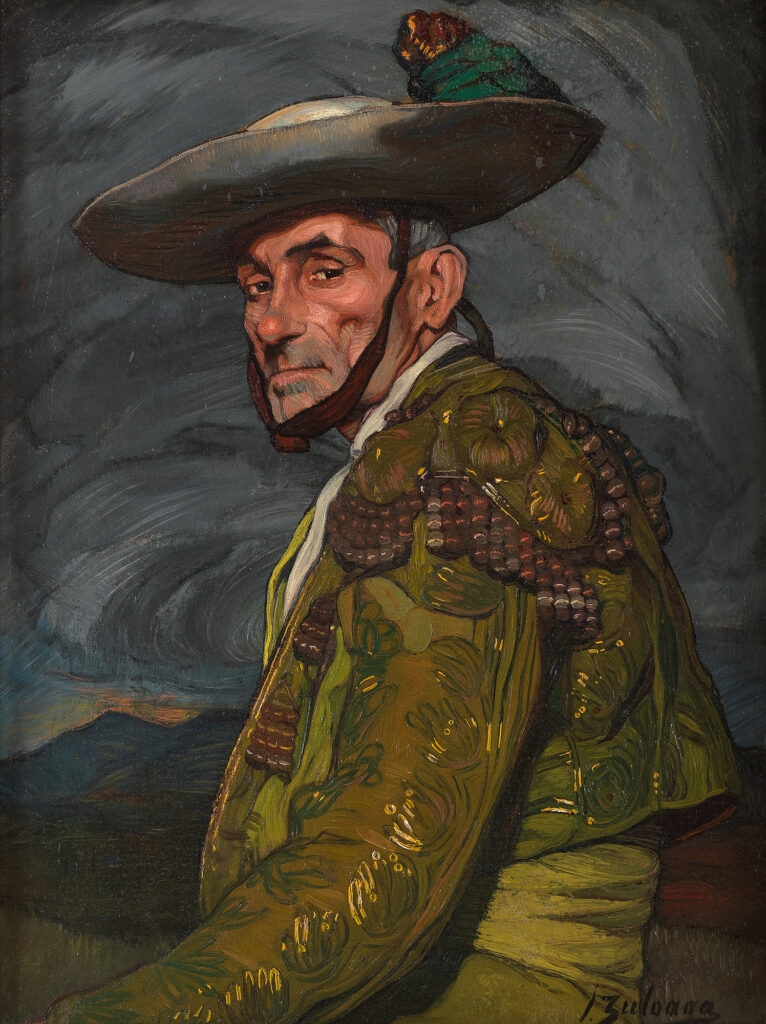
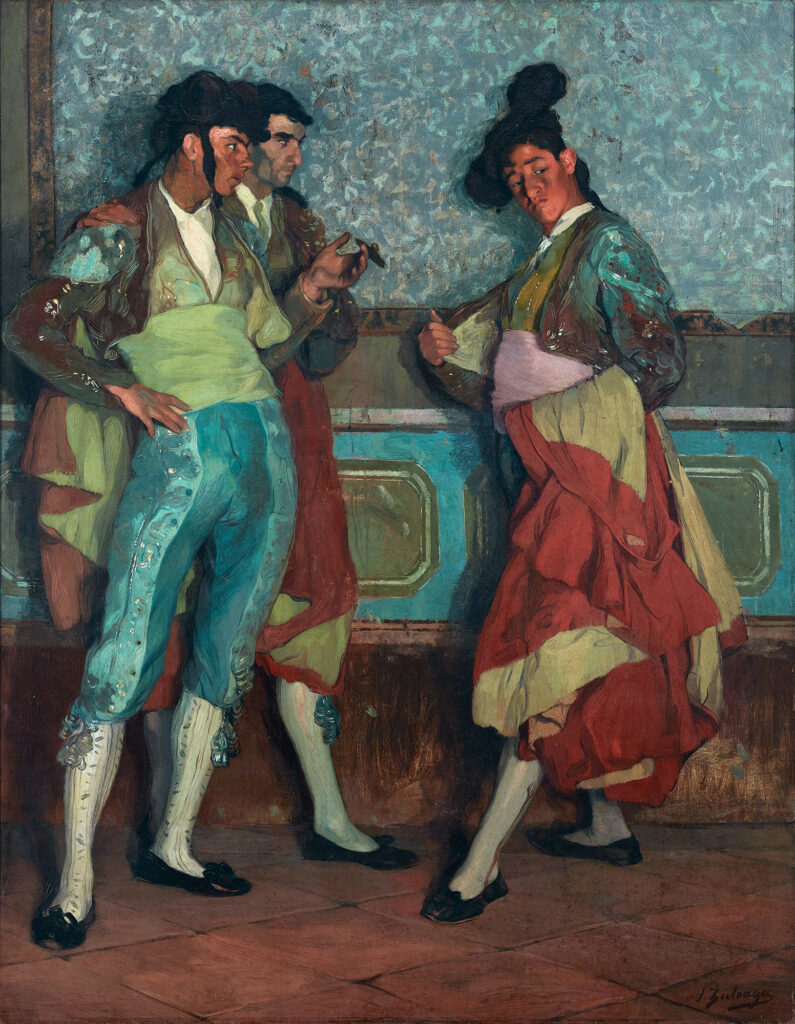
Above all abroad, Zuloaga was able to celebrate rapid success with his paintings of Spanish types, scenes, and landscapes. The foreign observers saw in them the essence of a folk soul that, for the alien eye, also seemed extremely exotic and representative. Ideologies of race and national identity that were becoming more popular played a role in this success. The increasing popularity of ideologies of race and national identity contributed to this success. Zuloaga’s paintings were already dedicated to a separate room at the International Art Exhibition in 1904 in Düsseldorf. In Spain, however, the artist was long denied recognition – only in 1926 was an individual exhibition held in Madrid. Here, they resented the backward and ethnically marginalized image that Zuloaga presented of his homeland. Thus, a widespread and prolonged debate soon broke out over Zuloaga’s art, in which one debated the The Zuloaga question They argued about whether the artist showed the true and authentic Spain or provided a stereotypical, shaped by a foreign perspective image.
Zuloaga himself answered in 1914 in an interview in a Parisian newspaper: "I am Basque by birth, […] but with blood and soul I am a Spaniard and an old Castilian." And I am so proud of it, with fanaticism but also with pain. For my personal Spain is not the one that my compatriots are proud of: it is not the Spain of Barcelona, Madrid or San Sebastián... It is the homeland of Cervantes, the barren and pale Mancha, red and black, it is the rough and desolate Segovia, Toledo, which resembles a queen in exile, standing upright between ruins; it is the Spain for which we are ashamed in our own country, the poor Spain of faith, of supplication, of a strict and gloomy character; it is the race that has given rise to the tragic greatness of our history..."
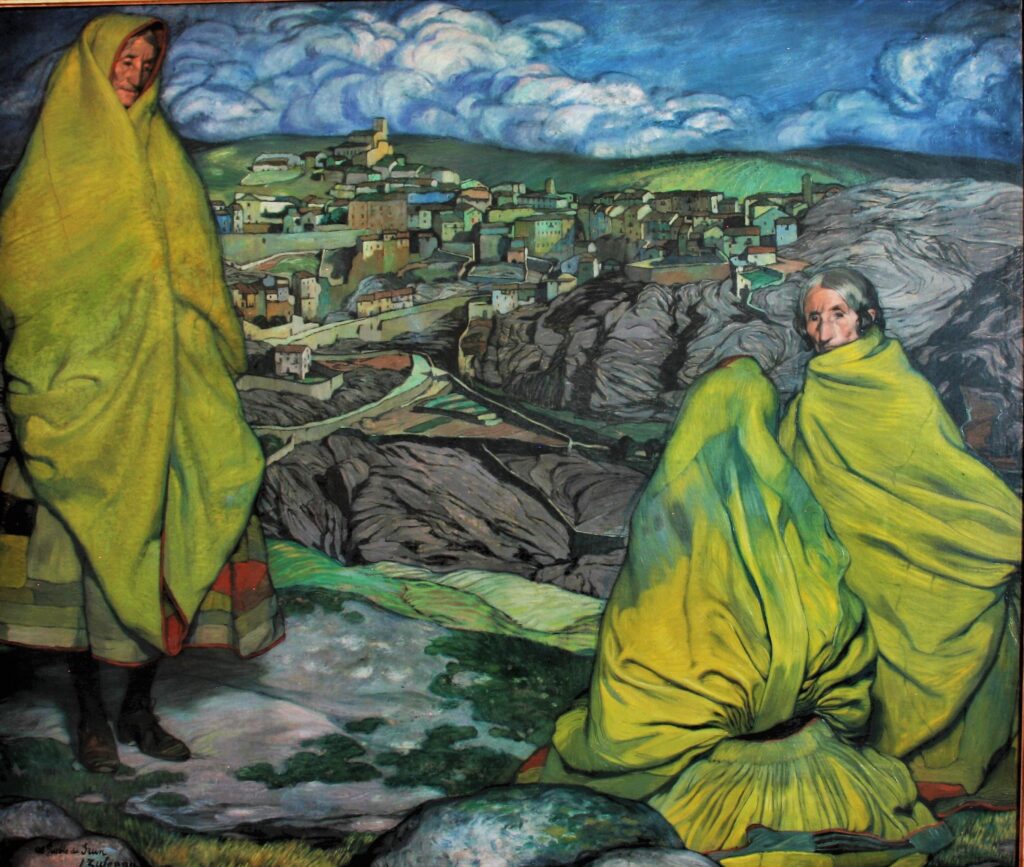
It is significant that Zuloaga, with his interest in the tragic, the lowly and the marginal, as well as with his expressive style of painting, both enthused the Modernists and found resonance in circles with a populist-nationalist bent, such as those with a nationalist-nationalist bent. Such ambivalences eventually led to Francisco Franco instrumentalizing the artist and his work. Above all, the depictions of the rural population and the peasantry, in harmony with their surroundings, provided the Nationalist anti-modernist ideology with a boost.
Not by chance, Zuloaga portrayed the right-wing, Hispanic-oriented French writer Maurice Barrès in 1913 before the backdrop of Toledo, embedded in the landscape. Barrès was considered the pioneer of French nationalism and also promoted a deep connection between the French people and their land. The German equivalent was the blood-and-soil ideology of the National Socialists, with which a peasant society was to be founded in a very similar way.
The three paintings that Franco Hitler gave as a gift were, in keeping with this ideological mix, those of a Spanish peasant and of Spanish women dressed in national costumes. The painting has so far been definitively identified. Spanish Maja (1939). It is no surprise that Zuloaga is now in fascist Spain with the May – the Andalusian woman with her folk-style clothes and manner – drew on a pictorial archetype that had actually been replaced by that of the Gitana in the mid-19th century.
When considering Zuloaga’s work, career, and reception, it becomes clear how closely Modernism and nationalism are intertwined; that it is nuances that separate the avant-garde from the reaction. Neither the traditionalist and nationalist perspective nor the modernist perspective are able to adequately represent Zuloaga’s art. It moves in the middle ground and sometimes in gray areas. The exhibition The Myth of Spain. Igncaio Zuloaga 1870-1945 It would be good to rediscover the artist, to show the ambivalences of his art, and to follow the myths surrounding the image of Spain. It would have been desirable not to dismiss the last years of his creative life as unrepresentative, but rather to make the connections more visible.
The Spain Myth. Ignacio Zuloaga 1870 – 1945, 17.2. – 26.5.2024, at the Bucerius Art Forum, Hamburg.
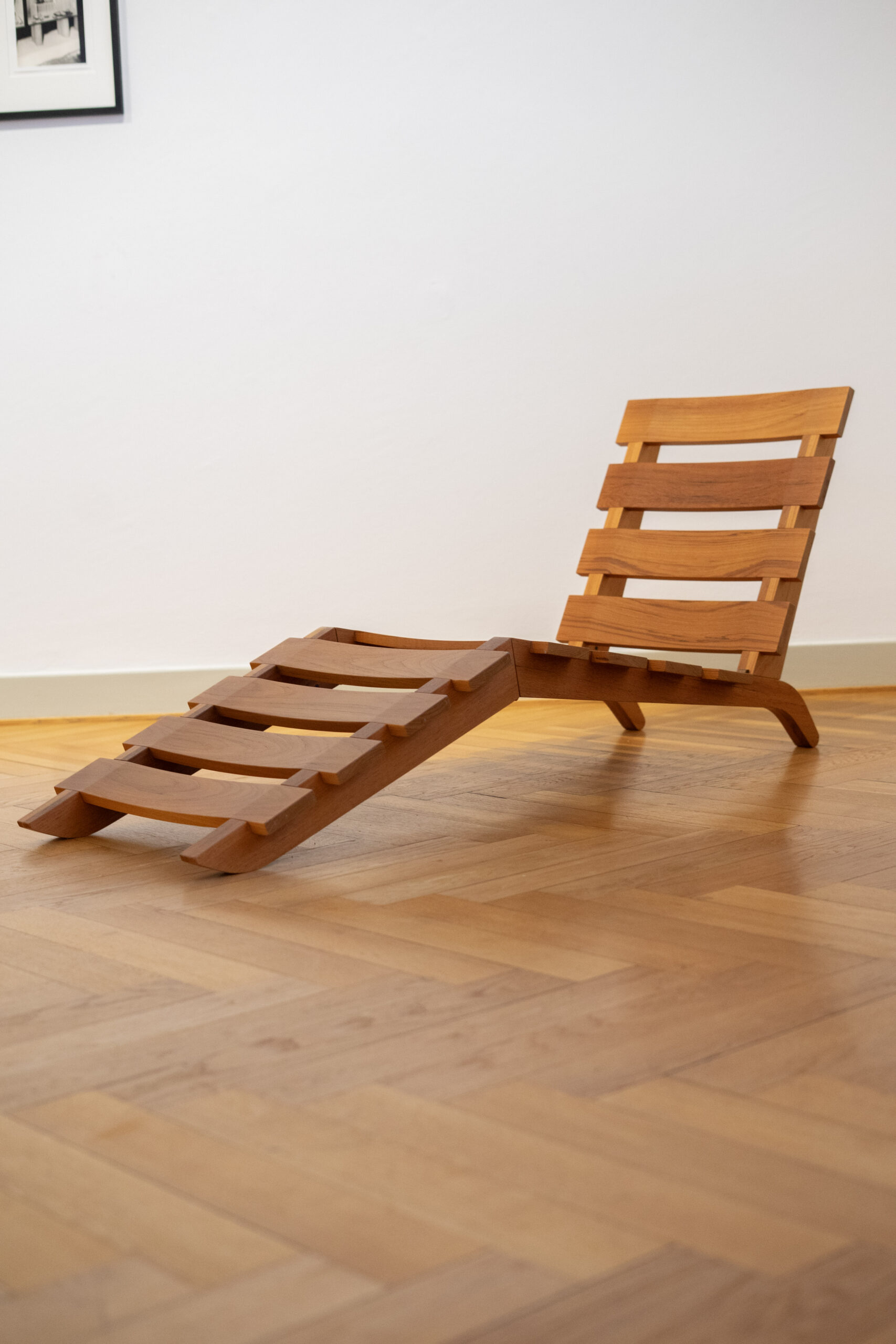
The Kunstmuseen Krefeld are dedicating the first retrospective in Germany to Charlotte Perriand’s multifaceted and astonishingly contemporary work.
 7 min read
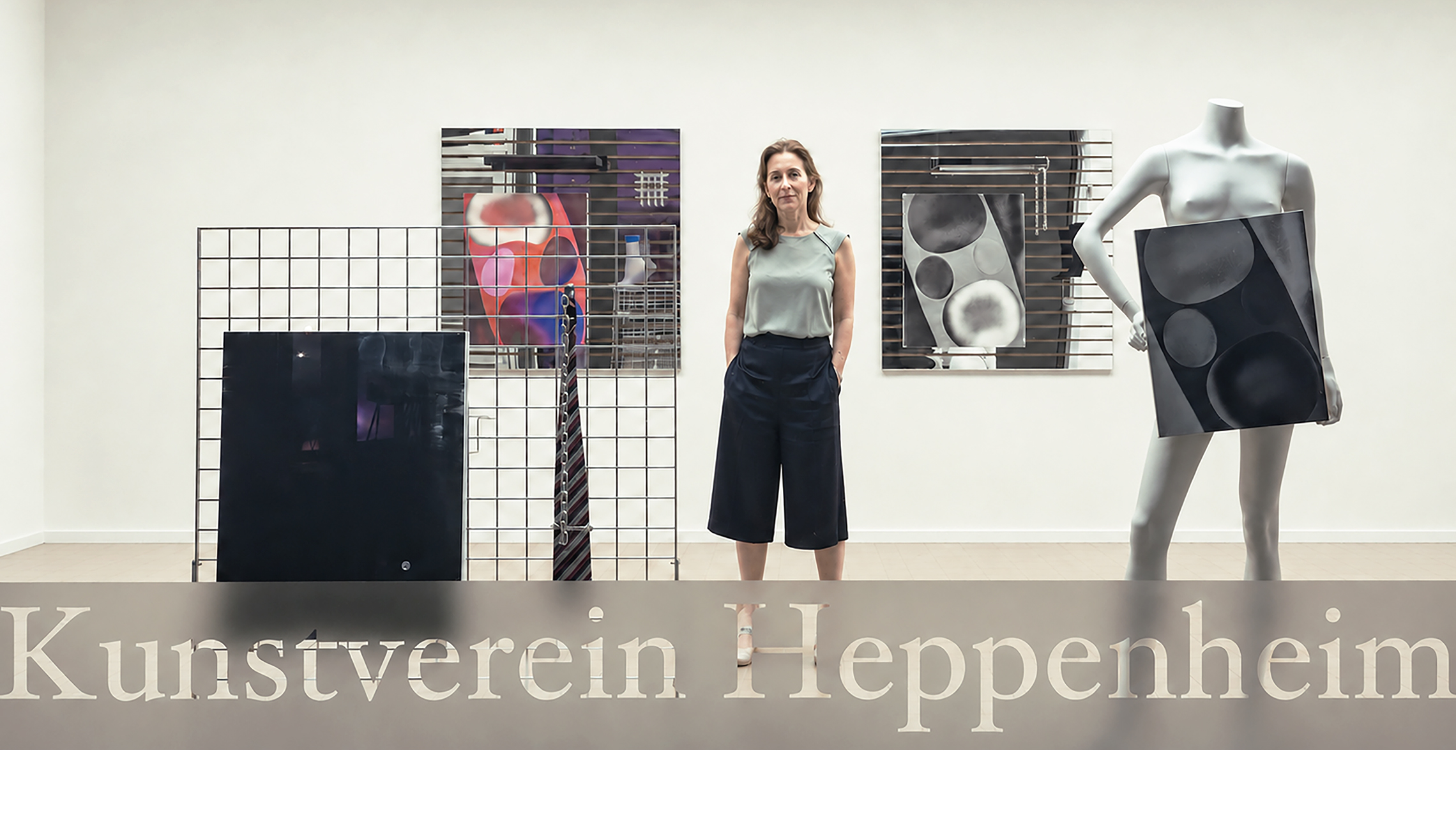
The exhibition "Six Five Four Three Two" featuring works by the New York-based artist Josephine Meckseper at the Heppenheim Art Society.
 9 min read
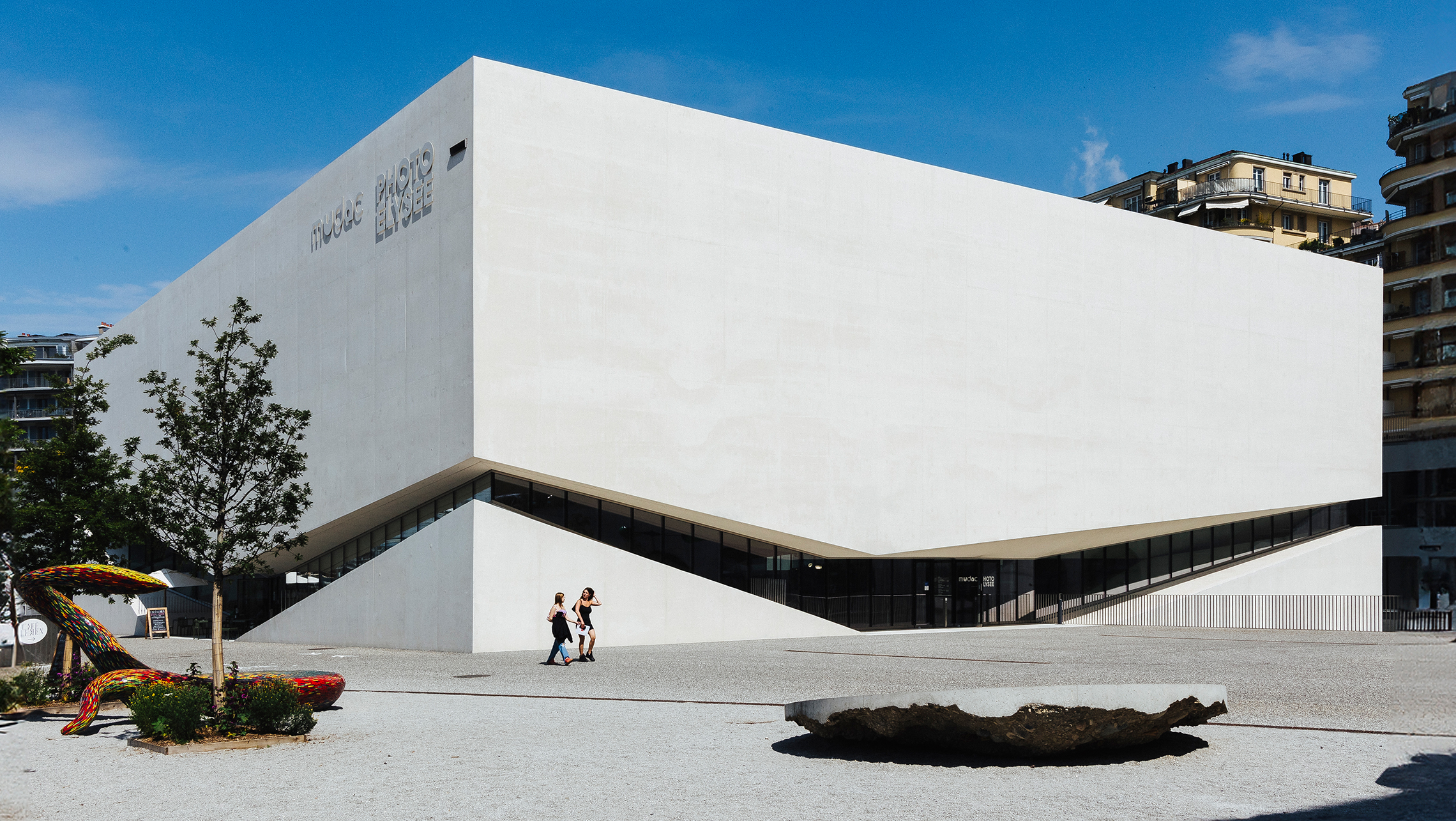
In the new premises of Plateforme 10 in Lausanne, the Photo Elysée Museum can finally unfold its potential.
 12 min read