 9 min read
 9 min read
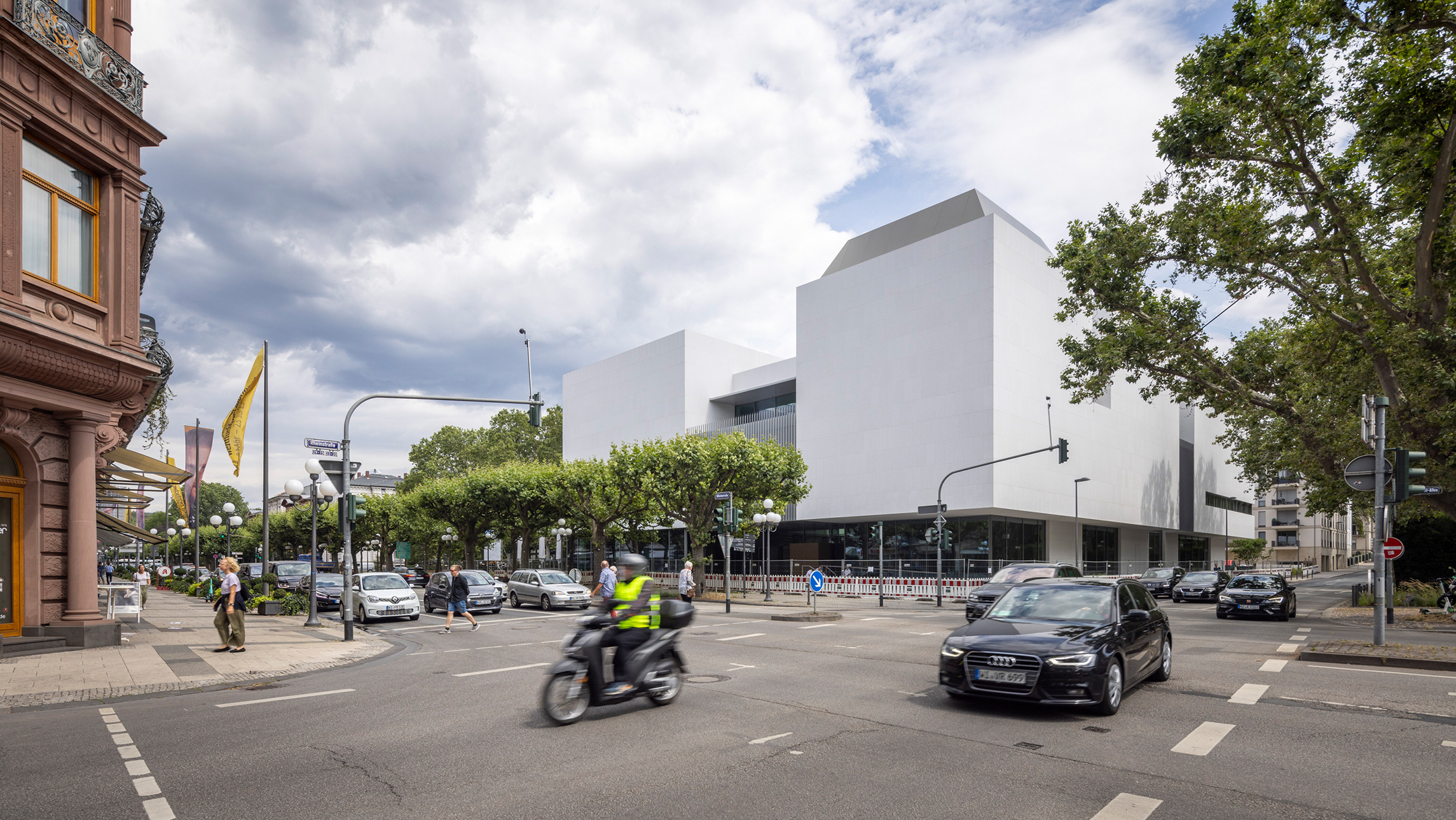
"Sugar cubes," say the people of Wiesbaden. The Reinhard Ernst Museum is clad in white granite. Yes, granite is not always black; however, the stone from Vermont had to be shipped across the Atlantic. A white cube, a White Cube, if there ever was one. "White is best suited to highlight colors," notes museum founder Reinhard Ernst. White Cube, Sugar Cube.
Reinhard Ernst found his way to art on his own. While on a business trip in Paris, he had time to stop by and went to the Musée Picasso: The beginning of a passion. Unlike other collectors, however, he did not rely on advisors or gallery owners. And he focused entirely on abstract art: "The art of children," he says. Perhaps because it requires no previous training and is immediately accessible, free of cultural baggage. But he also has a thing for children. The foundation that runs the museum has already established a music school and states on its website: "Bringing abstract art closer to children and adults – that is one of the goals Reinhard Ernst pursues with the construction of a museum." A creative space, the color laboratory, awaits children and young people just behind the reception, behind a colorful glass wall by Katharina Grosse.
Behind Reinhard Ernst lies a life as a successful entrepreneur. Otherwise, he would neither have founded the Reinhard & Sonja Ernst Foundation with his wife twenty years ago, nor have been able to pay for a museum worth 80 million euros out of his own pocket after selling his shares. The history of his company Harmonic Drive It all began in 1968: Ernst invited his future wife to the restaurant of the Henninger Tower, a distinctive, mustard-glass-like establishment overlooking the beer silo of the brewery in Frankfurt-Sachsenhausen, on the occasion of their engagement. An Asian and an American were waiting for a table. Ernst and his fiancée invited them to sit down with them. They struck up a conversation. The two wanted to establish a European branch of a special gearbox manufacturer in Germany, which would then have its first spectacular use in the Apollo space program’s Moon car. Ernst was involved from the very beginning and acquired the company in 1981: in 2017, when he sold his shares, it became a global player with an annual turnover of 92 million euros.
What Ernst collected also has to do with his company, which was active not only in Germany but also in the USA and Japan. In all three countries, Ernst acquired art. This is what makes his collection special, according to Christoph Zuschlag, professor of modern art history at the University of Bonn. Initially, he collected only for himself. Only when he realized that his own rooms were no longer enough did he think about how he could make his collection accessible to the public. At first, he intended to donate it to an existing museum. But the depots of public institutions are full; there is no space for large-scale works, even in the exhibition spaces. So the idea of a separate museum matured. Ernst asked in Limburg where Harmonic Drive Its seat is in Wiesbaden. However, the city declined. Wiesbaden seemed more accessible, but wanted to make sure that the collection was truly museum-worthy. Zuschlag agreed, at least for half of the total 2000 works. In Alexander Klar, now director of the Hamburger Kunsthalle, which was at the time the Wiesbaden Museum opposite, Ernst found a supporter. In a public consultation, the majority spoke in favor of the museum, as did the mayor and the city council. Ernst now receives the city property in a lease for 99 years for a symbolic price of one euro. The operating costs are covered by his foundation.
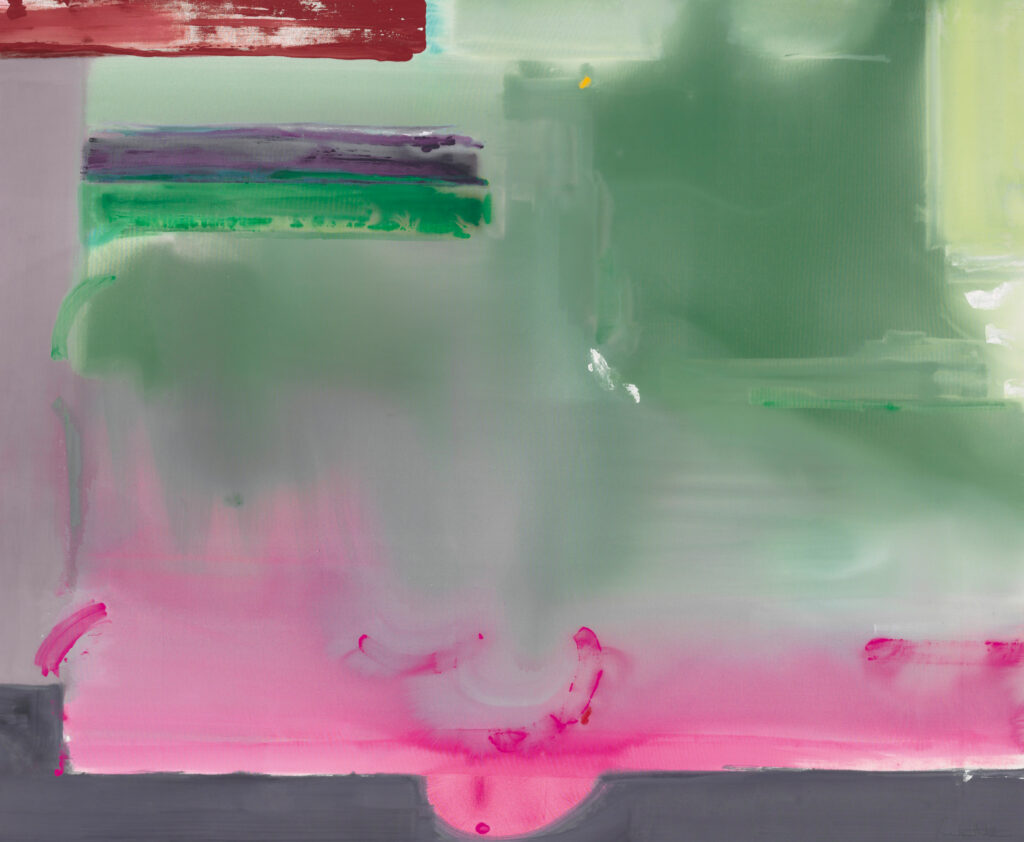
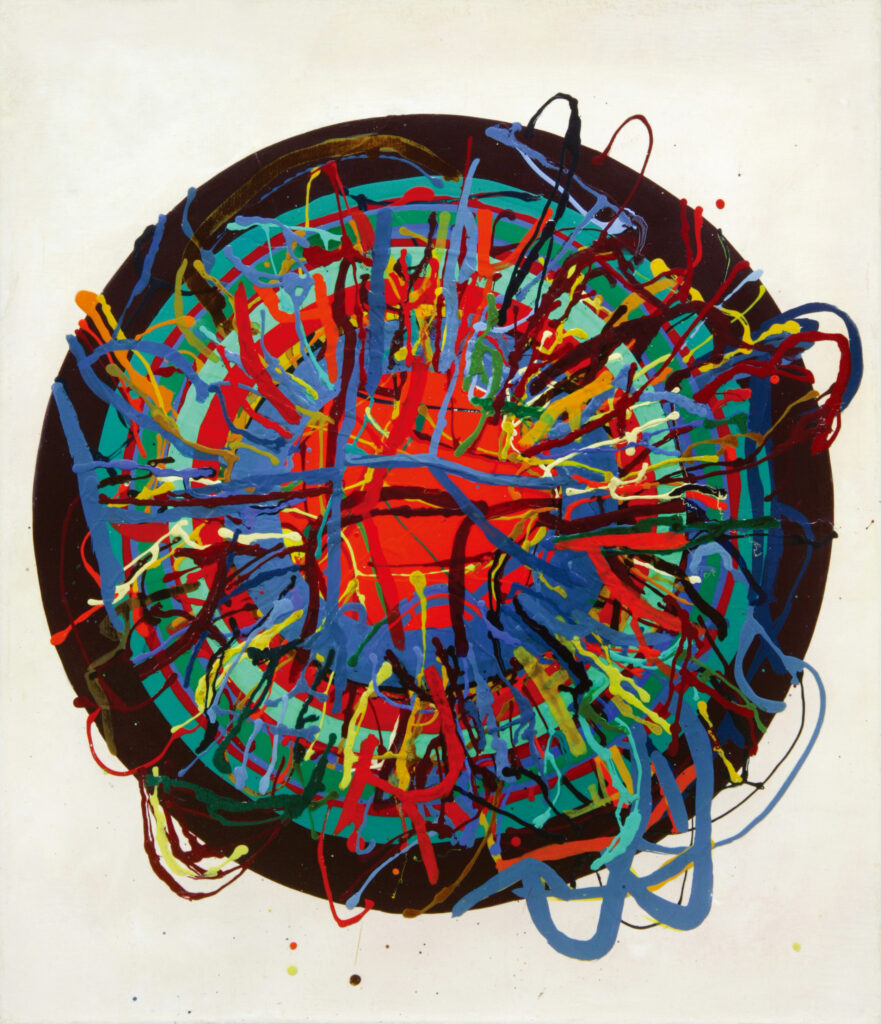
Around 60 works are on display in the first exhibition starting June 23: mostly large-format works of high quality, with plenty of stories to tell. The largest work, a 20-meter-long frieze by Toshimitsu Imaï, was originally created for a restaurant in Nagoya by the artist. When the building was about to be demolished, Ernst was the first to learn about it. And probably the only one who was willing and able to save the work. Imaï, born in Kyoto in 1928, moved to Paris in 1952, where he joined the Tachism movement. Georges Mathieu and Sam Francis invited him to his homeland, thus bringing gestural abstract painting to Japan as well. This is the focus of Ernst’s collection: large, significant works by artists such as Mathieu, Francis, or Ernst Wilhelm Nay, to name just a few of the most famous names. While the lesser-known ones need not hide: Judit Reigl, for example, Friedel Dzubas, Simon Hantaï, and among the Japanese: Tōkō Shinoda and Yuko Nasaka. Ernst Helen especially appreciates them; he learned from Hans Hofmann, like most artists of the New York School. A two-story room in the museum, called the Cathedral, is dedicated to them. But with Hans Albers, geometric abstraction also comes into play. In keeping with the motto of the opening exhibition, which is also Ernst’s credo: Color is everything!
Art history is of primary importance when this has only recently become widely known; the Gutai Group was one of the most important groups: Jiro Yoshihara, the founder, encouraged his followers to do something the world had not yet seen. In two spectacular outdoor exhibitions, Kazuo Shiraga distributed color with his hands and feet on a large sheet of paper lying on the ground. Atsuko Tanaka wore a dress made of burning light bulbs and neon tubes. Shōzō Shimamoto threw paint-filled bottles onto a canvas. The actions became the starting point for action-based art in the United States as well, after Alan Kaprow became aware of them through a report by the magazine Time-Life. Now, although action art cannot be collected and exhibited, it can be studied. But Shiraga and Tanaka also left works on paper and canvas that are now displayed in the Ernst Museum alongside those of the group Zero, which went beyond conventional art in other ways and, as the name suggests, wanted to start over at zero.
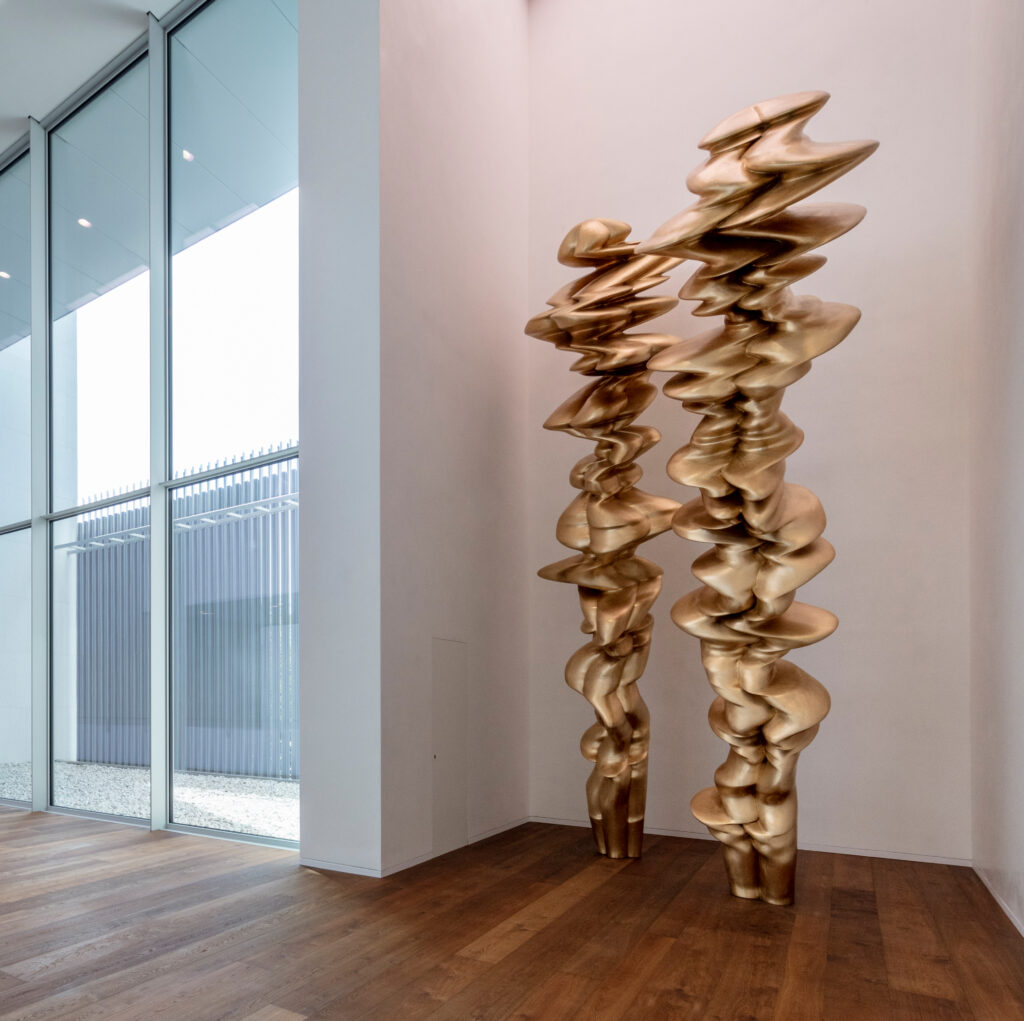
Painting is the focus of the collection. Individual plastic works set distinct accents. A three-part, tonally heavy sculpture made of rust-colored corten steel by Eduardo Chillida stands in the open inner courtyard. Ernst acquired it for the museum in 2020. On the other hand, one of the niches that cuts into the building’s smooth exterior on the second floor seemed perfectly suited for a bronze statue. Kraken Migof by Bernhard Schultze, who was already in the collection. A particular challenge was posed by the bronze stel statue pair by Tony Cragg. Specifically made for the museum, the sculptures over six meters high had to be placed in a designated two-story niche before the glass facade to Wilhelmstraße was closed. Ripe with a reddish-golden glow, they stand on slender legs: a not entirely easy task for the structural engineer.
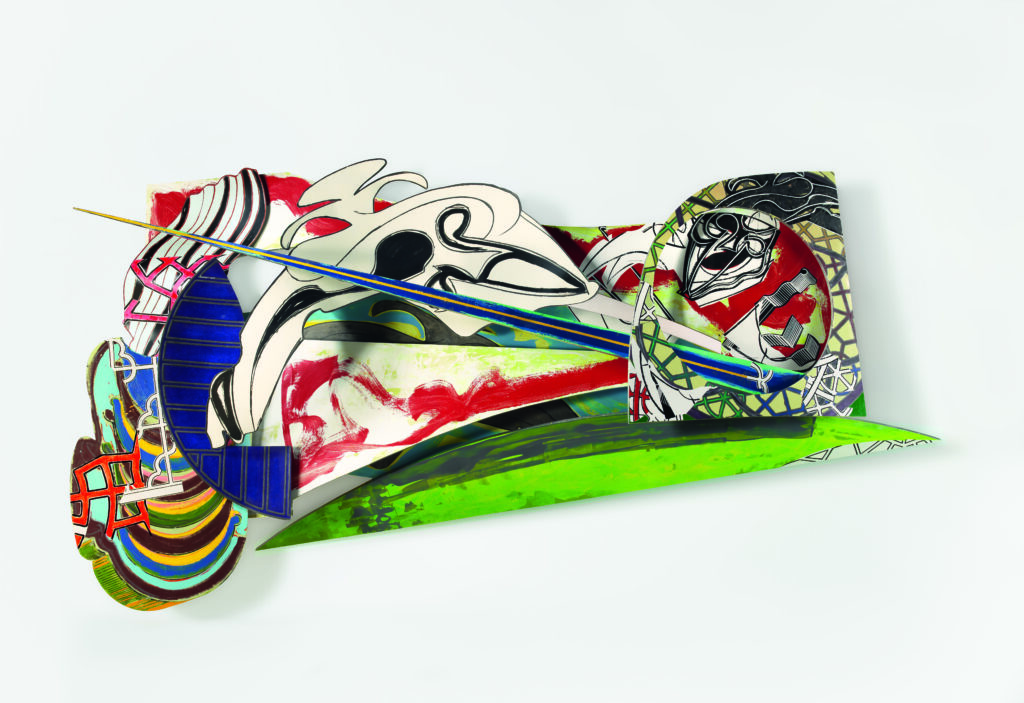
Three large-scale wall works by Frank Stella have a separate space, but with a glass wall separating them from the stairwell corridor. Plastically and colorful, the artist wanted to eliminate the distinction between painting and sculpture. And in doing so, the theme of the exhibition becomes more accessible to the public. Moby Dick Unlike the paintings, these three works receive plenty of natural light from the Lichthof. And opposite it, above the staircase, hangs another work by Stella. The room was already furnished when Stella passed away on May 4 at the age of almost 88. There is an overhead light in the ceiling. As Ernst maintains, it serves solely to allow one to see the stars in clear weather during the winter half-year.
He would like to build ten museums in his lifetime, explained Fumihiko Maki, the architect of the museum, when he planned the National Museum of Modern Art in Kyoto 40 years ago. With the Wiesbaden building, this wish has come true for him. Ernst has known the architect for a long time; in 1993, he became the second of eight Japanese – and one Japanese woman – to receive the Pritzker Prize, the "Nobel Prize of Architecture". Mitsumasa Ito, Ernst's partner at Harmonic Drive, He introduced him to the architect and to sculptor Iida Yoshikuni, for whom the company designed the building complex in the style of Maki. Triad In Nagano, in addition to a development center, they established a museum. A renewed collaboration came about when the Reinhard and Sonja Ernst-Stiftung, in 2012, established a center in Natori, a city hard hit by the tsunami north of the Fukushima nuclear disaster. House of Hope Maki was built as a meeting place for children and the elderly. pro bono Maki was the first choice for the museum Reinhard Ernst designed.
The appreciation was based on reciprocity. As Maki points out, "this particular construction project stands out because of the extraordinary role the client played in the architectural design process – a rarity." Ernst describes the collaboration as follows: "We met every two or three months and went through every detail." Why is the room with the Moby-Dick-Is the cycle by Frank Stella closed with a glass wall?, asks the museum founder. He could have kept it open. The answer: There is a section of the fire that has been sealed off. The glass is fireproof, but the works still receive daylight. "Take a look here": Ernst points to the white wall. It feels like velvet. "A fiber or acoustic plaster," he explains. And indeed: there is no echo in the high rooms with their smooth walls. A bright terrazzo floor has been manufactured by a company in the Erzgebirge. A stained parquet in other rooms consists of oak beams up to 7 meters long and 28 cm wide.
The Reinhard Ernst Museum sets a clear contrast to its surroundings: white, cubic surfaces instead of sandstone ornamentation. Yet at the same time, the building reacts extremely sensitively to its surroundings. Its height and dimensions correspond to other buildings such as the Museum Wiesbaden opposite. The large glass wall facing Wilhelmstraße is precisely aligned with the two neighboring older buildings. At first glance, the smooth white walls appear very closed, inward-turned. But upon closer inspection, the interior and exterior are not opposites; they complement each other. A very Japanese, relational aesthetic that, in the foyer, with a 65-year-old Japanese ornamental maple tree that looks as if it has always stood there, brings the landscape into the house and at the same time directs the view outward from the corridors and interior spaces, all the way to the stars.
The construction has now become a legacy of Fumihiko Maki, who passed away on June 6 at the age of 95. It was already long established that the first special exhibition should also be dedicated to him. It showcases models of his museums and other important buildings such as the Towers 4 at the place of World Trade Center in New York, but also that House of Hope in Natori.
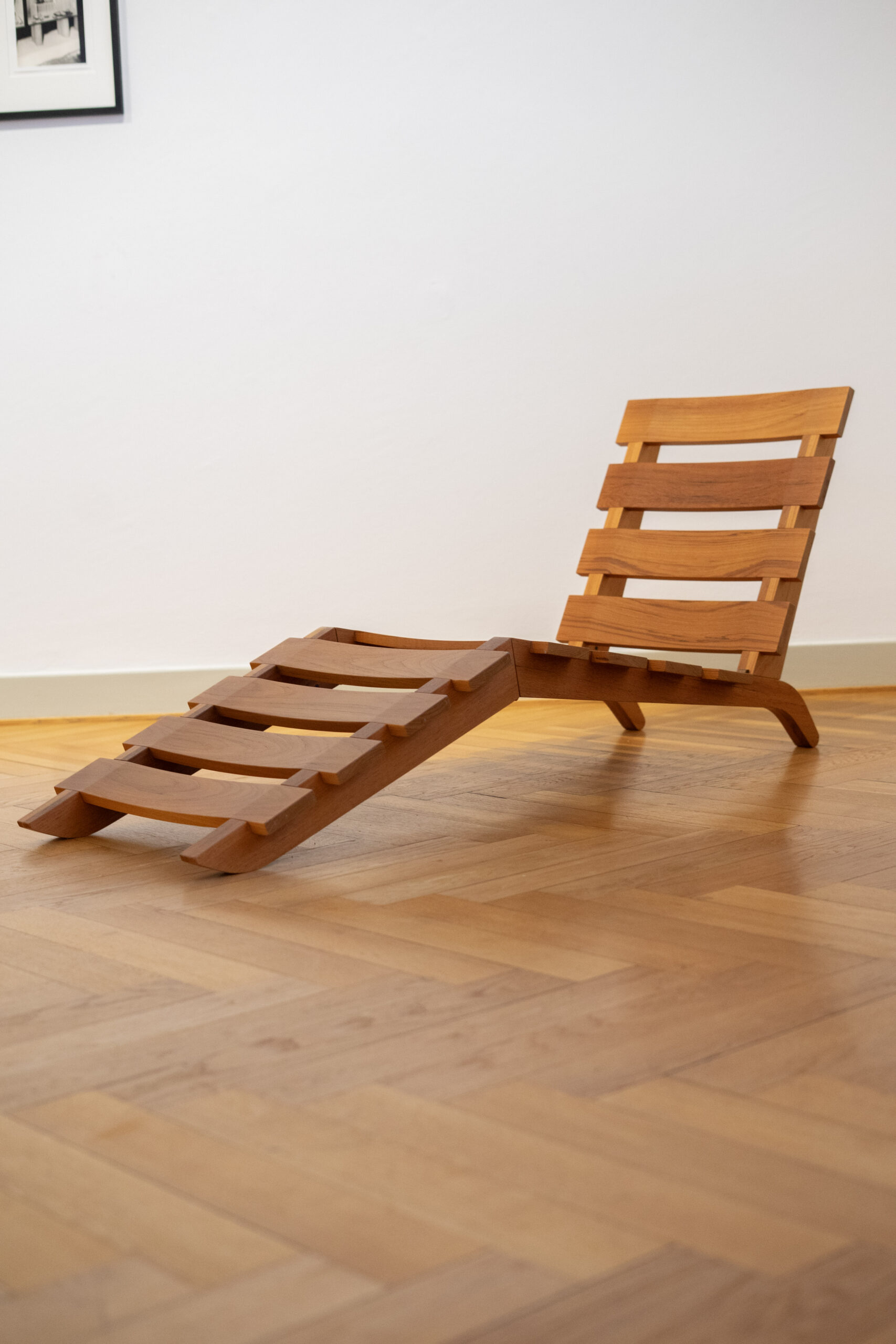
The Kunstmuseen Krefeld are dedicating the first retrospective in Germany to Charlotte Perriand’s multifaceted and astonishingly contemporary work.
 7 min read
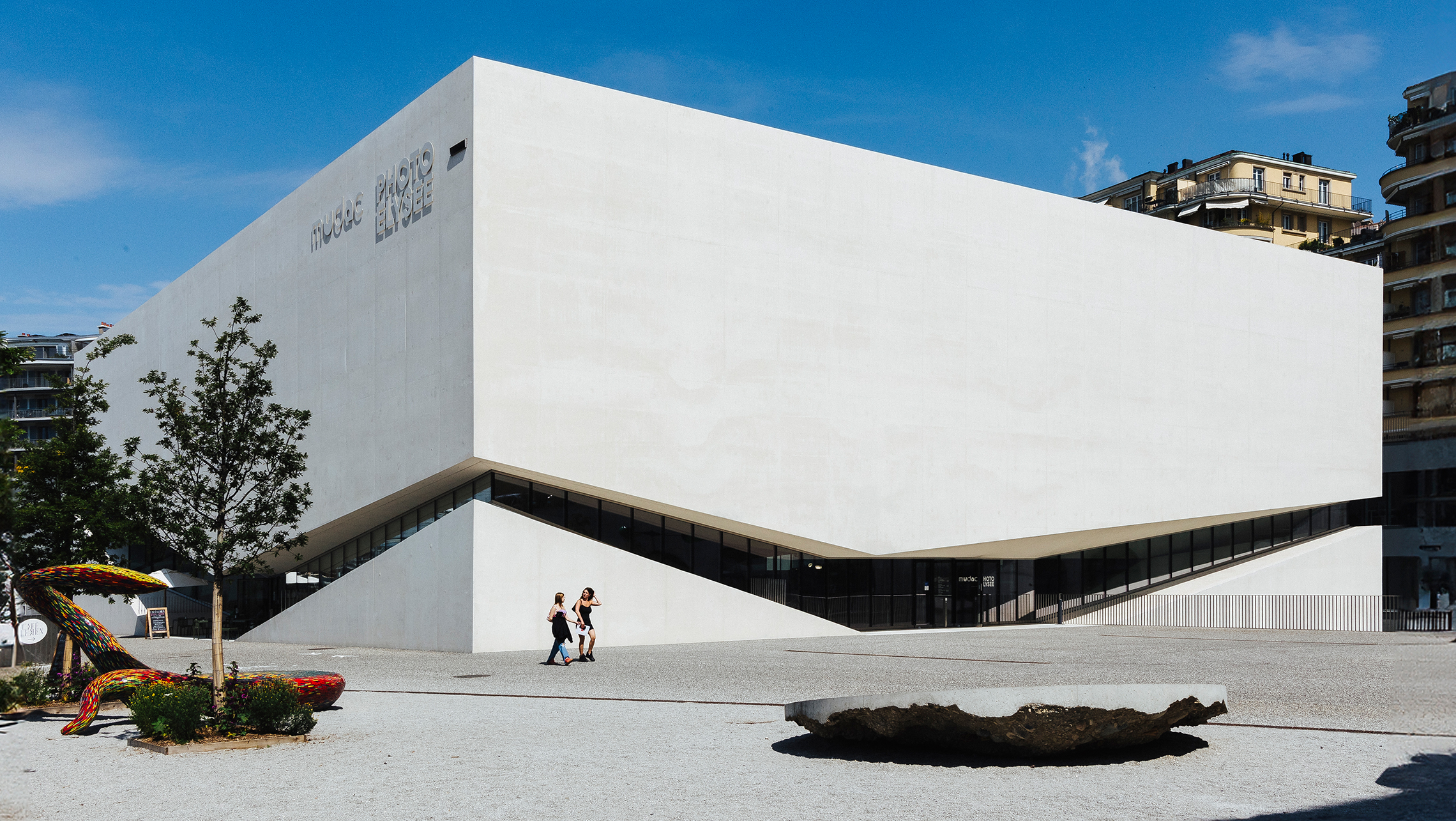
In the new premises of Plateforme 10 in Lausanne, the Photo Elysée Museum can finally unfold its potential.
 12 min read
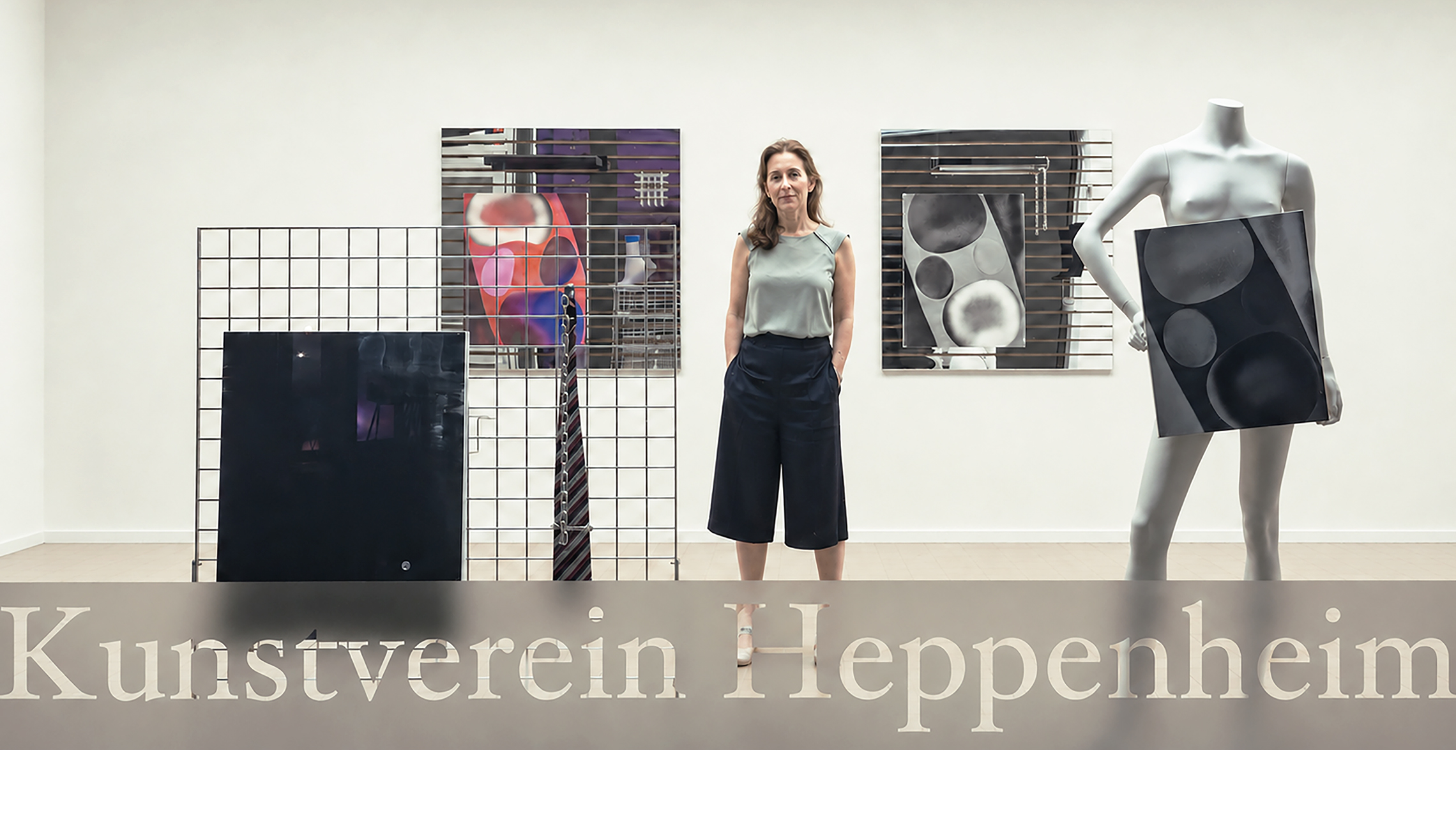
The exhibition "Six Five Four Three Two" featuring works by the New York-based artist Josephine Meckseper at the Heppenheim Art Society.
 9 min read