 10 min read
 10 min read
In the film "Porcile" (English:The Pigsty) by Pier Paolo Pasolini from 1969, it is about a bourgeois young man who lives withdrawn in his father's villa in Bad Godesberg. One day, he does not return from one of his walks into the village. The villagers report that he had been in the pigsty of the farmer and had been completely eaten by the animals. And they say that they have long known about his special love for pigs.
For conservatives in Catholic, post-fascist Italy, Pier Paolo Pasolini, an openly gay Marxist and atheist, was a pig. His films portrayed the fascist, capitalist society of the post-war years as the very epitome of pig-slaughtering.
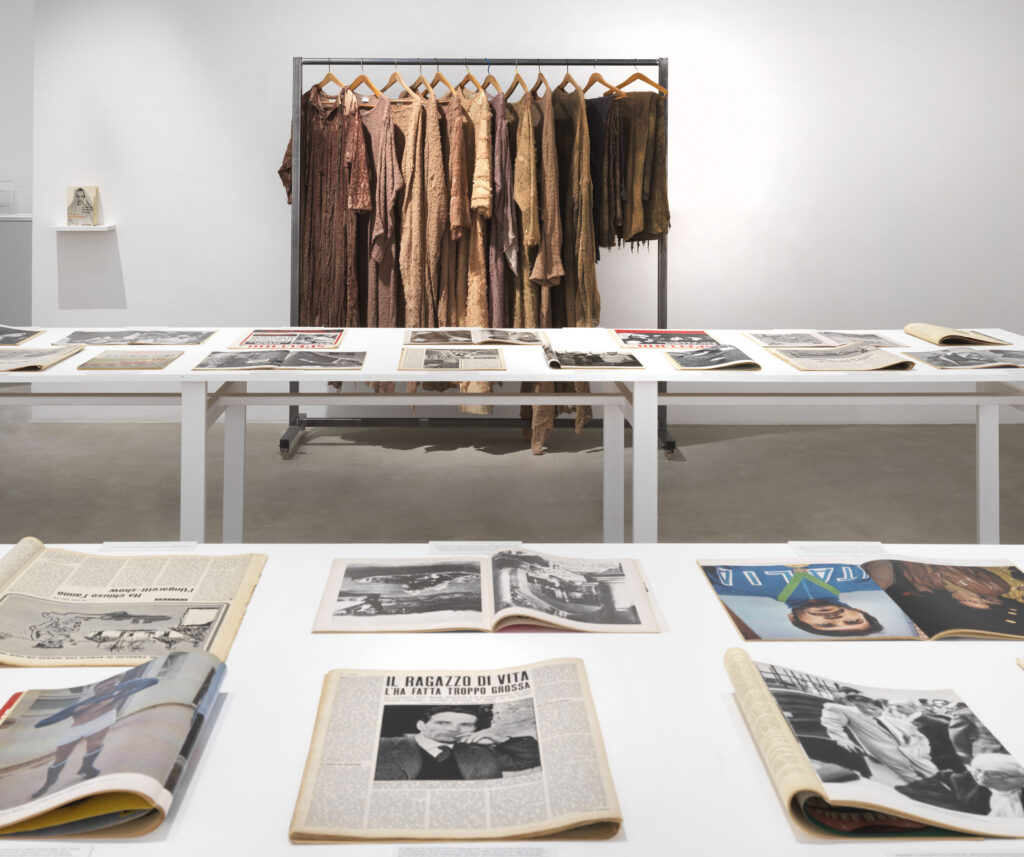
The n.b.k. – Neue Berliner Kunstverein – is showing an exhibition until November 10th on the work and thought of the director, author, and intellectual. With time documents such as newspaper articles, books, photographs, and films, it illustrates the brutality with which Pasolini was vilified, mocked, and persecuted because of his homosexuality and his uncompromising stance. The exhibition also shows how the artist, through poetry and political engagement, repeatedly found an audience as an intellectual.
Weekly articles appeared in the Italian press that drew Pasolini into the dirt. His films sparked public riots. He had to face at least 30 court trials, among others for blasphemy, obscenity, and defamation. Legal scholar Stefano Rodotà believes that in Pasolini's case it was actually a single trial covering his entire lifetime of work. It was about "questioning the legitimacy of a personality like the Pasolinis within Italian society and culture itself."
Pasolini was convicted several times for his works, and his violent death was never fully clarified.
Who was Pier Paolo Pasolini, and what does his persecution say about society in the 1950s and 1970s? What does his work tell us today? Because Pasolini's films still provoke controversy. His last film, "The 120 Days of Sodom" from 1975, was temporarily confiscated in Italy and also in Germany after the first screenings. It was not until 2022 that the uncut version was taken off the index in Germany. Has much really changed since then?
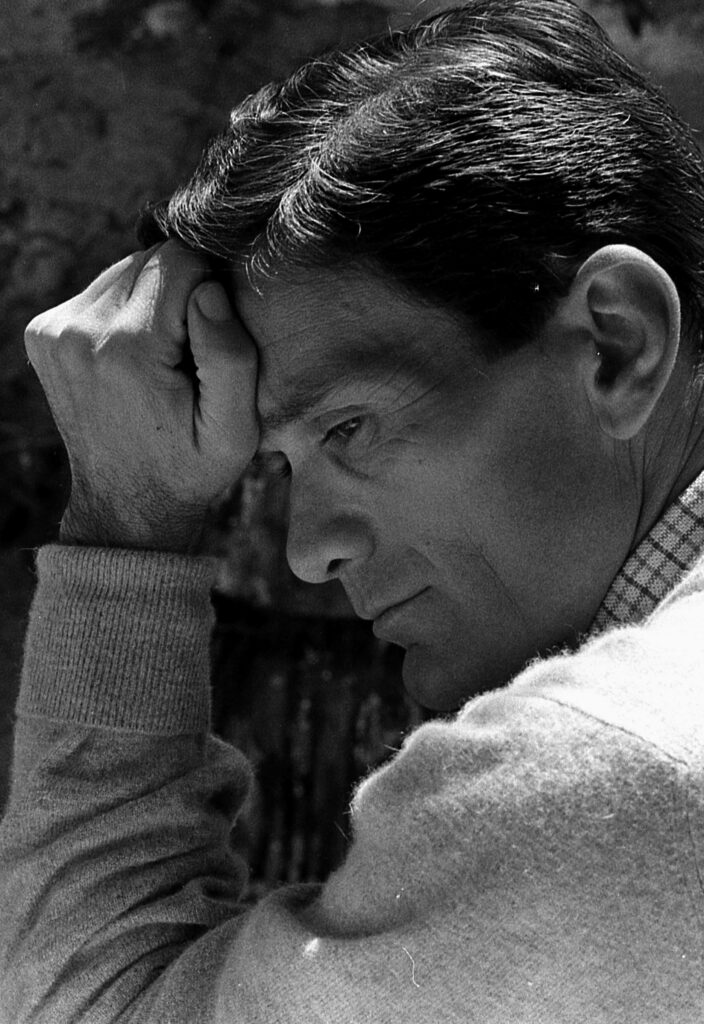
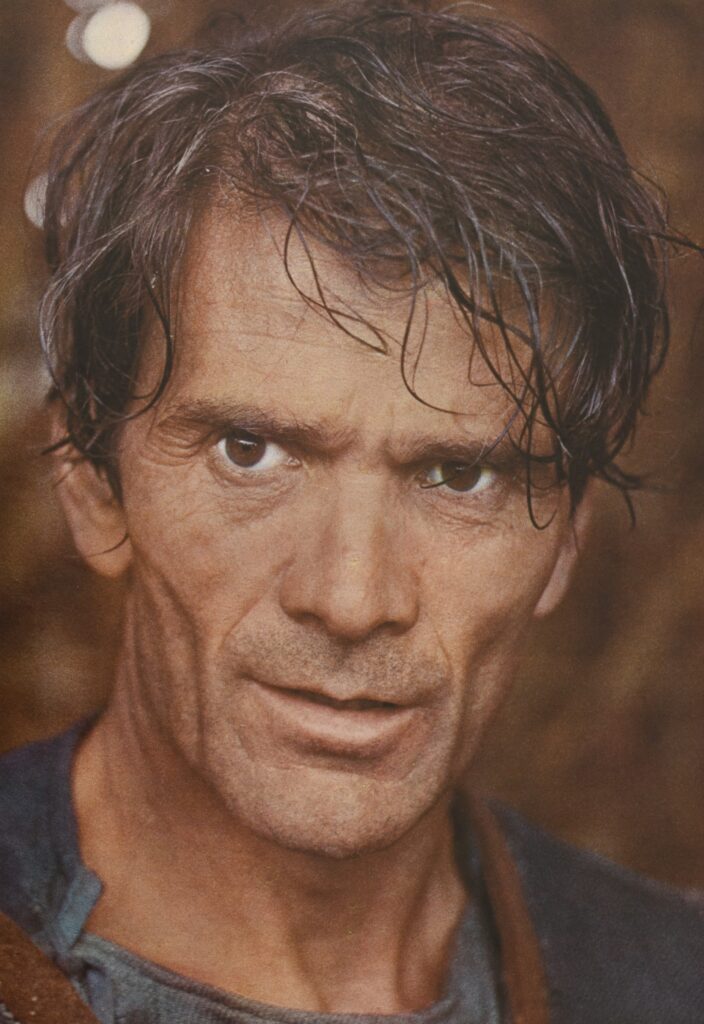
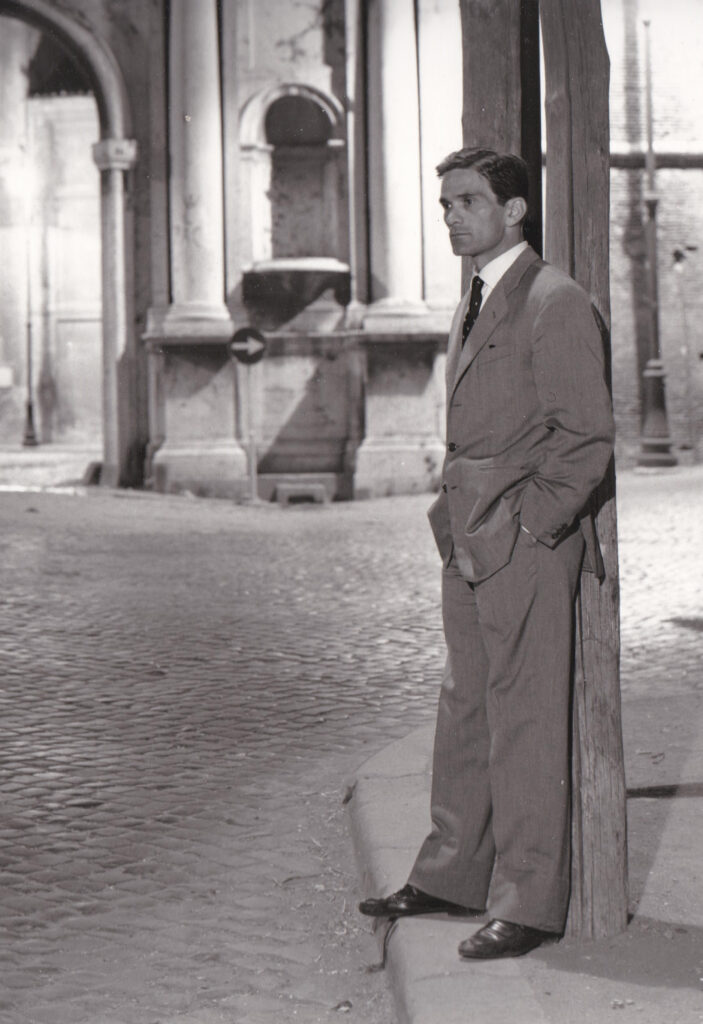
Already Pasolini's first film ("Accattone – Who Never Ate His Bread with Tears", 1961) brought him to court; however, the persecution of his person began much earlier. Pasolini was born in Bologna on March 5, 1922 and worked as a teacher in Casarsa, Italy, from 1945 onwards. After a priest broke his confessional secret and publicly exposed Pasolini's alleged homosexual transgressions, Pasolini had to resign his position and was expelled from the Communist Party, for which he had served as regional secretary. He fled with his mother to Rome, where they lived initially in humble circumstances. Here Pasolini studied the simple life and the hardships of people in the Roman periphery, the peasants and workers, the poor, petty criminals, and the vagrants. He placed the greatest hope for a revolution in the subproletariat, and his first films revolved around this subproletariat, which he mostly cast with amateur actors from the Roman slums.
Pasolini was not an adapted intellectual who viewed things from a distance. In one of his essays, the "Freibeutersschriften" of 1978, he wrote: "[…] I have, like Dr. Hyde, a different life. In this life, I must break through the […] class barriers […] and penetrate into another world: the world of the peasants, the world of the subproletariat." He lived his entire life with his mother, and at dinner he was an ascetic. But after dinner, after 11 p.m., he went to taverns. As a "passive" homosexual, he sought satisfaction in young men – and not only in homosexuals. For the patriarchal, machist Italian bourgeois society, this made him an absolute nightmare.
His hopes for revolution were disappointed, and Pasolini soon found that even the non-owners were embracing American consumerism and thus the petty bourgeoisie. His resignation over consumerism, fascism, the media, politics, and petty bourgeois morality was expressed in the film through explicit depictions of violence, nudity, homosexuality, pedophilia, sadism, and blasphemy. He filmed the repressed, darkest aspects of post-war bourgeois society in Europe: the violence that was inherent in it. For this, Pasolini was often misunderstood and despised.
Homosexuality was never officially banned in Italy, but that wasn’t because it was less punishable; on the contrary, homosexuality was considered a "sin against religion and private life" as long as there was no violence or public scandal. Homosexuals had to lead a life in the shadows. In a 1930 legal text it states: "It is not punishable, since the shameful vice of homosexuality is not so widespread in Italy that it requires legal intervention." This concealment is still practiced today in many countries considered the most queer-phobic, such as Uganda.
Pasolini had repeatedly defended himself against the accusation of blasphemy. Laws against blasphemy or sodomy were and are accusations used to accuse homosexuals and to portray them as being out of control. Under the ultra-right government of Giorgia Meloni, in Italy, queer people are being increasingly discriminated against today, for example by having their birth certificates challenged for children from rainbow families. In Russia, people are once again being convicted of blasphemy, and local AfD members are also using the term to incite against queer people. With "sodomy"—today used in German language usage as a term for sexual acts with animals—sexual activity that is not intended for reproduction was long described as such. For a long time, homosexuality and sex with animals were also closely intertwined. Paragraph 175, which was introduced in the German Empire in 1872, states that the "odious fornication committed between persons of the male sex or by humans with animals" should be punishable by imprisonment. The paragraph was modified and weakened several times, but was finally abolished in 1994.
Pasolini also had supporters. His politically engaged works are full of references to literature, politics, and (film) history, and have convinced generations of critics. He collaborated with Federico Fellini and Maria Callas, who was a close friend of his. And Pasolini was able to sometimes use the media attention surrounding his person to his advantage. With the words "you will see, the film will make a lot of money" he handed the script for "Decameron" to his collaborator David Grieco. In 1971, he had to answer in court for "pornographic content" regarding the film.
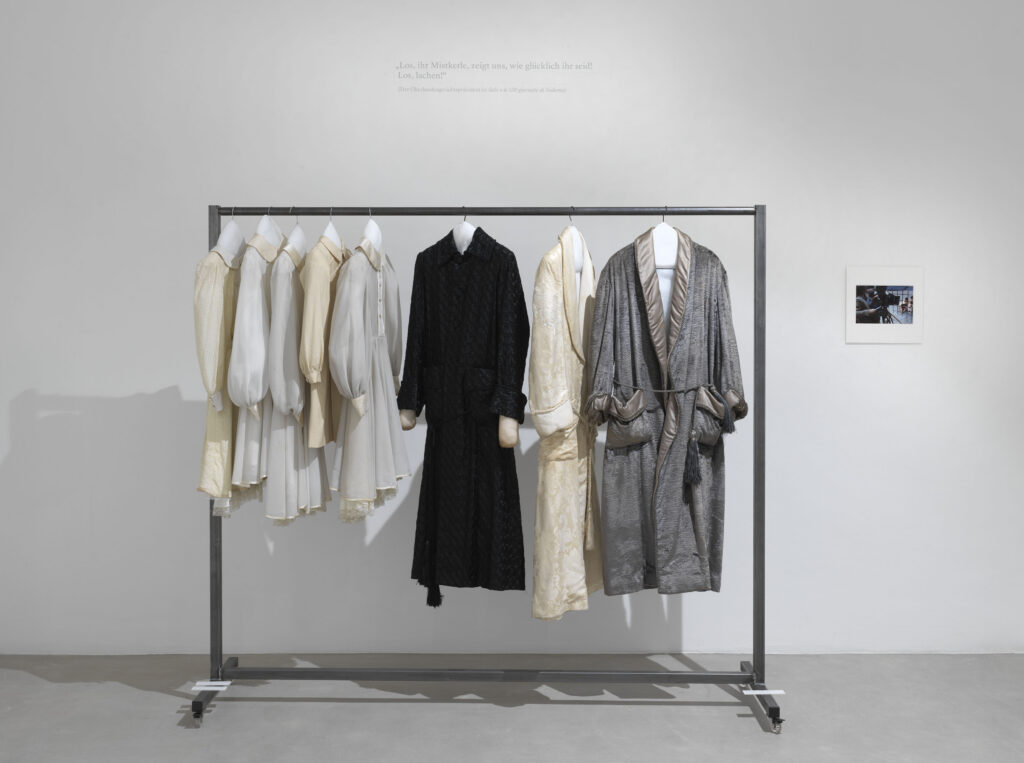
His most controversial film – perhaps the most controversial of all film history – appeared shortly before his death: "The 120 Days of Sodom" (Italian title: "Salò") from 1975. The film takes place in the declining fascist Republic of Salò, where a circle of powerful men holds a group of adolescent women and men captive in a mansion. The tormentors unabashedly indulge in their most sadistic impulses and fantasies with the young people. The torture methods become increasingly grotesque and end in the ecstatic murder of all the prisoners.
The fascist Republic of Salò existed: The town on Lake Garda was transformed into a puppet state under dictator Mussolini between September 3, 1943 and April 25, 1945 in the North of Italy occupied by the German Reich. What is most frightening is the fact that all the humiliations, torture and murder methods the fascists used against the young people in the film were actually carried out in German concentration camps – according to cultural theorist Klaus Theweleit in a film commentary. The film is an extreme allegory of oppression and hopelessness. The small town of Salò on Lake Garda only voted in 2020 to keep Mussolini as honorary citizen of the city.
"Salò" shows the horrors of the actions in a fleshless – Pasolini called it "crystalline" – aesthetic. It was not about evocation of suffering or cruelty with the film. The film does not aim to evoke understanding of violence; rather, it aims to understand the violence that society creates. Pasolini saw it in fascism and – no less dangerous – in the consumerism of capitalism. That is what the powerful do in the film: they have fun by consuming the bodies; these become fetished objects that they can do whatever they want with.
In conjunction with the exhibition, Pasolini's films will be shown at the Babylon cinema in Berlin, and the literary scholar and cultural theorist Klaus Theweleit gave a commentary on the film. During the filming of "Salò", he was working on his doctoral thesis on the sexual, psychological and socio-political history of National Socialism in the Weimar Republic. Theweleit's book "Männerphantasien" is considered the starting point of the study of men because it meticulously addresses the theory and history of male violence. The film asks: "How do we deal with the unbearable? Apparently we can handle it," said Klaus Theweleit. In the 1970s, according to Theweleit and other witnesses, half or two-thirds of the audience left the theater. Today, the theater would be full until the very end. Theweleit explains this with "brutalization" and a habituation effect through the media.
Theweleit draws attention to the historical constant of male violence throughout history. Culture and violence – these are "two sides of the same coin". When asked about current wars, he says: "I have already described all of this ten times; there is nothing more to add to it. The Russian soldier today is no more brutal or cruel than all those who came before decades ago or – probably – in the next ones." Theweleit does not normalize this violence as inevitable, but he speaks out against forgetting the inhumane crimes that are expressed in the recurring indignation.
When asked what has changed since the 1970s, Theweleit speaks of a hope for peace in the 1960s and 1970s. "We have always said […] that the level of violence is falling, it is constantly falling." Since the 1990s, this has changed again. He speaks of an "increase in violence," which is "as bad as it has almost never been," and lists conflicts around the world. In fact, the number of wars, civil wars, and inter-state conflicts that have been statistically recorded worldwide since 1946 in 2023 reached a record high.
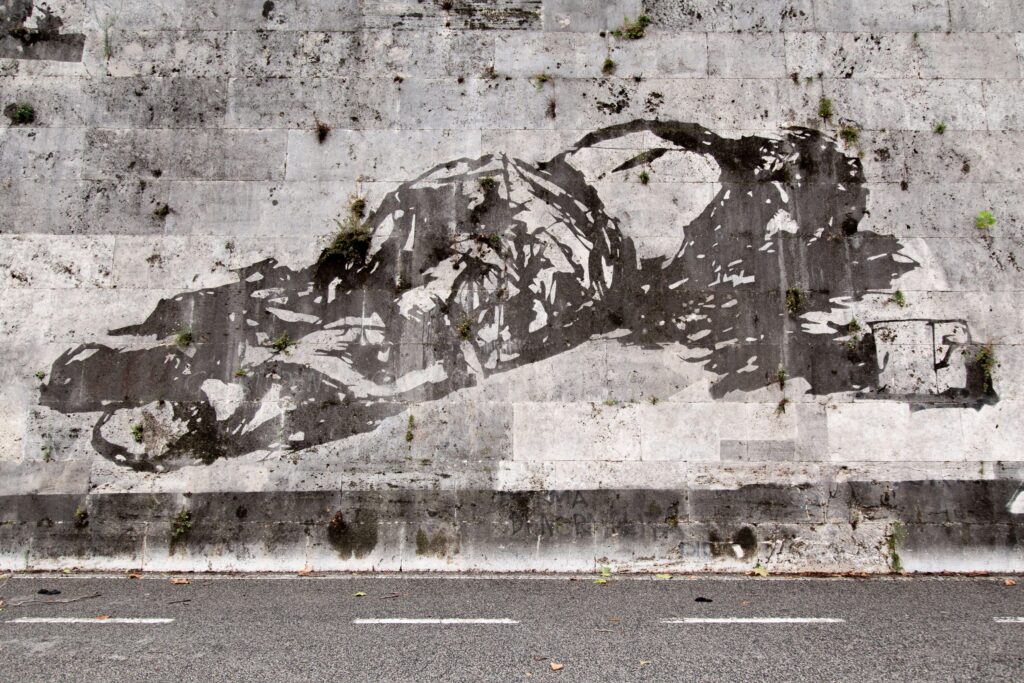
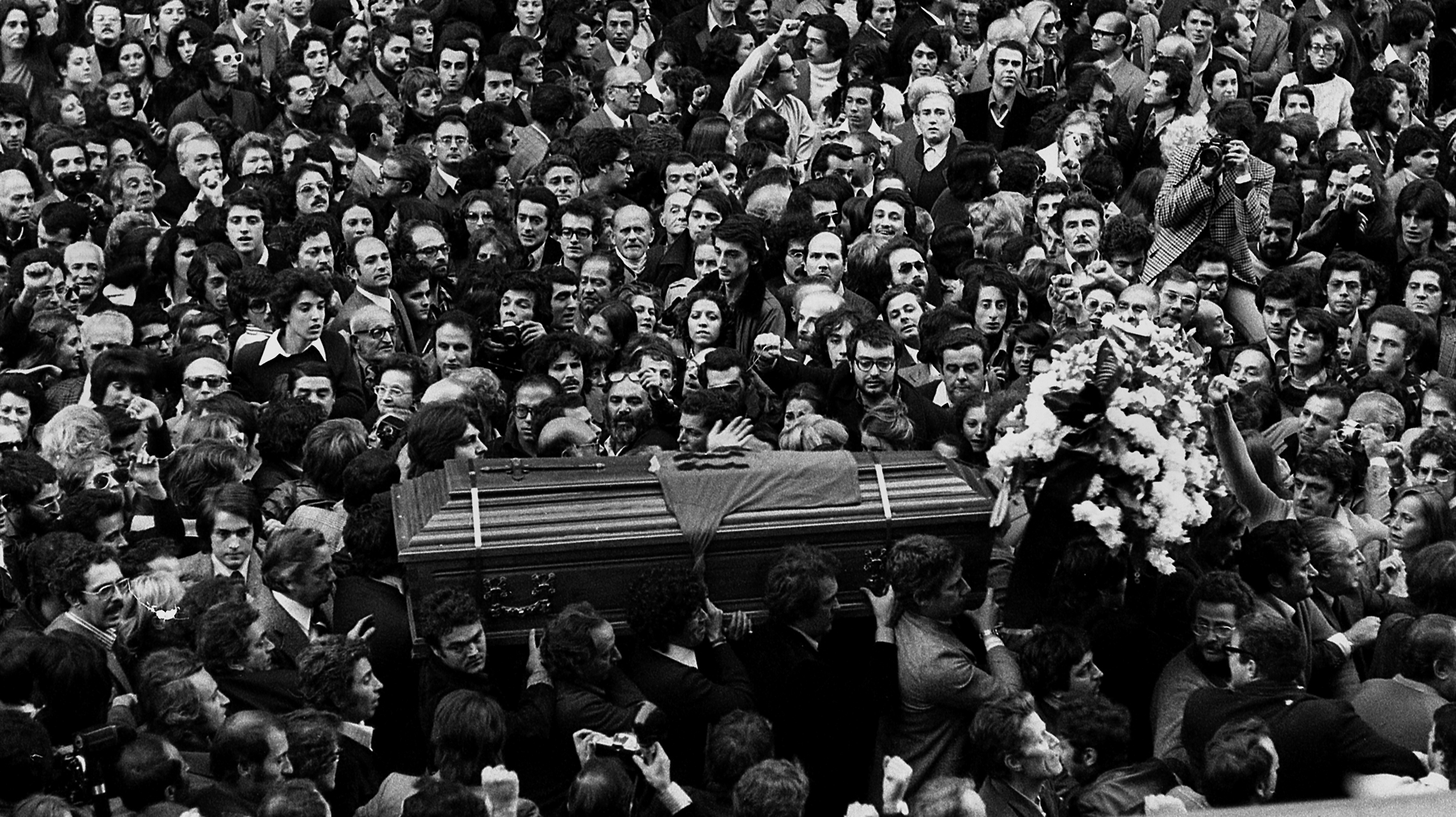
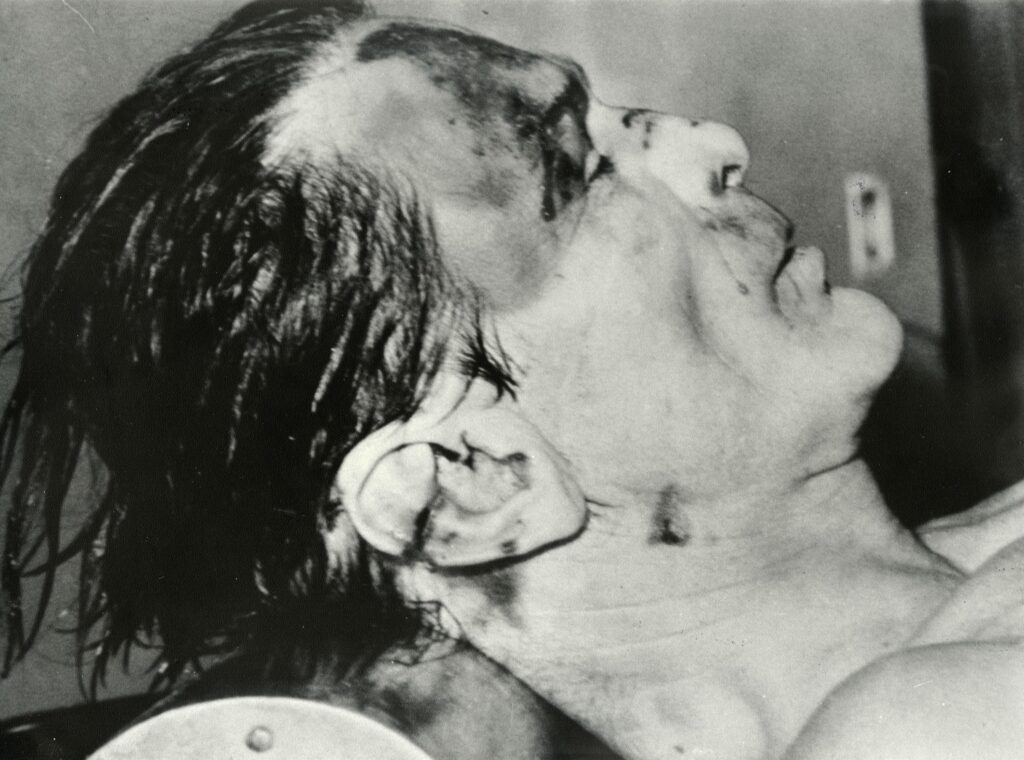
On the morning of November 2, 1975, Pasolini's body was found on the beach in Ostia; he had suffered massive violence to his body; he must have been severely beaten and then run over. The cause of death was a ruptured heart. A 17-year-old student was arrested for the crime; he surprisingly retracted his confession in 2005: three unknown men had murdered Pasolini on the night of November 1 to 2, 1975, calling him a "dirty communist", a "dirty pig", and a "fool".
Pasolini's life, death, and work stir up questions because they reveal the dark sides of society. His films evoke images of current experiences, introducing us to characters, attitudes, and actions that we see demonstrated today in the media, politics, and on the streets. His filmmaking also reflects an inner development marked by disappointed hopes—disappointment with society, politics, and even love. It is a disappointment that many of us have had to experience, but which does not have to result in resignation or tragedy. So what film would Pasolini have filmed after "The 120 Days of Sodom"? That remains up to our imagination.
The Kunstmuseen Krefeld are dedicating the first retrospective in Germany to Charlotte Perriand’s multifaceted and astonishingly contemporary work.
 7 min read
The exhibition "Six Five Four Three Two" featuring works by the New York-based artist Josephine Meckseper at the Heppenheim Art Society.
 9 min read
In the new premises of Plateforme 10 in Lausanne, the Photo Elysée Museum can finally unfold its potential.
 12 min read