 10 min read
 10 min read
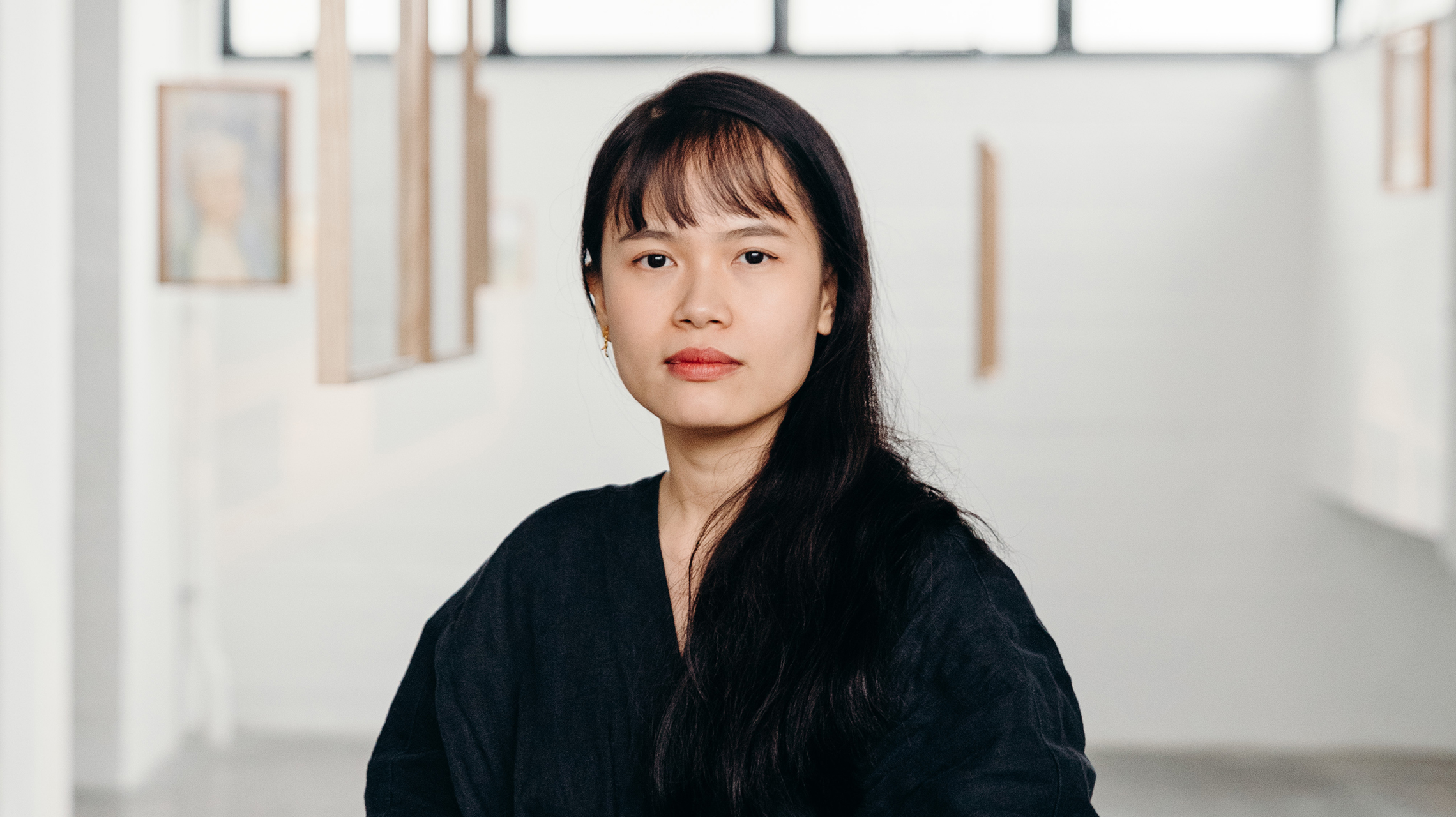
"I think my work is very personal. I am interested in storytelling and literature. And also in moving images and painting," says the Vietnamese artist Thao Nguyen Phan about her artistic approach. Accordingly, her media spectrum is also wide. It includes drawings, paintings, sculptures, installations, the work with found books and records, but also moving images in mono or multi-channel video works. All of this can now be seen in a comprehensive solo exhibition in Paris curated by Daria de Beauvais.
"Le soleil tombe sans bruit", roughly translated as "The sun goes down without a sound", is the title of the first institutional solo exhibition of the artist born in Ho Chi Minh City in 1987 in France. Like all the details in Thao's work, the usual abbreviated form of her name, the title of her exhibition in Paris has been carefully chosen. It is a reference to a collection of short stories by the Japanese writer Yasunari Kawabata, who received the Nobel Prize for Literature in 1968. Kawabata is known for his style, which is difficult to translate, filled with mythical, magical, and spiritual moments. This is actually the general direction of Thao's exhibition as well. Because it is not about the audience completely resolving or deciphering her multifaceted and metaphor-rich works; rather, it is about creating specific polyphonic atmospheres and moods through artistic interventions that the viewers can immerse themselves in. What exactly is based on personal experiences, what is based on historical facts, and what is based on myths are deliberately left open in the process.
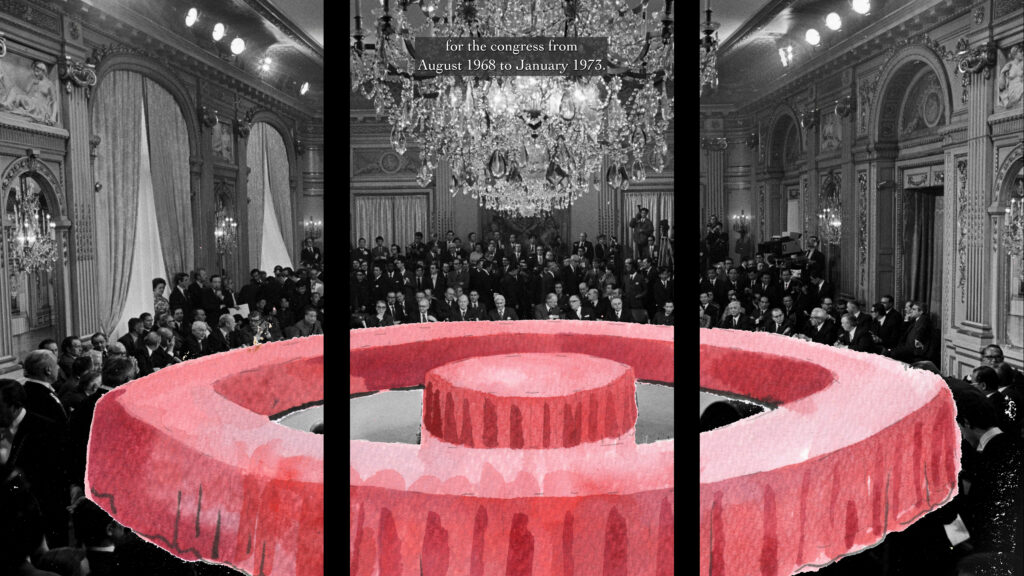
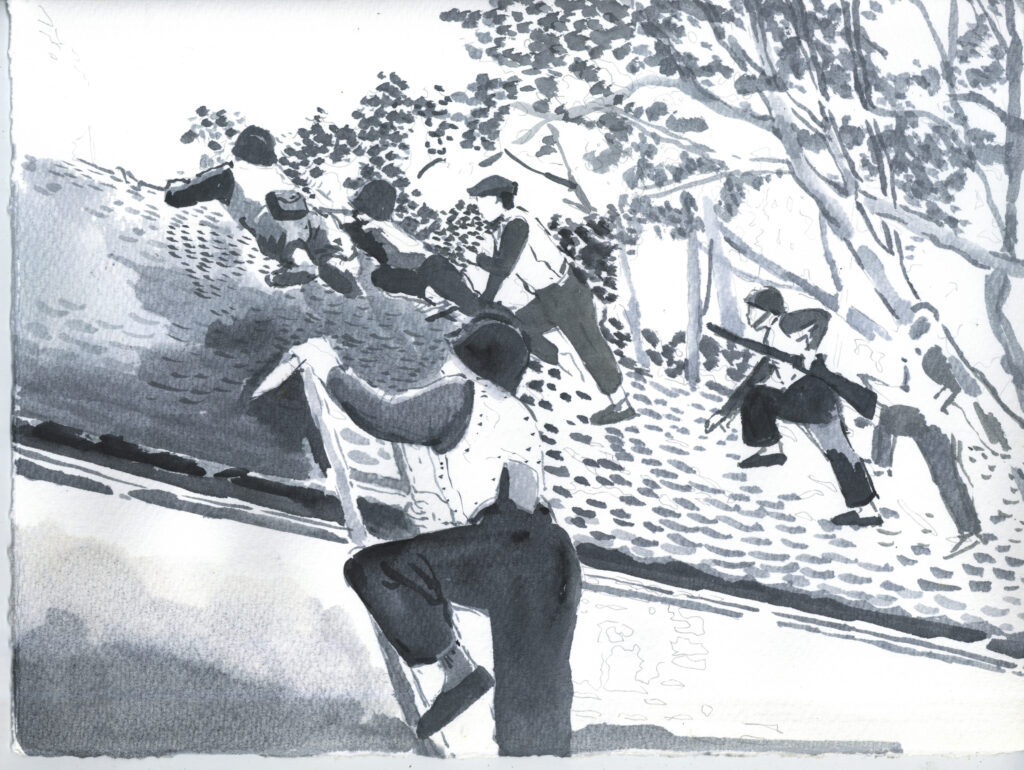
In her remarkable exhibition at the Palais de Tokyo, Thao creates works that connect Vietnam and France through various personalities and historical events. For example, one work shows a book in watercolor technique that is adorned with commentaries by Thao herself, some of which are feminist in nature. Of course, she does not shy away from the traumatic events of the colonial era; at the same time, she also reflects on the present and the future, especially with regard to current environmental issues and social upheavals that play a central role in the younger generation of her country.
The place couldn’t be chosen better. The Palais de Tokyo, an exhibition building originally built for the 1937 World’s Fair and which has been the setting for countless exhibitions of contemporary art since 2002, is not a classic White Cube, a white cube designed as neutral as possible that deliberately avoids any interaction between the work and the space, but rather an occasionally colossal, sometimes intricate structure with a long history. Renovated again in 2012 and carefully remodeled by the Lacaton & Vassal architectural duo, the Pritzker Prize 2021 laureate, the building professes its diverse history. Supply lines run openly through the plaster, there is no air conditioning, and many of the walls are raw and unplastered. For this, the labyrinthine structure offers an infinitely large space and niches for experiments with its approximately 22,000 square meters of exhibition space, unlike any other European exhibition venue without its own collection.
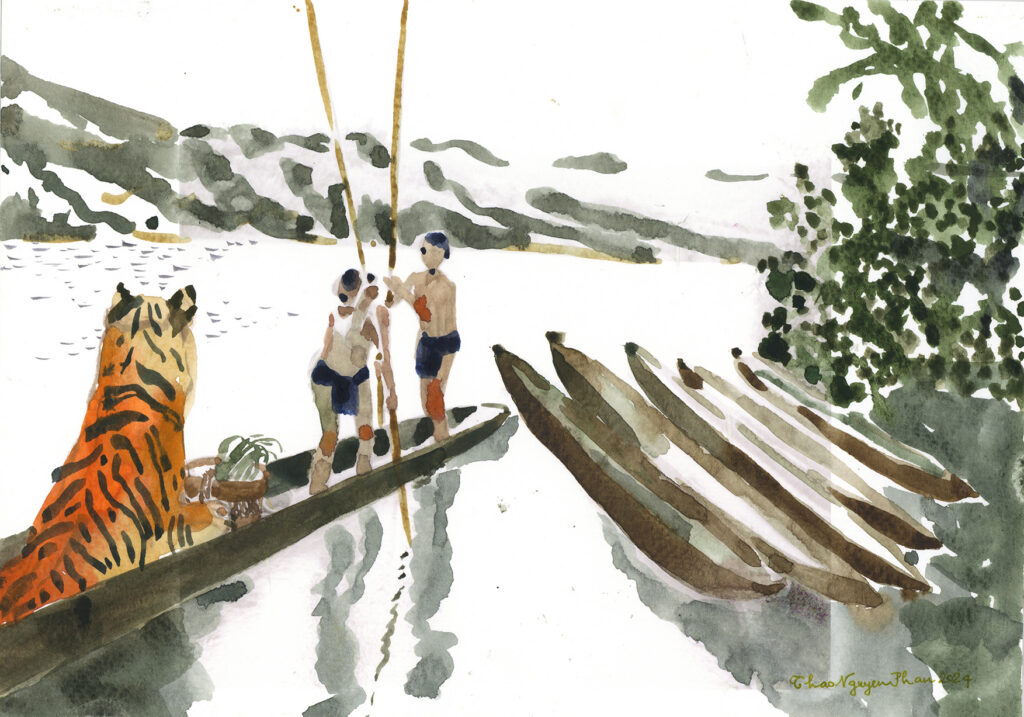
Thao draws her stories entirely from the history and current situation of her country. However, they encompass far more aspects than just the Vietnam War, a relatively short historical phase that Vietnamese artists, such as Thao’s Parisian gallery owner Le Thien-Bao, unfortunately still grapple with to this day when they report on their tour.
Thao, on the other hand, delves much deeper into the multifaceted history of a very complex country that is characterized by hostile ideological camps, great contrasts between city and countryside, Christian missionaries, intensive agriculture and industry, ecological problems and, not least, the heavy legacy of French colonial rule. Ambivalences dominate here over univocalities.
Vietnam thus shapes her artistic project. But that wasn’t always the case. Thao had to, so to speak, first expand her artistic toolkit and the range of topics in her works in order to be able to engage artistically with her country.
"There was a time when I avoided engaging in substantive discussions with Vietnam out of fear that I would simply trigger feelings of nostalgia and trauma, in the sense that most Americans only know about Vietnam because the war took place there," Thao said in an interview in 2020.
In her current works, she weaves historical facts into fiction that contrasts with the official historical narrative. Instead of directly naming the crimes of the French, she dresses certain events in poetically-metaphorical narratives. Among other things, she relies on the fascination that stems from natural materials such as jute or silk. Thus, visitors to her exhibition, which is set up on a course in the basement of the Palais de Tokyo and comprises four different zones, can already look down from an emporium onto two central works: a large kidney-shaped sofa, which is covered with white, slightly pleated silk, and immediately behind it is a kind of divider from dried jute stalks, which bears the title "No Jute Cloth for the Bones". Anyone who passes it will probably remember the clinking of the sticks as resembling the grinding of human bones against each other.
What at first glance looks poetic and appears harmoniously staged points to a dark chapter in the history of their country: the time of the Japanese occupation between 1940 and 1945. Thao recounts that the Japanese military occupied large areas of land that were originally reserved for rice cultivation in Indochina in favor of growing the Japanese rice plant originally from the Mediterranean region. Around two million people starved to death as a result of this forced conversion of agricultural land.
The other strong gesture that Thao uses to open her exhibition route is the silk-covered sofa that can be used as a seat or a bed by the visitors.
The peculiar shape of this piece of furniture already provides a subtle hint of another central aspect of the exhibition. Thao regularly creates strong connections between her own works and those of more influential figures. Diem Phung Thi (1920-2002), a Vietnamese-French artist who is one of Thao’s most important sources of inspiration, takes up a large part of the exhibition with her works. Although she spent most of her life in France and only moved back to Vietnam in 1992, Diem Phung Thi is considered the most important representative of modern Vietnamese sculpture and the "Vietnamese answer to Louise Bourgeois". Starting with seven modular forms that she herself conceived and can be connected to each other in ever new combinations, Diem Phung Thi has created her own repertoire of forms that offers an infinite variety of possibilities.
Thao expands her artistic practice here by adding a curatorial component by presenting several of the objects created by Diem Phung Thi, which served partly as models for large sculptures in public spaces in France. In addition, paintings and jewelry are exhibited – an important aspect of Diem Phung Thi’s work. With her own paintings, which recall her original training as a lacquer painter, Thao responds in this section to the work of the artist she admires, whose work is dedicated in Vietnam to its own museum.
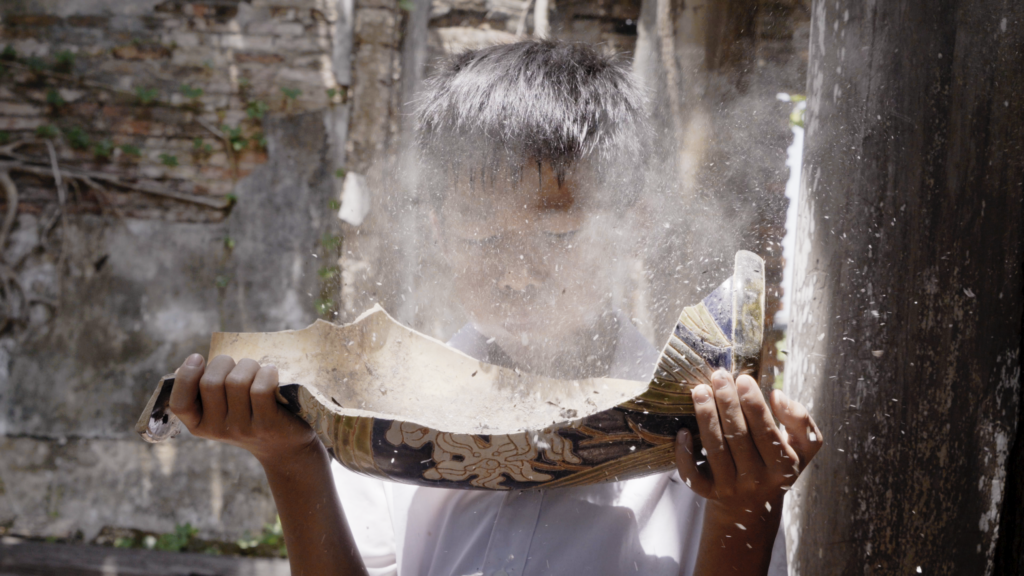
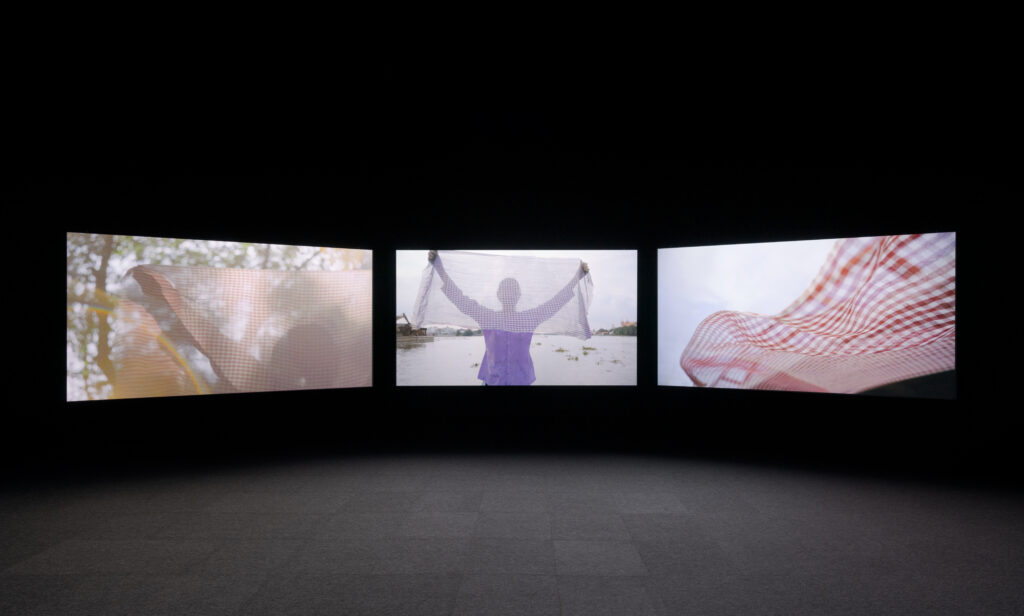
The approximately 16-minute 5-channel video installation "Reincarnation of Shadows" once again focuses on Diem Phung Thies' life and work; however, in a completely different speed, filmic reflections on untouched Vietnamese river landscapes, modern and traditional architecture, the careful arrangement of green glazed ceramic elements, meditative gatherings, and important historical events also alternate. Accompanied by the sound of the Dan tranh, a stringed instrument reminiscent of a zither, this work puts the audience into a contemplative, slightly trance-like state.
At first glance, one might think that these and the other video works shown in this room would be presented in complete darkness. However, for an artist whose work features ambivalences, interspaces, and transformations to such a degree as Thao’s, it is not surprising that fleeting and indefinite elements are also incorporated here. Thao, who is accustomed to engaging in regular collaborations as one of the initiators of the artist collective Art Labor, has invited her husband Truong Công Tung, born in 1986, who is also trained as an artist, to perform an intervention here.
He has ensured that the exhibition space receives a barely perceptible circular opening through which, depending on the time of day and the weather conditions, a few rays of sunlight occasionally fall into the space. "Transference", the title of this very withdrawn, almost humble work, is equally inspired by the cosmological knowledge treasure of the artist's indigenous ancestors, as well as by Western notions of time, human life, and its transience.
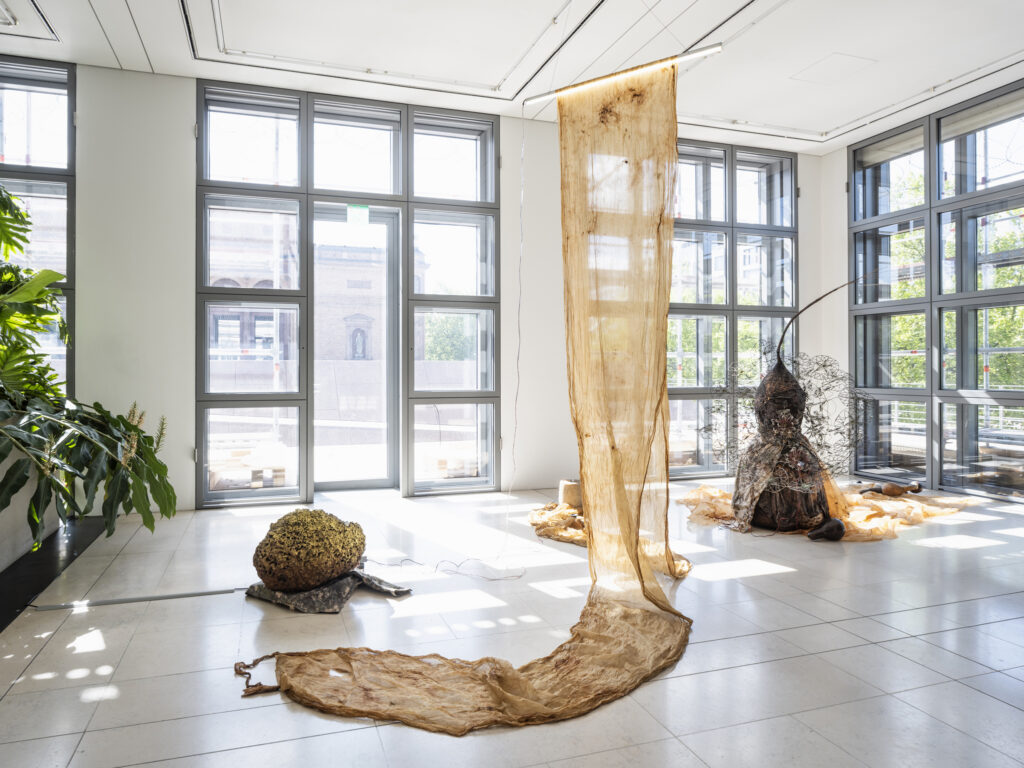
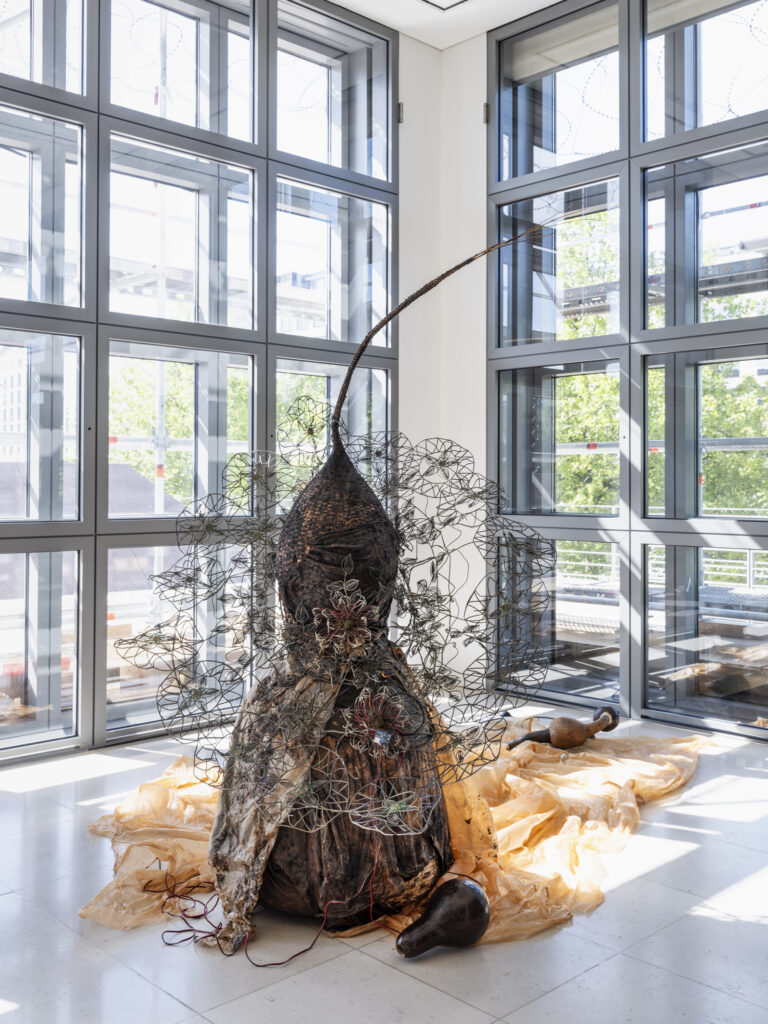
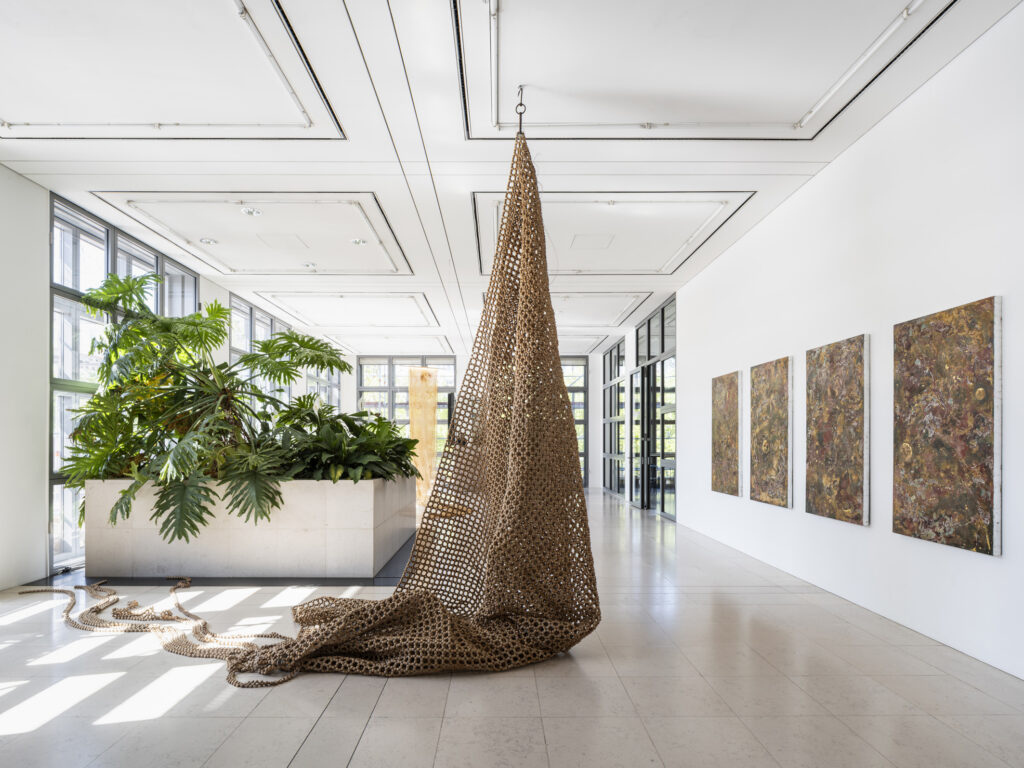
Anyone who wants to see more of Truong Công Tùng's work is invited to visit the artist's highly interesting exhibition titled "The Day Approaches to Its End... The Night Is Breaking In." This exhibition is on view at the Galerie der Gegenwart at the Hamburger Kunsthalle until September 14, 2025. Truong Công Tung is the current recipient of a scholarship from the Philipp Otto Runge Foundation. In Hamburg, he exhibits interactive sculptures made from abandoned termite mounds or obsolete silkworm cocoons that surprise viewers with light and sound effects as soon as they approach them.
Thao Nguyen Phan and Truong Công Tung seem to strike a certain nerve with their work that straddles the lines between dream and myth, historical facts, personal memories, and indigenous, spiritual, and Buddhist elements, a theme that is currently attracting great interest in Western art circles. Although their works deal with topics such as colonialism, war, occupation, agricultural monocultures, and the exploitation of resources, their works never seem overpoliticized or didactic. Both of them manage to make complex connections accessible to an open-minded audience through their sensual works with high material aesthetics. For those who cannot travel to Paris or Hamburg to visit their exhibitions, from June 29 to September 21, 2025, they have the opportunity to see works by the two in a group exhibition titled "Tales without Time – Poetry of Storytelling" at Galerie Zink in Waldkirchen in the Upper Palatinate.
Thao Nguyen Phan: The Sun Falls Silently,
Palais de Tokyo, 13, avenue du président Wilson, 75116 Paris France,
until 7th September 2025, daily except Tuesdays from 12:00 to 22:00; Thursdays from 12:00 to 24:00.
Catalog: Monsoon Melody, Mousse Publishing Milan, 224 p., 18 euros, in English.
Works by Thao Nguyen Phan are on display in the group exhibition "Tales Without Time – Poetry Of Storytelling" at the Zink Gallery, Waldkirchen, to be seen.
The exhibition "Truong Cong Tung: The day is coming to an end... The night is falling" It can be seen in the foyer of the Galerie der Gegenwart in the Hamburger Kunsthalle until September 14, 2025.
The Kunstmuseen Krefeld are dedicating the first retrospective in Germany to Charlotte Perriand’s multifaceted and astonishingly contemporary work.
 7 min read
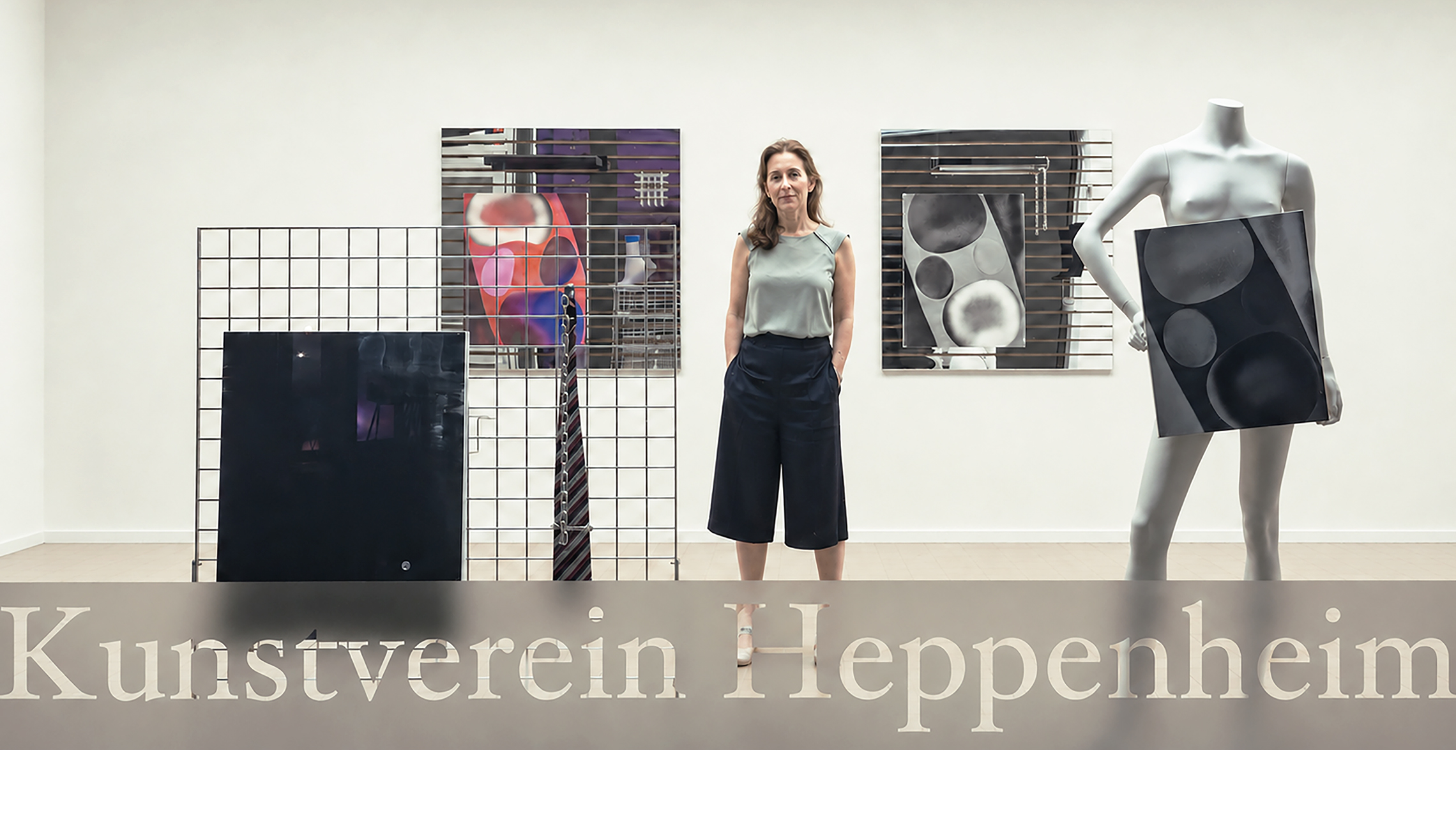
The exhibition "Six Five Four Three Two" featuring works by the New York-based artist Josephine Meckseper at the Heppenheim Art Society.
 9 min read
In the new premises of Plateforme 10 in Lausanne, the Photo Elysée Museum can finally unfold its potential.
 12 min read