 6 min read
 6 min read
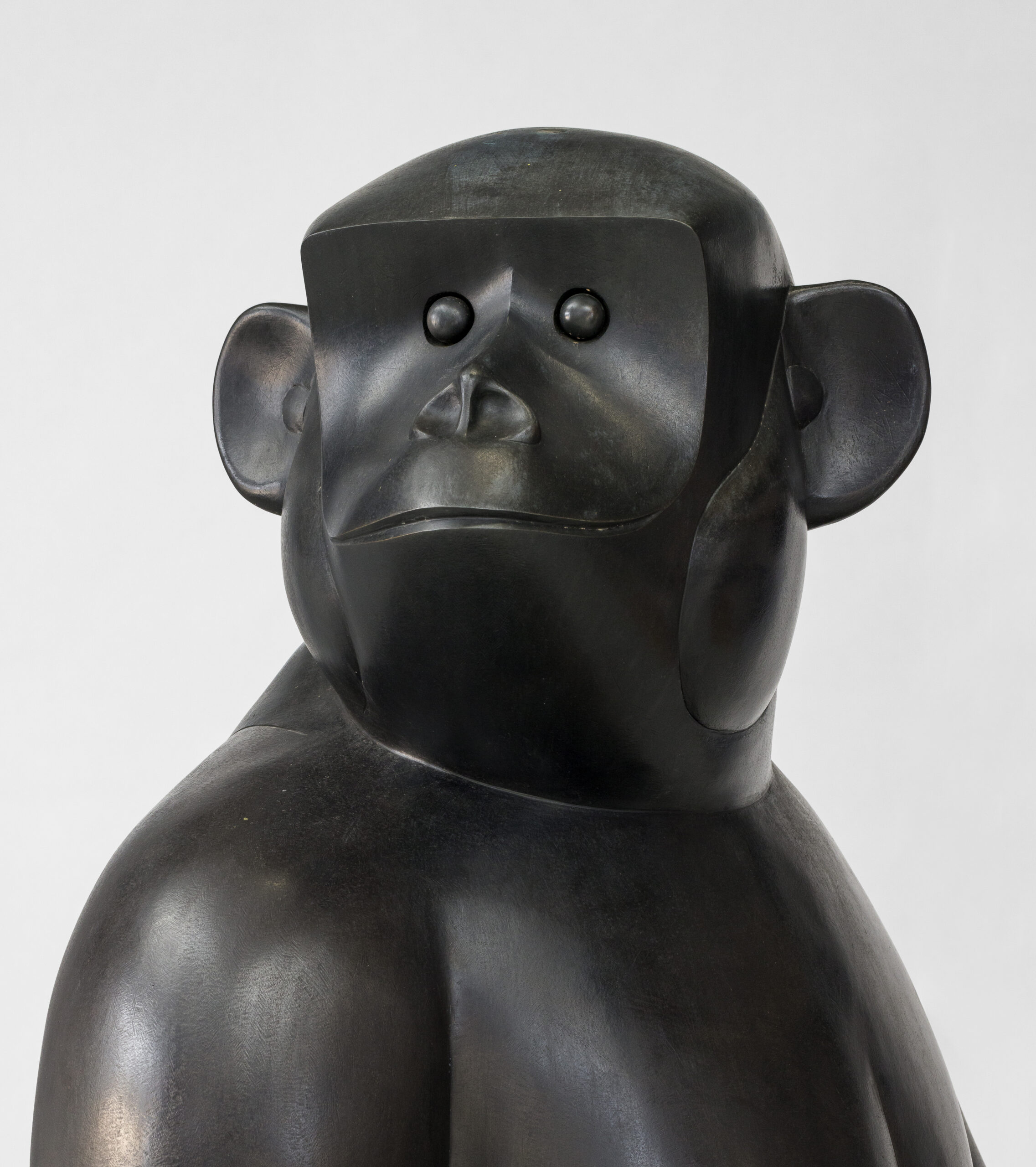
With the exhibition Animalia. Of animals and humans Heidi Horten Collection examines the multifaceted relationship between humans and animals through around 90 animal depictions from the 20th and 21st centuries. In art, this relational web manifests itself in a variety of forms of expression and shows its evolution over time. Thus, animal depictions reveal a structure that is equally characterized by proximity and mutual dependence as well as hierarchy and dominance.
The starting point for the discussion of this relationship is the collection of the museum founder Heidi Horten, in which animal depictions hold a special place. The exhibition is complemented by loaned works that offer a new perspective on the collection.
A central impetus for the exhibition is the term "Animalia", derived from biology. Derived from anima – breath or soul –, it refers, in the sense of the naturalist Carl von Linné (1707–1778), to an order that brings human beings and animals together on equal footing. Linné's model thus stands in contrast to the absolute boundary between human beings and animals – the so-called "anthropological difference". The hierarchy resulting from this separation, in which humans stand above animals, is critically questioned in the exhibition: "How does the human being position themselves in relation to the animal and how does their self-image define it? What cultural attributions, projections, and power relations emerge from this distinction? Art brings this ambivalent relationship to our attention," explains Director Verena Kaspar-Eisert the guiding questions of the exhibition.


The biological equivalence of Linnaeus’ model is opposed to a culturally deeply rooted way of thinking and acting in which humans are superior to animals and assign them ambivalent roles. The exhibition makes this tension tangible from an art and cultural history perspective.
The curators Véronique Abpurg and Annkathrin Weber also address the question of what representations of the animal tell about humans: "Animals permeate art history in countless ways: as symbols and allegories, in depictions of companions or images of threat, as objects of fiction and science. In these representations of the animal, images of the human self are always also articulated; they reveal his ideals and values, his needs and desires."."
In six chapters and through various media expressions ranging from painting to sculpture to video, the exhibition spans the spectrum from idealization of the "best friend of man" to the anthropomorphization and objectification of the animal, to its appropriation and exploitation.
The animal as a partner With works by Alois Mosbacher, Maria Legat, Anna Jermolaewa or Edgar Honetschläger, it deals with the ambivalent relationships to domesticated animals. Dogs, horses or cats appear in the tension between the importance of companions and pets on the one hand, and working and useful animals on the other hand.
The animal as a resource Thematically, it addresses the utilization of animal bodies. Works by Dominika Bednarsky reflect on industrial animal husbandry, while works by Corinne Rusch or Mark Dion, on the other hand, refer to practices in which animals appear as products of colonial expansion, such as in zoos. A reference point here is John Berger’s essay. Why Look at Animals? (1977), which describes the progressive disappearance of the animal from the immediate living environment of humans and how, as a result of industrialization, urbanization, and consumer culture, animals increasingly become products and projections.
The animal as a mirror of the self shows how animals act in the context of emancipatory strategies or designs of malleable identity. In works by Birgit Jürgenssen or Gülsün Karamustafa, animal metamorphoses become an instrument of feminist self-empowerment and deconstruct stereotypical role models.
The animal as a scientific category The human endeavor to order and classify nature is illuminated by the works of Mark Dion, Gelatin, and Constantin Luser. These works make the classification of living beings into hierarchical groups visible as a cultural practice and simultaneously counterpoint it.
The animal as a beast It examines the cultural encoding of the animal as an embodiment of evil and simultaneously points to humans as the only living beings capable of evil. Thus, contemporary interpretations of the Christian-inspired iconography of the snake by Michèle Pagel or Selva de Carvalho reveal the evil in connection with political and patriarchal structures.
The independent animal Animals are brought into focus as autonomous subjects. Posthumanist positions question the notion of the animal as a deficit counterpart to humans. Thus, works by Sanna Kannisto, Kay Walkowiak or the interspecies collective CMUK (horns/ant fingers with their grunion Clara and Karl) show animals as co-determining actors whose scope of action is not predetermined by humans. The exhibition opens in this final chapter with an intellectual experiment – beyond a common biological category appears Animalia as a possible principle of a life model that understands animals as companions and partners.
The contemporary art trail is expanded by the thematic inclusion of the museum’s Tea Room, which, in an allusion to historical art and cabinets of curiosities, houses around 80 animal representations from the collections of the museum from the 17th to the 20th century. This dialogue between the past and the present makes clear how deeply animal representations are embedded in artistic expression – and how much they are also in a state of constant change.
Artists of the exhibitionKarel Appel, Cory Arcangel, Miquel Barceló, Georg Baselitz, Dominika Bednarsky, Cosima von Bonin, Rembrandt Bugatti, Marc Chagall, Selva de Carvalho, George Condo, Mark Dion, Jean Dufy, Gerhart Frankl, Helene Funke, Matthias Garff, August Gaul, Gelatin, Flaka Haliti, Lena Henke, Damien Hirst, Edgar Honetschläger, Hörner/Antlfinger, Anna Jermolaewa, Birgit Jürgenssen, Sanna Kannisto, Gülsün Karamustafa, Erika Giovanna Klien, Gustav Klimt, Stanislaw Kubicki, François-Xavier Lalanne, Maria Lassnig, Maria Legat, Fernand Léger, Roy Lichtenstein, Angelika Loderer, Constantin Luser, Franz Marc, Lili Reynaud-Dewar, Corinne L. Rusch, Kristof Santy, Anne Speier, Margherita Spiluttini, Curt Stenvert, Melanie Thöni, Philipp Timischl, Wilhelm Trübner, Not Vital, Raphaela Vogel, Kay Walkowiak, Andy Warhol.
Exhibition catalogue Animalia. Encounters from A to ZThe catalog, designed as a multi-voiced compendium, translates the contents of the exhibition into an animal ABC and collects terms, motifs, and figures of thought on the relationship between animals and humans. Published by VfmK Verlag für moderne Kunst GmbH, Hg. Verena Kaspar-Eisert, Véronique Abpurg; authors: Véronique Abpurg, Johanna Eder, Suzanne Enser-Ryan, Rolf H. Johannsen, Verena Kaspar-Eisert, Ivana Novoselac, Annkathrin Weber, Susanne Wögerbauer.
Animalia. Of animals and humans, Animal Representations in Art. Heidi Horten Collection, March 27 – August 30, 2026.
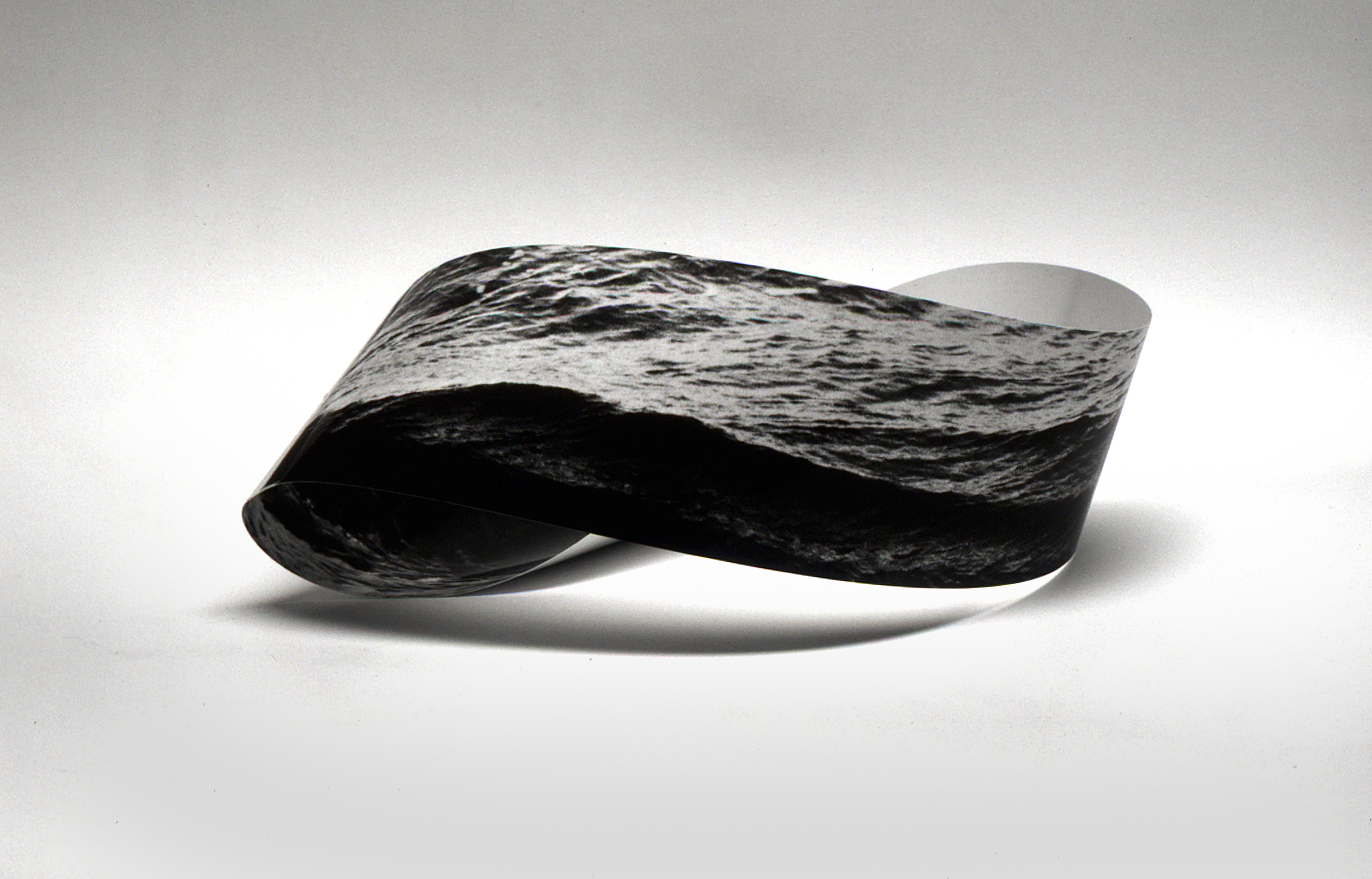
Dörte Eißfeldts experimentelle Fotografie und ihre Ausstellung Archipelago bei C/O Berlin.
 10 min read
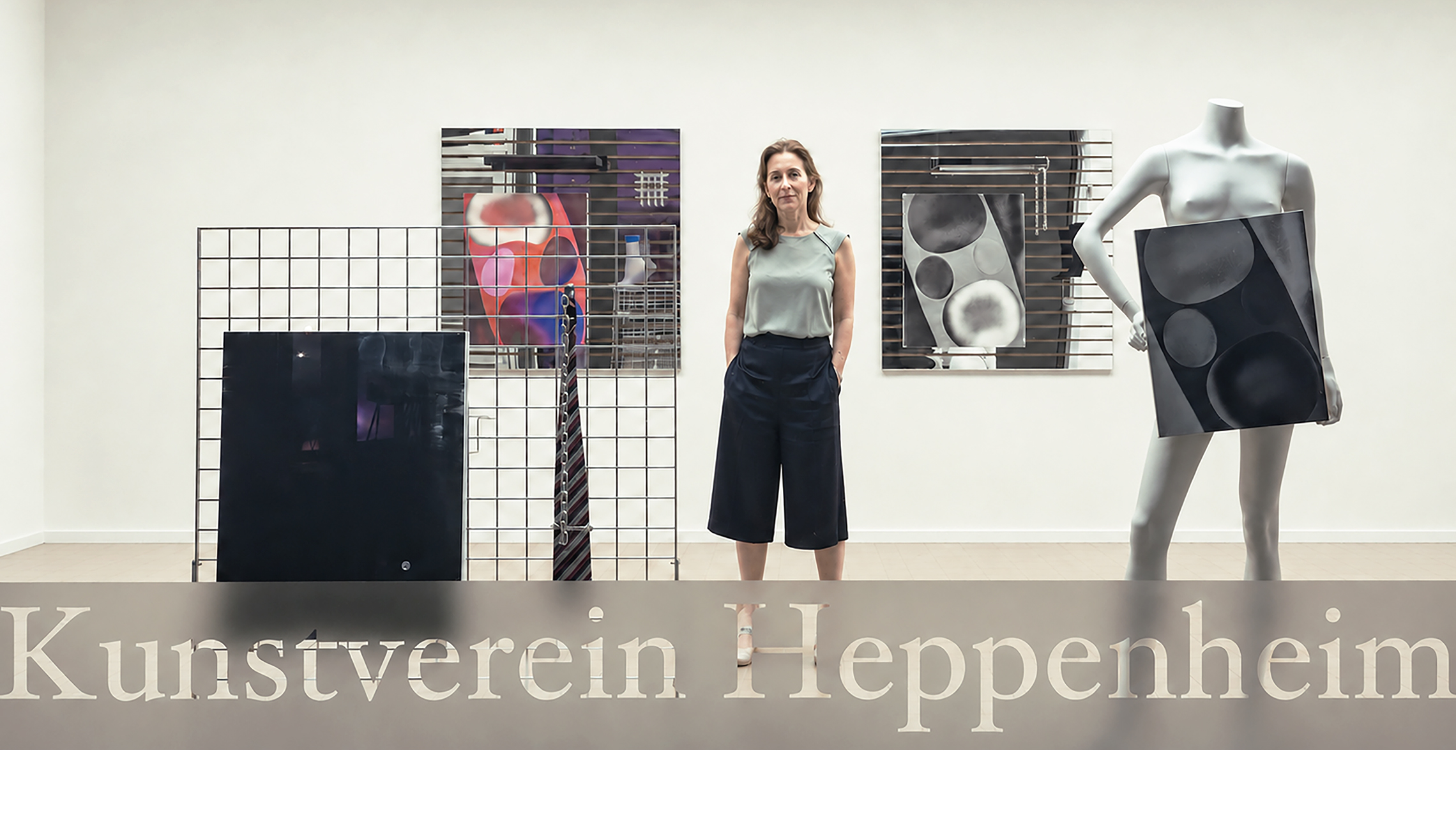
The exhibition "Six Five Four Three Two" featuring works by the New York-based artist Josephine Meckseper at the Heppenheim Art Society.
 9 min read
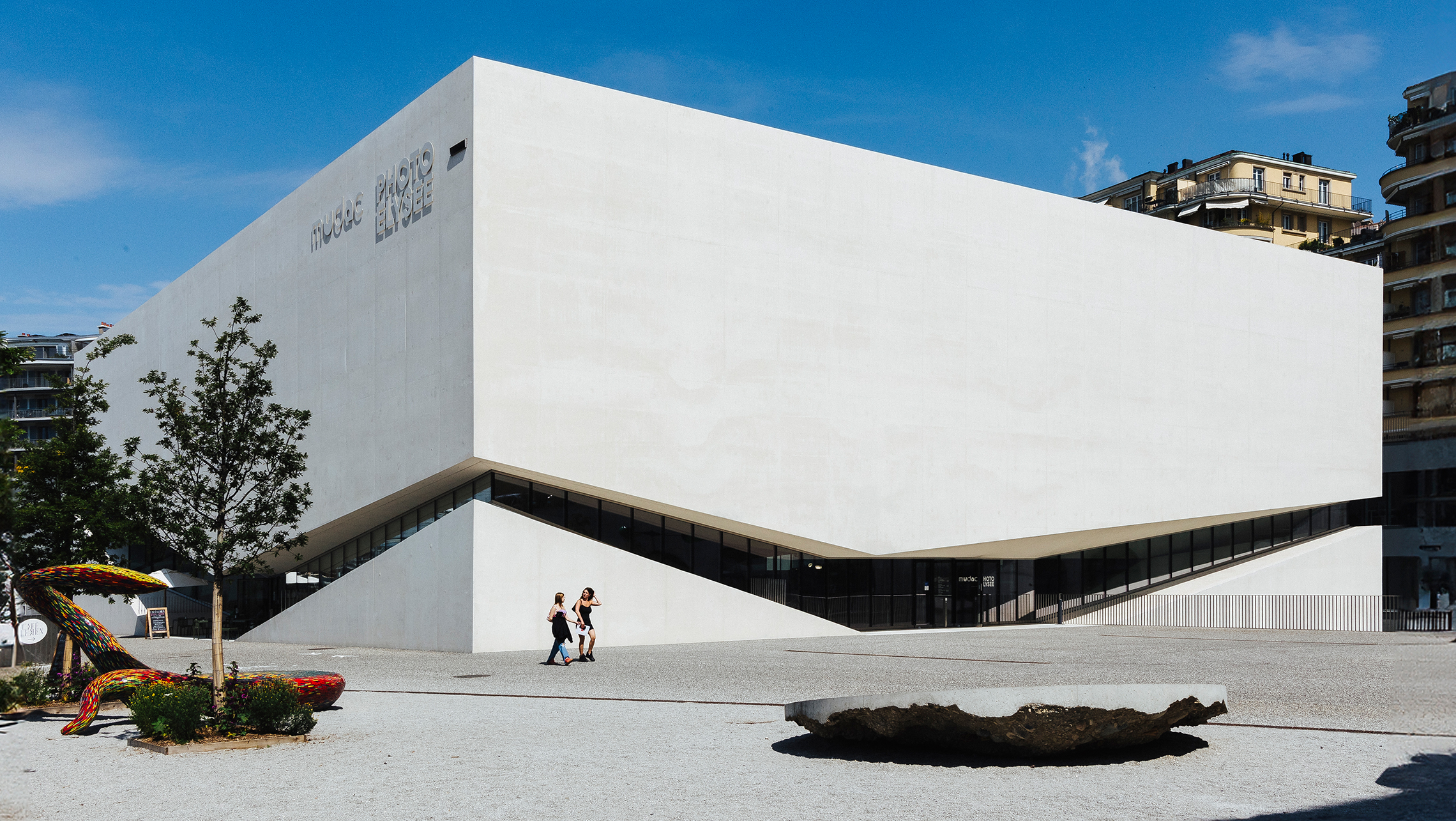
In the new premises of Plateforme 10 in Lausanne, the Photo Elysée Museum can finally unfold its potential.
 12 min read