 10 min read
 10 min read
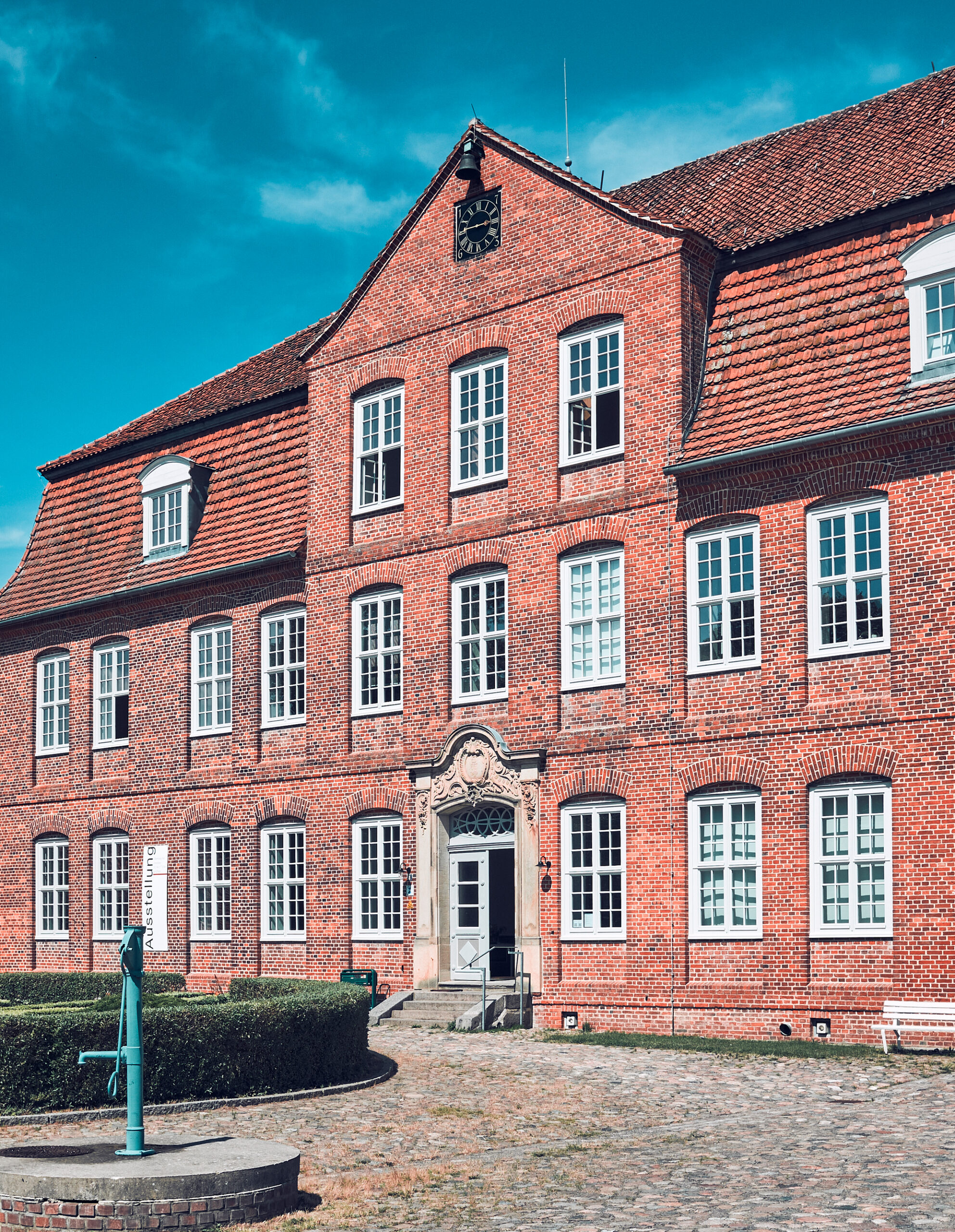
It was a few years before the turn of the century when the artist Udo Rathke bought the manor house. Schloss Plüschow in the town of the same name in Mecklenburg, he discovered and soon began to live and work there. Miro Zahra, who, like Rathke in the 1980s, worked in the Art College Berlin-Weißensee Studied at this manor house and learned that it also had a functioning lithography press – not only a tool for art prints in the midst of the German Democratic Republic, but also to reproduce, for example, critical texts. Together with other Berlin classmates, Zahra took the train to Plüschow, took the footpath through the forest to the castle – and stayed.
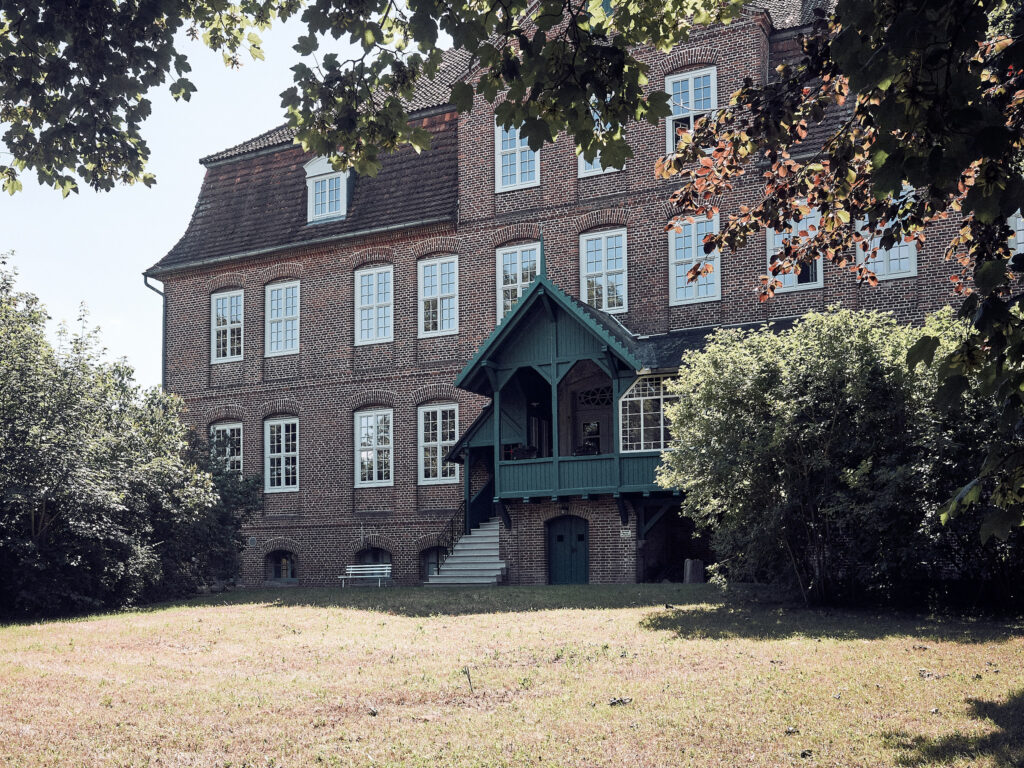
The first artist ateliers gradually emerged in the building that had been built in 1763 by the Hamburg merchant Phillip Heinrich von Stenglin and which then passed into the possession of the grand ducal family of the Mecklenburg-Prussian prince Friedrich Ludwig for over a century. Like many manor houses, this one was also used for other purposes after 1945 – after the expropriation of land from landowners in the Soviet occupation zone, which was referred to as the land reform – such as as a place of accommodation or for everyday and municipal needs; and with them, Schloss Plüschow itself also underwent a series of processes of gradual destruction.
The decision to move from East Berlin to the Mecklenburg region meant a step towards freedom for Udo Rathke and Miro Zahra and other like-minded artists during the GDR era. In 1988, Rathke and Zahra founded Northwest the first exhibition at Schloss Plüschow. It was intended to be a prelude to the founding of an artists' house, which has been the only free institution for promoting artists in Mecklenburg-Vorpommern since 1990.
With the founding of the association Fundraising Circle of Schloss Plüschow In the year of German-German reunification, the renovation process of the house also began, but from the very beginning the Künstlerhaus was "an intercultural place for working with the aim of creating workspaces for artists": as Miro Zahra reports, this included preserving or restoring the building's original structure, offering simply equipped studio spaces for temporary rental, and awarding residence grants to artists from all over the world.
"It has been important to us from the very beginning to keep everything open: the house with its five large living spaces and the exhibition space on the ground floor, but also the opportunity to create a place for conversations between the artists working here and with the people of this region. We have also been connected with other artist houses internationally from the very beginning, offering exchange programs in the form of travel grants. For a few years now, we have even organized the Young Artists Award for Fine Arts in Mecklenburg-Vorpommern art. Art offers a way to communicate between people of different origins, languages, and cultures. That is why we are dedicated to contemporary fine art, and there are no compromises. We want to provide space for thought," says the director of the artist house, Miro Zahra. Every year since the founding of the artist house, up to five residency grants have been awarded, which can be spent at Schloss Plüschow during the quiet winter months between October and December. Every two years in the summer, an exhibition is held that presents the works of the artists from two grant years.
Your traces are the path – Art as a process The title of that presentation, which currently brings together works by the scholarship holders of the years 2021 and 2022, is: "The Artists of the Year 2022". This summer, works by Karina Kueffner, Sasha Koura, Javkhlan Ariunbold, Lucrezia Zanardi, Taeeun Kim, Hee Seo, Julia Pietschmann, Friederike Haug, Lucila Pacheco Dehne and Cecilia Cissi Hultman can be seen; these works offered an opportunity for conversations with the artists during the opening of the exhibition. In these conversations, I explored the question of how the artists experienced the three months in the manor house and the rural region and what experiences they gained that were beneficial for them and their work between the city and the countryside.
The landscape is vast; the path to the artist’s house leads by car through fields, with winding side roads leading to the avenue to the manor house – or, from the single-track railway station of Plüschow, on foot through a wooded area with mighty and ancient trees, over a bridge to the castle, from where one can also soon see the porch that connects to the building on the rear side.
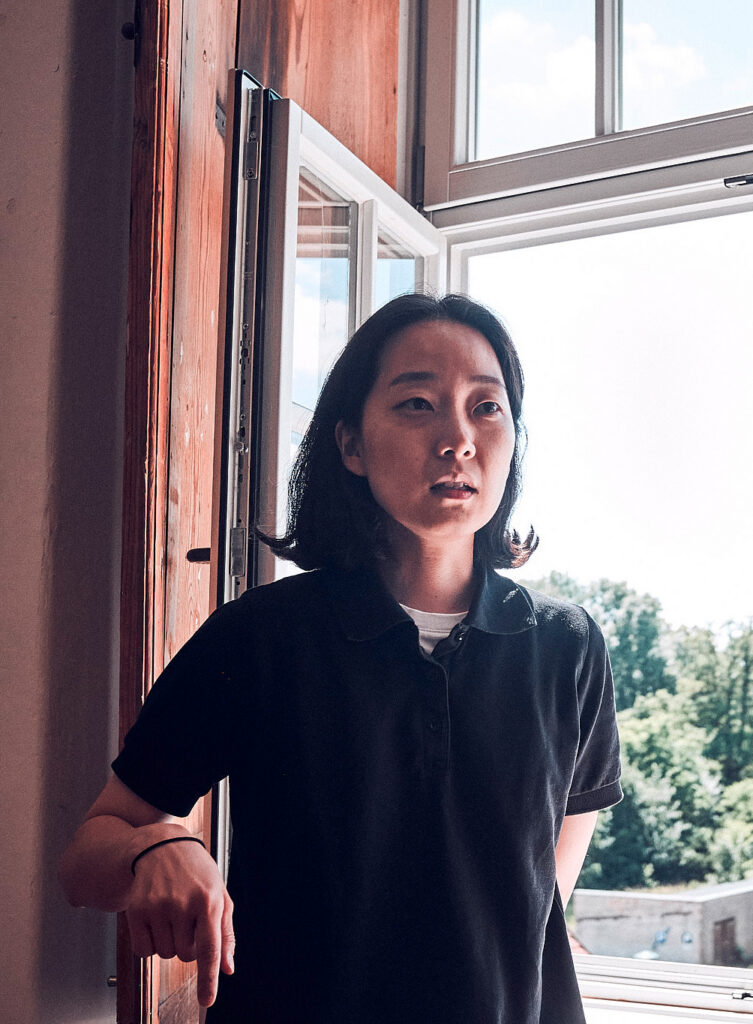
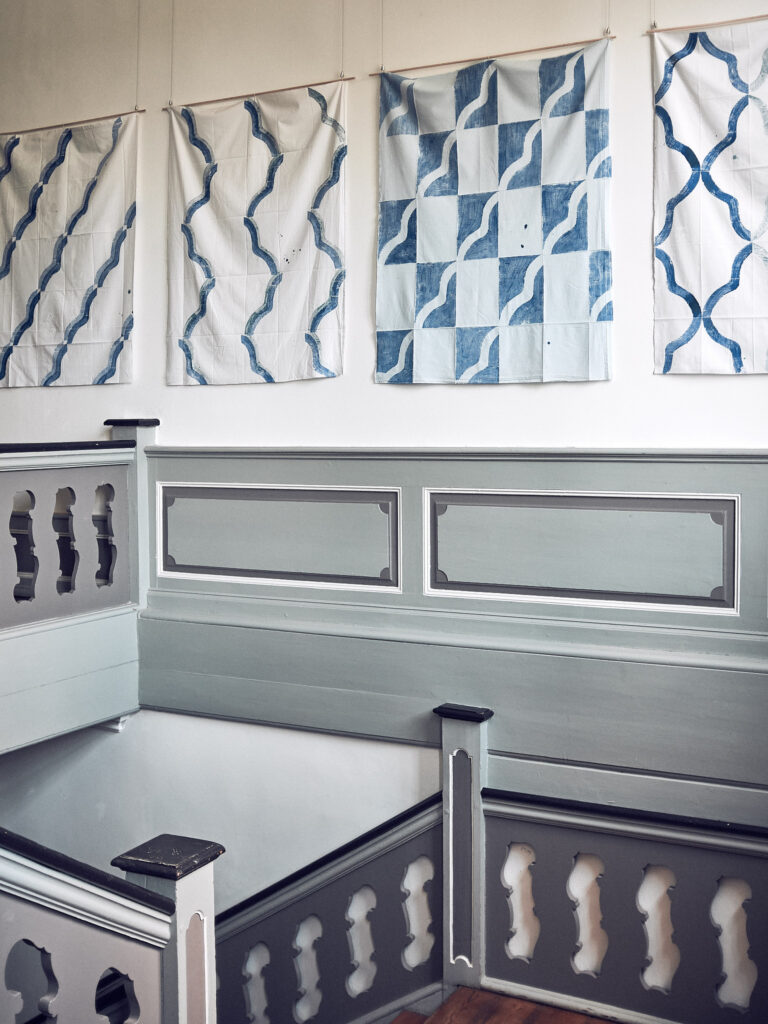
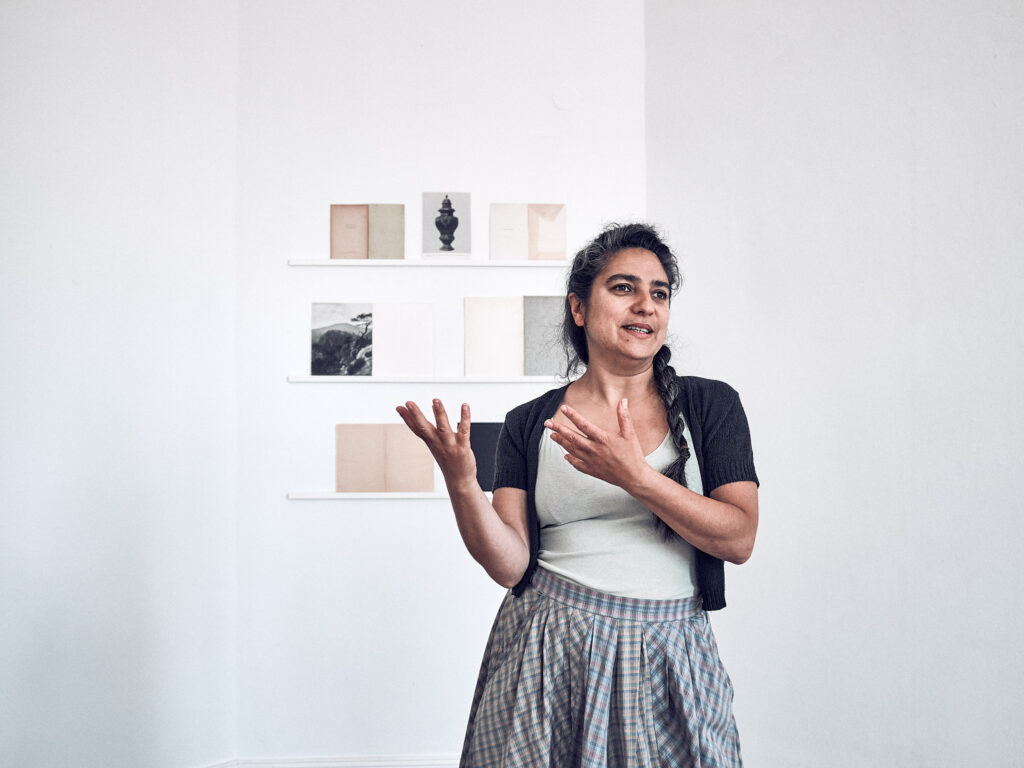
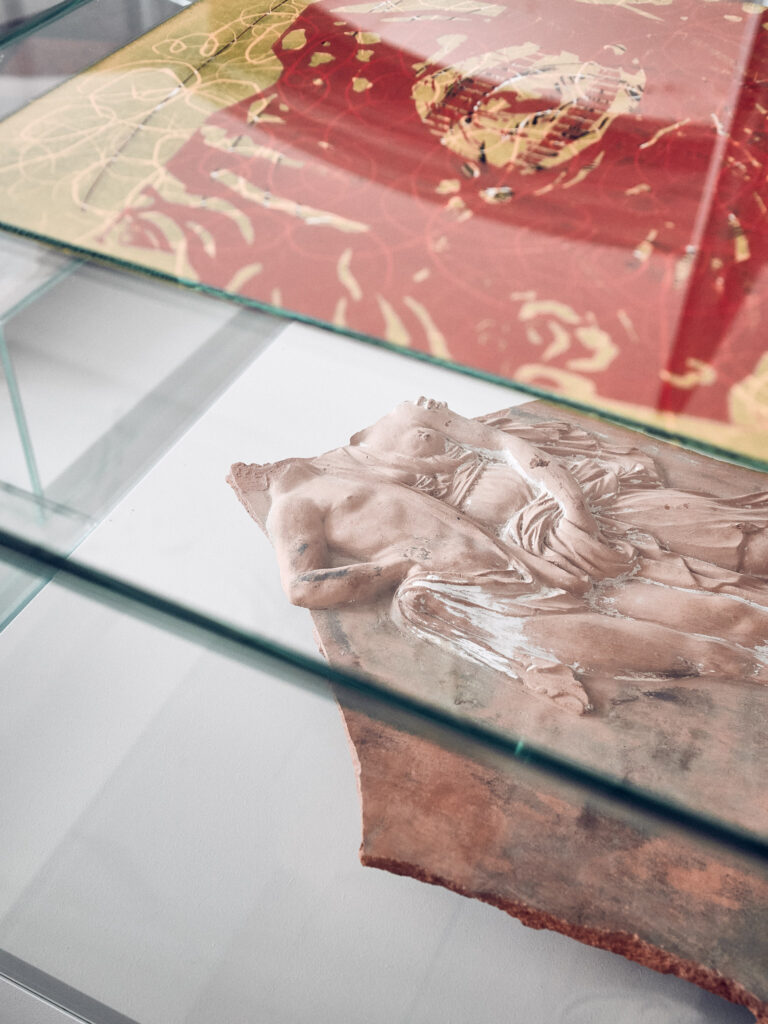
That Schloss Plüschow is in a representative and especially usable condition is thanks to the commitment of Udo Rathke and Miro Zahra. "A lot has already happened in this manor house; it has a huge history," says Friederike Haug (born in 1987 in Dieburg). "That is why I consciously exhibit my works in those rooms on the ground floor that tell this story. The house is a social structure: After the Second World War, displaced people lived here; it was a post office, a pub – a woman even lived in these rooms until just a few years ago, so parallel to the construction of the artist house, right in these rooms where the permanent exhibition on the history of Schloss Plüschow is now on display." The artist living in Düsseldorf sits right next to the historical dial of the former castle clock while we are talking to each other. She says: "My woodcuts and sound works are put into dialogue with objects like these."
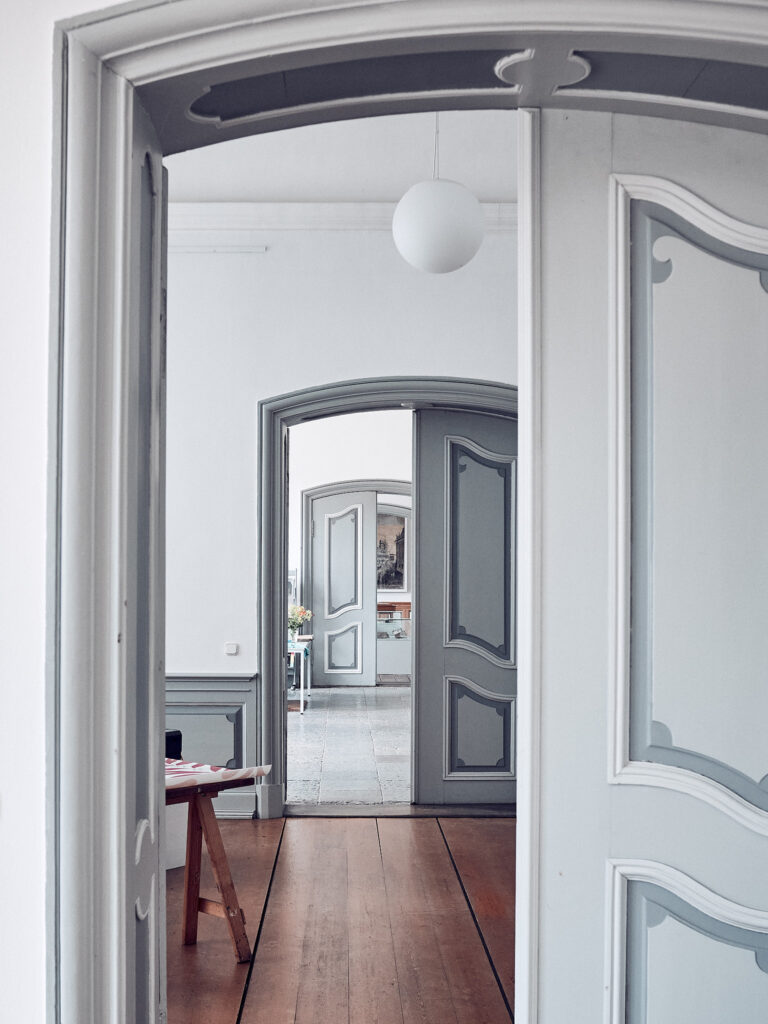
The exhibition space, which includes, for example, one of the remaining fabric tapestries from the time of Friedrich Ludwig and his wife Helena, is joined by the exhibition space for contemporary art. However, this time the artists’ work is also presented through the impressive staircase with Rococo-style ceilings, which leads up to the attic in one of the studios. The living studios are simply furnished and generously sized. Most of them are located on the representative middle floor of the house. Two of them are connected by a shared bathroom, but each is equipped with its own kitchen.
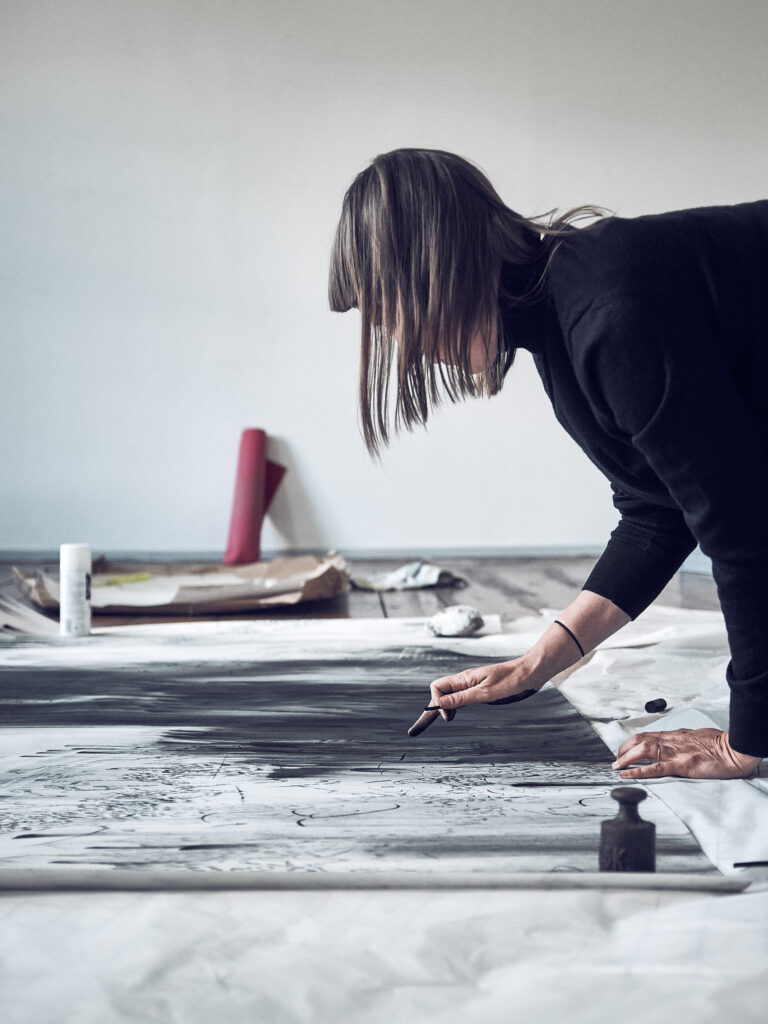
"Having so much space to work in has completely encouraged me to approach large-format in my charcoal drawings – a real quantum leap for my work," tells Julia Pietschmann (born in Neubrandenburg in 1987), who lives in Berlin. "I have now found a larger studio in Berlin, which is admittedly not very easy. I made the decision to work in large format at Schloss Plüschow. I also spent a lot of time driving around the surrounding countryside, at the lake and on the Baltic Sea, and I was able to incorporate what I saw into my drawings, which deal with the subject of landscape."
For Hee Seo, who was born in 1988 in Seoul and received the scholarship after a change of study from Braunschweig to Berlin, the size and freedom of the studios also led to a substantive discussion about space: "I have thought a lot about space as such, about the temporary. Here I expanded my working method from the object to the space, to the installation. Nature space was also crucial to me. In Korea, where I was born, I was a city person. I really enjoyed the peace and quiet here in the countryside, especially to be able to immediately and concentratively implement ideas and to think deeply." Pietschmann agrees: "I also like the peace and quiet, the concentration in isolation. That is why I specifically seek places or residencies like these."
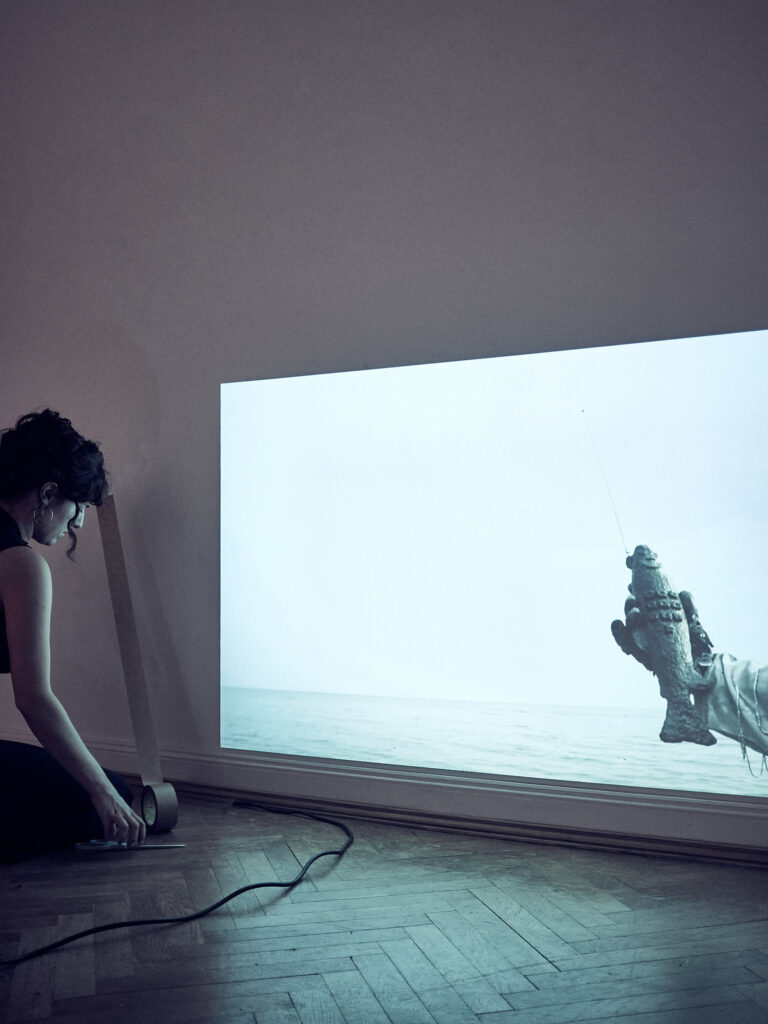
Lucila Pacheco Dehne (born in Berlin in 1994), who lives in Hannover, adds: "Experiencing the nearby sea or fields where life is created and grows – these are the real advantages for my sculptures and video installations. It was very valuable for me that this scholarship allowed me to try new things. There is room for exploration. These are the most valuable moments one has as an artist."
In my conversations with the artists, it is increasingly clear that it is not only the experience of the studio space for individual work that they value, but also the communal space that can be experienced and created together. Because there are only a few scholarships awarded per year, the groups are small, and this makes it easier to engage in discussions about the respective artistic work together.
"Sasha, Taeeun, Javkhlan, Karina and I completed the residence grant during the pandemic," tells Lucrezia Zanardi (born in 1994 in Bologna). "Since the summer of 2020, in my artistic and scientific work, I have been dealing with the Edith Stein Archive in Cologne. During the pandemic and the lockdown, it was very difficult for me – as for many others – to be able to work in the archive or even in public spaces. This residence grant therefore offered me at that time the opportunity to work with the materials I had collected in a real open space, to research, to develop ideas, and especially to exchange with the other scholarship holders."
Sasha Koura (born in London in 1970) confirms: "I have really appreciated being part of this artist colony for a while. I have learned a lot from the exchange among each other. But I have also felt contradictions in this place: Everything goes slowly and quickly, everything is temporary and permanent. This has really encouraged me in implementing my project idea, which I came up with after Plüschow. I use materials that are part of a cycle, mainly paper and books. The edition created here …of silence and slow time (2021–2023) aims to inspire the viewers through various maps to develop a similar practice of sustainable utilization themselves."
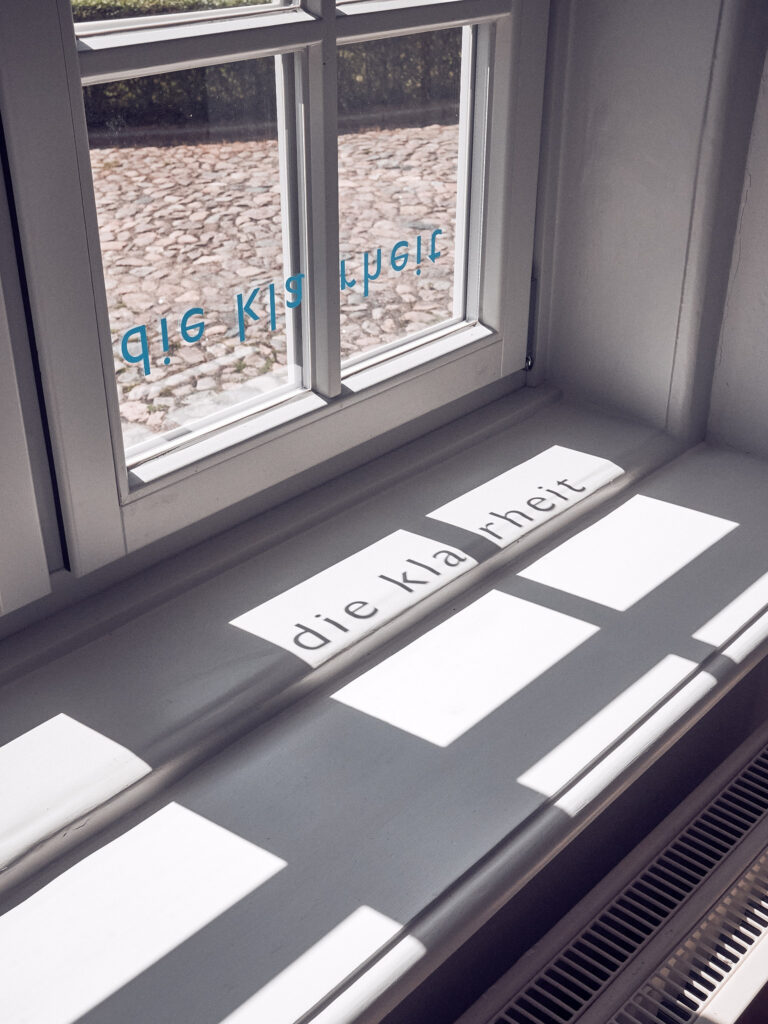
The lettering work is on one of the windows in the exhibition area. the clarity (2023) by Cecilia Cissi Hultman (born 1985 in Sundsvall), attached to the architecture. Only through the light of the early morning sun does the mirrored text on the window sill of Schloss Plüschow become readable. Fragile in its formation, yet concise in its formulation, it symbolically evokes what has also emerged from the exchange between the resident artists.
We are also continuing the discussions after the exhibition opening. For example, about the tensions that arise when, as a citizen of Plüschow, you learn that there is only one train per hour to the next place where you can buy groceries. That you have to organize yourself differently, indeed more cohesively, in everyday life. "That has a lot to do with a mindset," notes Lucila Pacheco Dehne.
For Udo Rathke, a native of Mecklenburg, and Miro Zahra, who came from Prague but spent her childhood in the countryside in Bohemia, the dichotomous question of whether they wanted to live in the city or in the countryside did not arise as artists who have been operating across borders for decades. They intended – and have – to create a cosmopolitan place for art.
We sit in the spacious garden of the Künstlerhaus until late into the evening. In the breaks for conversation, I notice how quiet it is outdoors here, and one intuitively understands what Miro Zahra and Udo Rathke have in mind for thinking under this space. It therefore comes as no surprise that the Mecklenburg Künstlerhaus Schloss Plüschow recently commissioned the ADKV-ART COLOGNE Prize for Art Societies has been nominated.
Your traces are the path – Art as a process, Scholarship recipients for 2021 and 2022, Mecklenburgisches Künstlerhaus Schloss Plüschow, Plüschow, 9 July to 20 August 2023.
Further articles from the series "Province or Metropolitan Area":
"What I have always been doing here, and have been doing from the very beginning, is photography!"Anne Schwalbe in Werben an der Elbe. The Berlin-born artist Anne Schwalbe has been traveling to Werben for the past 20 years and photographing landscapes: the Elbe river and the surrounding nature, gardens. A few years ago she bought an approximately 200-year-old vicarage in the smallest Hanseatic city on the Elbe, which she renovated and from which she has been photographing the river and the surrounding nature for the past 10 years…
Staying in motionChristiane Löhr lives in a hamlet in northern Tuscany. It was my firm conviction that Christiane Löhr lived in Prato from the moment we met. Prato, a city in the northwest of Florence, was once one of the centers of the Italian textile industry. Its remains are today occupied by more than twenty thousand Chinese exiles who come here from Paris and Milan to work in the third-largest…
"I can think not in terms of limits, but in terms of possibilities"A visit to Tilo Schulz in the Uckermark region It was in 2015 when the artist Tilo Schulz and his wife Sarah Johann, the handbag designer and owner of her own label, first traveled from Berlin to the village of Schönermark in the Uckermark region. A friend of theirs had just bought a house there, a friend of theirs, a…
World Heritage Site Völklinger Hütte: Spectacular Son-et-Lumière Art
 1 min read
The Kunstmuseen Krefeld are dedicating the first retrospective in Germany to Charlotte Perriand’s multifaceted and astonishingly contemporary work.
 7 min read
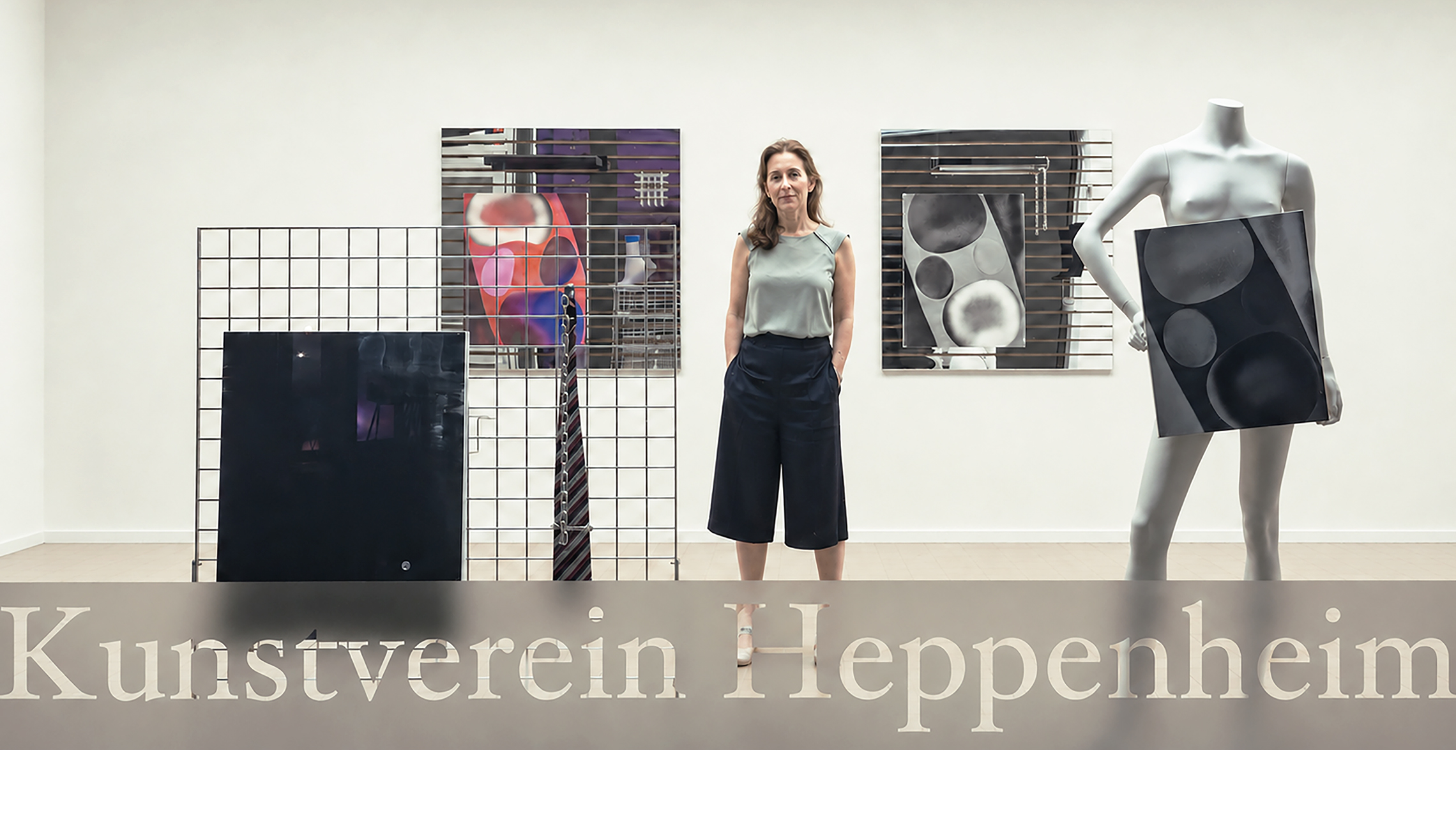
The exhibition "Six Five Four Three Two" featuring works by the New York-based artist Josephine Meckseper at the Heppenheim Art Society.
 9 min read